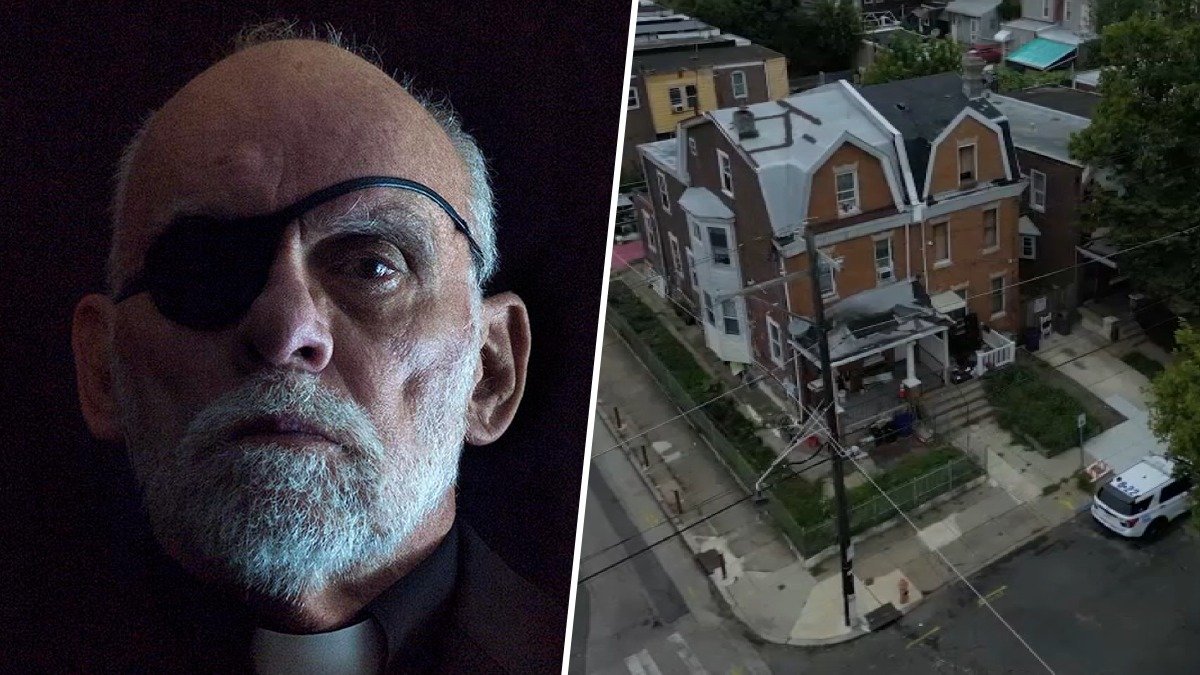
Two women who say they posed for photographer and filmmaker Raymond “R.C.” Horsch inside an Olney home now linked to at least seven missing women are sharing their experiences as investigators work to determine what may have happened within its walls.
Their interviews come as Philadelphia police and the FBI sift through more than one million photos and videos recovered from the property.
The women said they never felt threatened as they reconcile their own experiences with R.C. Horsch against the allegations and unanswered questions surrounding the case.
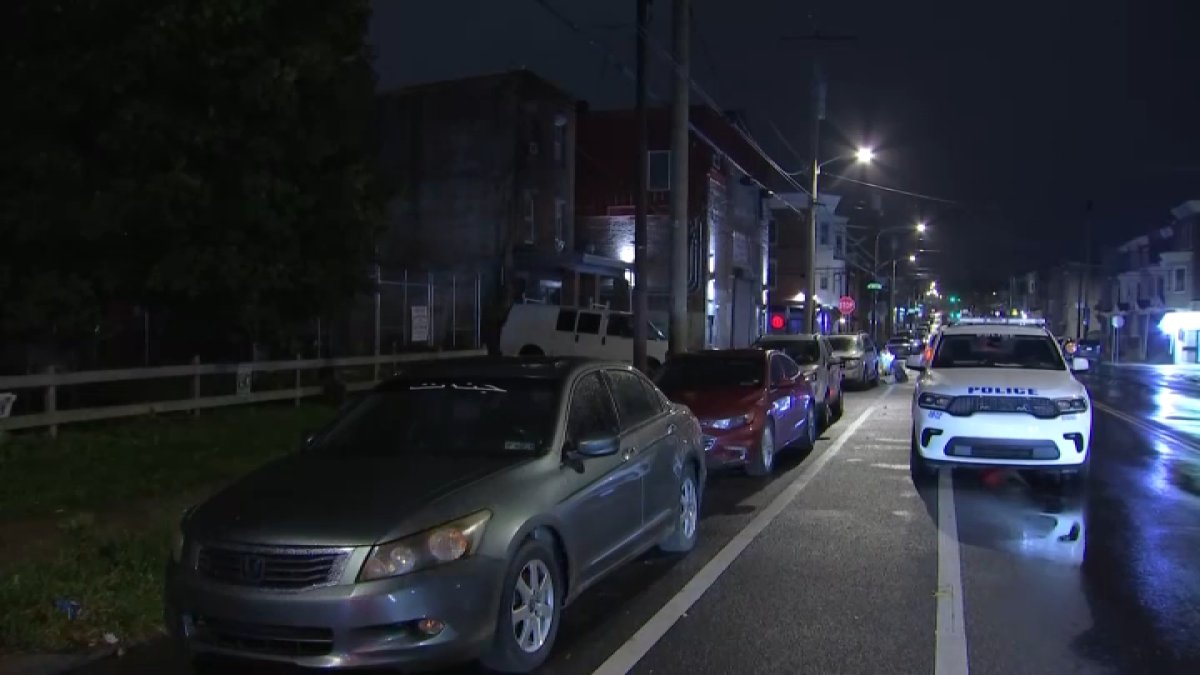
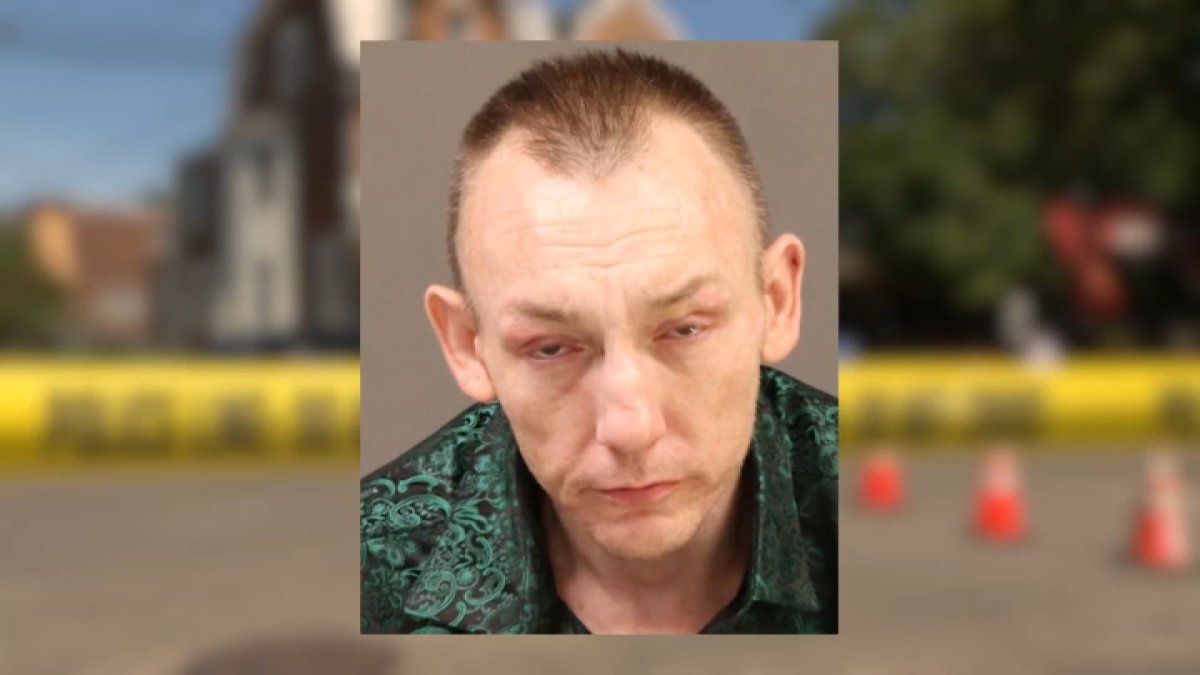
Their accounts provide a rare glimpse inside the home on West Chew Avenue that has become the focus of one of Philadelphia’s most unusual investigations in recent memory. Police first raided the house following the arrest of R.C. Horsch’s son, Eugene Horsch, after a traffic stop in June. The younger Horsch inherited the home, remains in federal custody and faces no charges connected to the missing women.
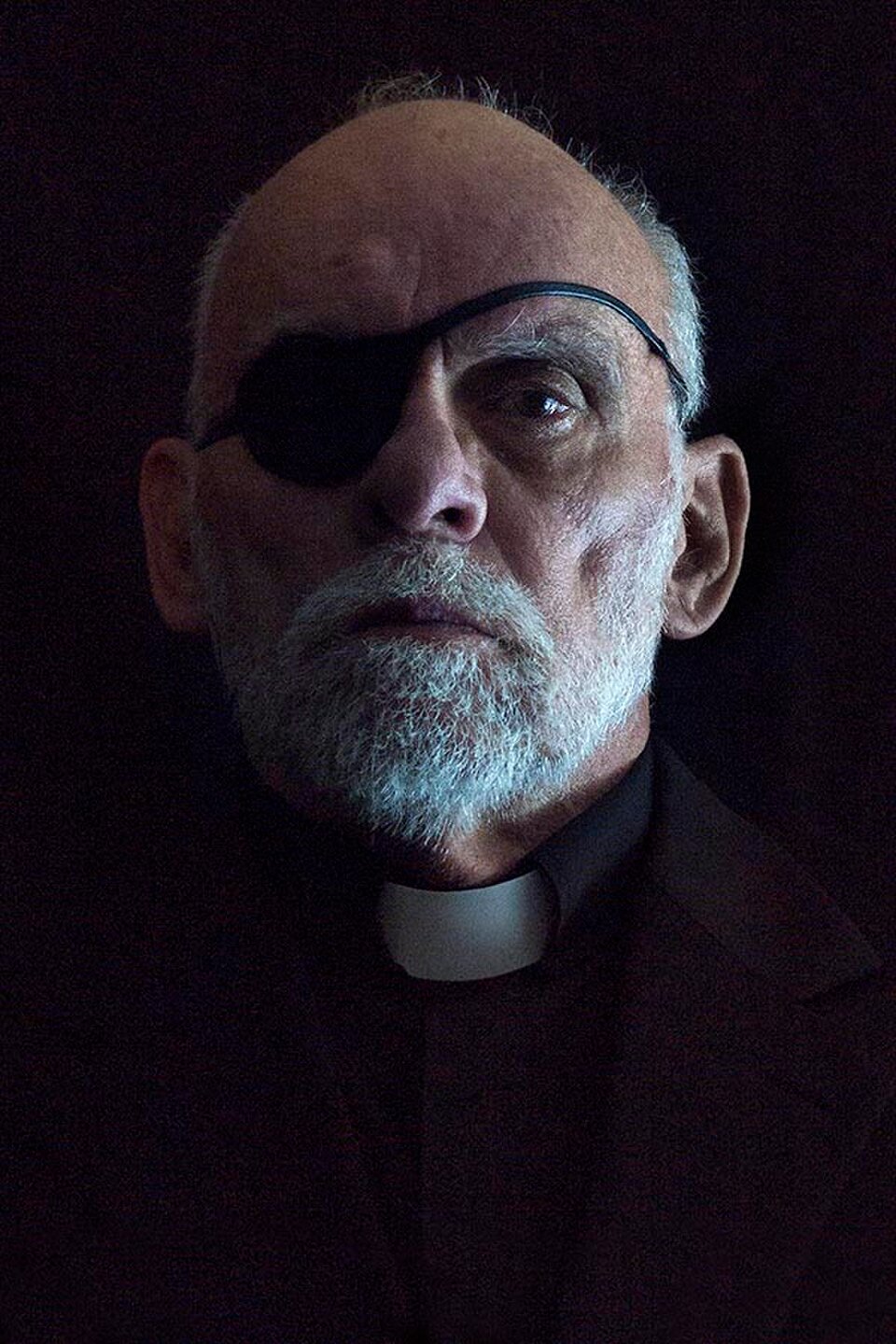
Police say they have connected at least seven missing women to the property and recovered more than one million photos and videos from inside the house. Investigators say all seven women appear in the files, and evidence developed so far has led them to believe five are no longer alive.
Determining whether the images depict fiction, performance or evidence of real crimes remains one of the central challenges of the case, investigators said.
“He was making movies,” Deputy Commissioner Frank Vanore said during a joint news conference last week about R.C. Horsch’s activities.
“Some of this is play-acting. Some of it we believe could be real, but we’re not there yet.”
The only creepy thing was the smell and then him telling me not to go in the basement. It kind of set off red flags. At that time, I just ignored it.
Cassandra Barone
No human remains have been recovered, and R.C. Horsch, who died in 2025 at age 82, was never charged in connection with any of the women’s disappearances.
In 2009, R.C. Horsch faced federal charges following a raid at his former home in Chalfont, Pennsylvania, where police located an illegal marijuana grow operation. A federal judge later sentenced R.C. Horsch to more than four years in prison and a five-year term of supervised release.
Records obtained by the NBC10 Investigators show R.C. Horsch was released from prison in 2013. It remains unclear when his supervised release ended.
‘I didn’t feel like I was in danger‘
One of the women, who asked to be identified only as Christy, said she was contacted by police this summer as part of the investigation. She met R.C. Horsch inside the house for a photo shoot in the late 2000s, she said. She believes she first met him in an AOL chatroom.
“I didn’t feel like I was in danger,” she said. “He talked very professional, like he knew what he was going to say or what he wanted.”
Christy said she posed for R.C. Horsch only once. She remembers him as someone who seemed professional and knew exactly what he wanted from a shoot.
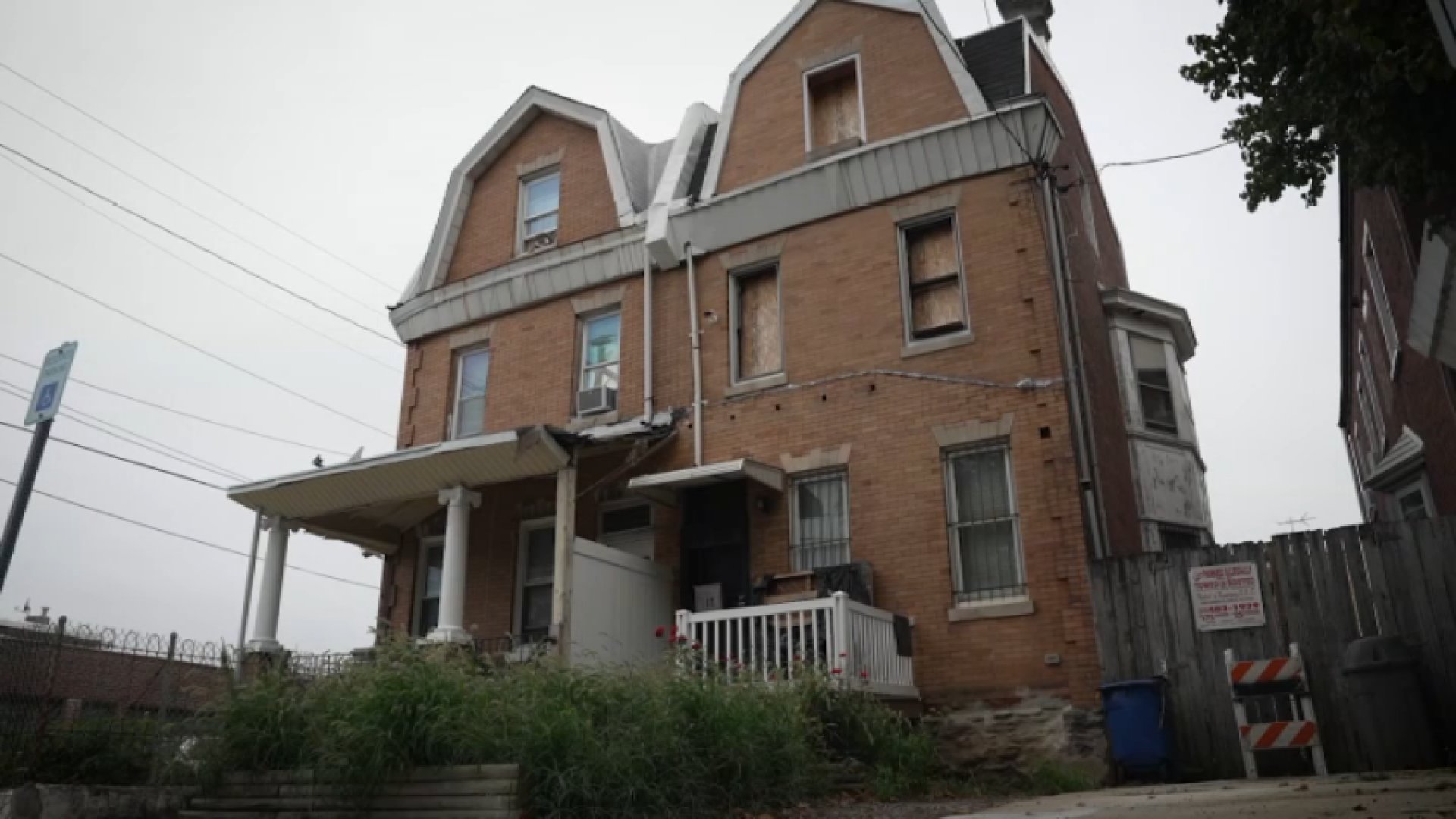
She recalled that R.C. Horsch wanted the photographs shot in black and white because he believed they had artistic value. She described the house as “moldy,” said it smelled like trash and remembered seeing a blond woman working in the kitchen.
Christy said R.C. Horsch also took her identification during the shoot. He never reached out again.
“He never contacted me again or anything like that,” she said. “I think either he knew, from hearing all these stories, maybe he couldn’t get to me, or I wasn’t the type he was looking for.”
‘I would have never suspected it’
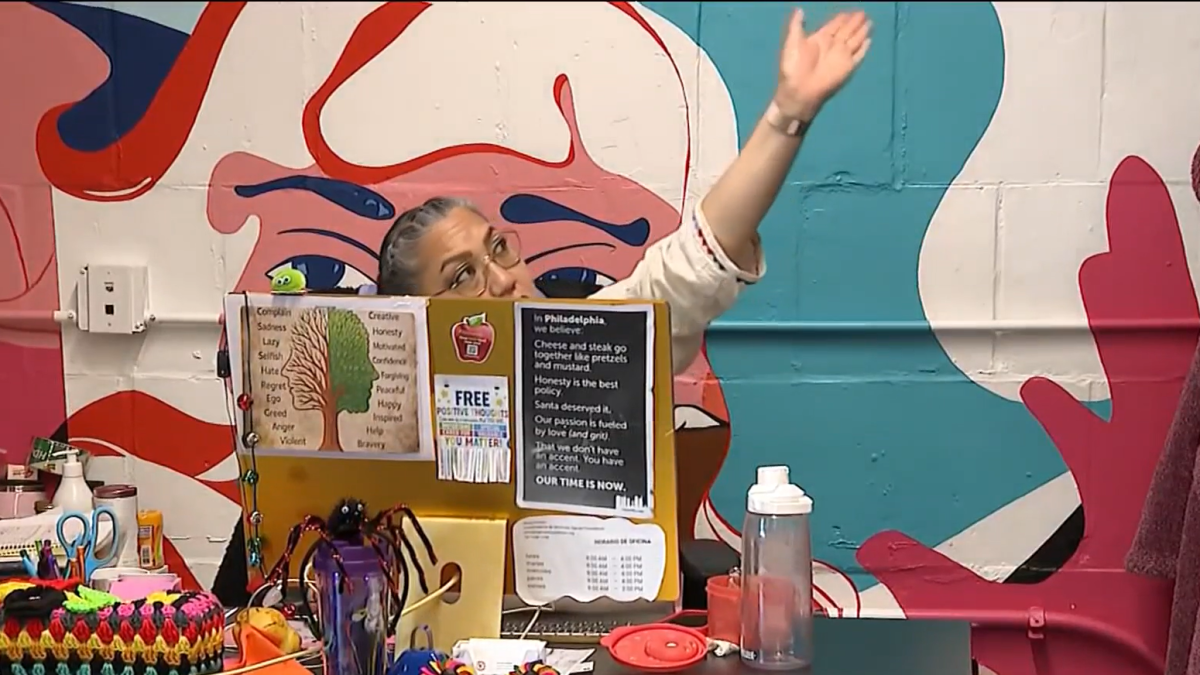
Another woman, Cassandra Barone, said she began working with R.C. Horsch in 2013 after he approached her in Kensington.
At the time, Barone said she was struggling with addiction and accepted offers to pose for photographs in exchange for money and a place to stay.
“There were weird things,” she said about the Chew Avenue property. “The house had a weird smell, and he was very awkward, socially awkward.”
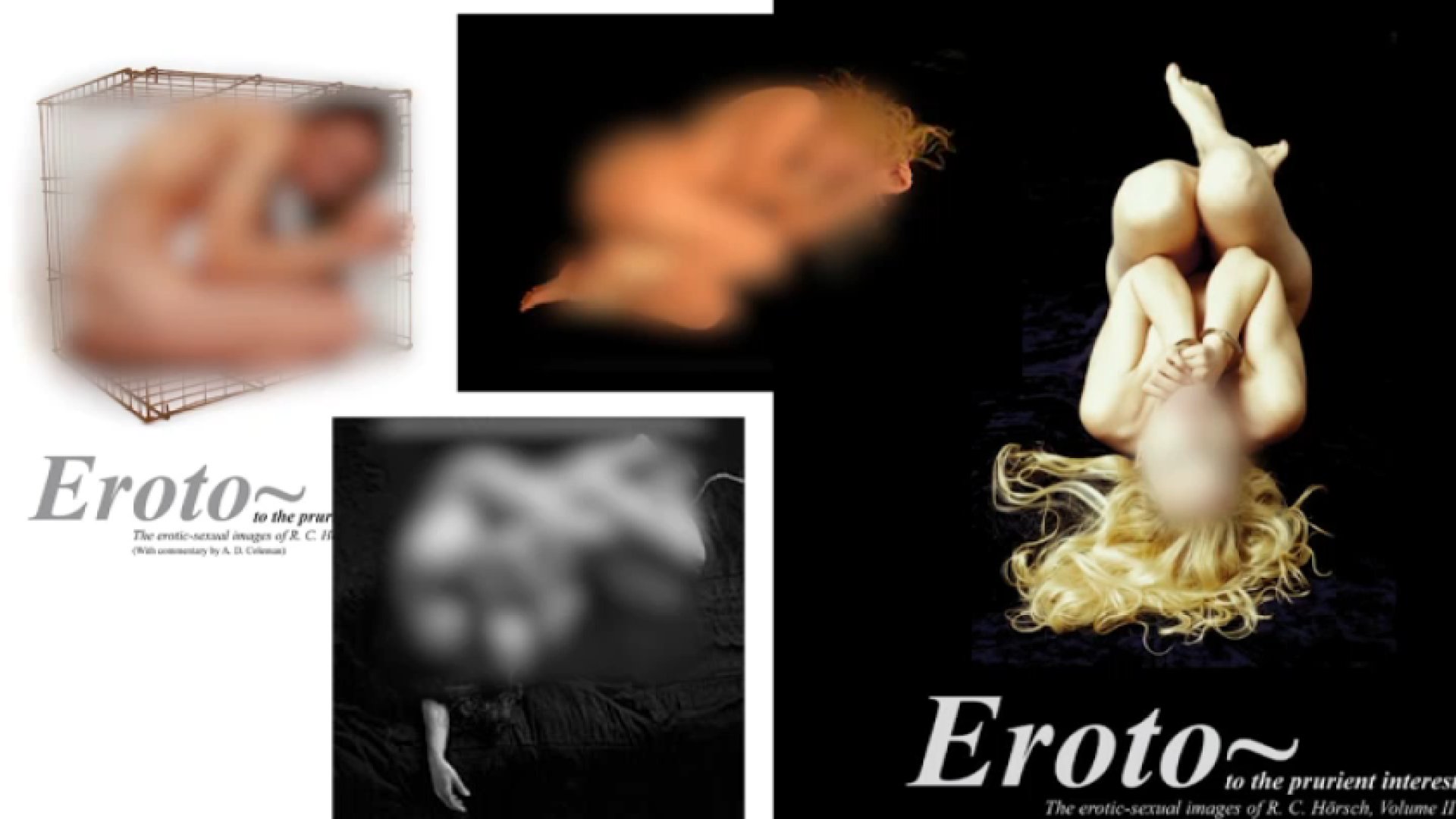
Barone said many of the photo shoots involved themes of violence, death and erotica.
“Pictures were like fake blood and handcuffs around the throat. Death scenes mixed with erotica,” she said.
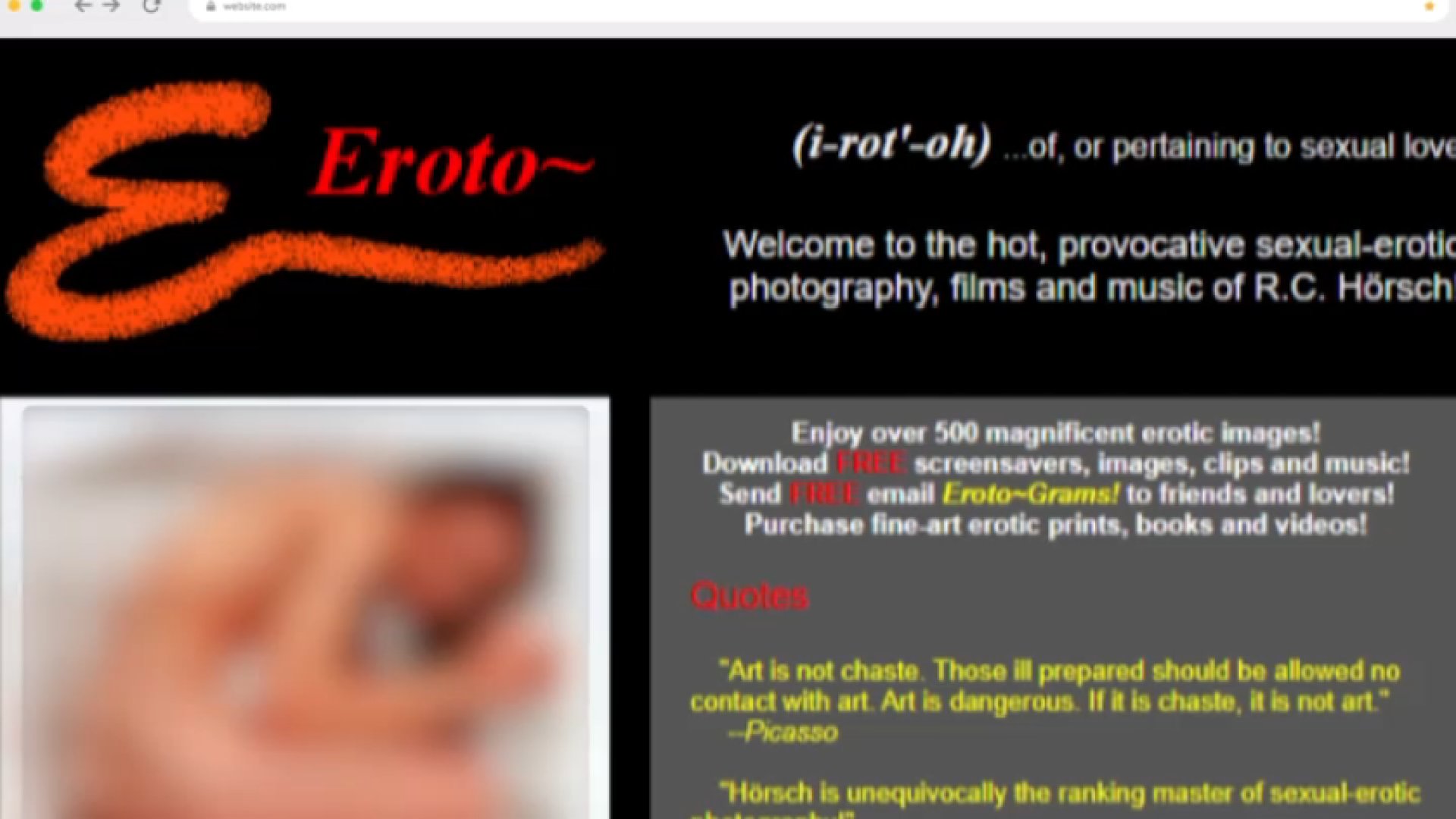
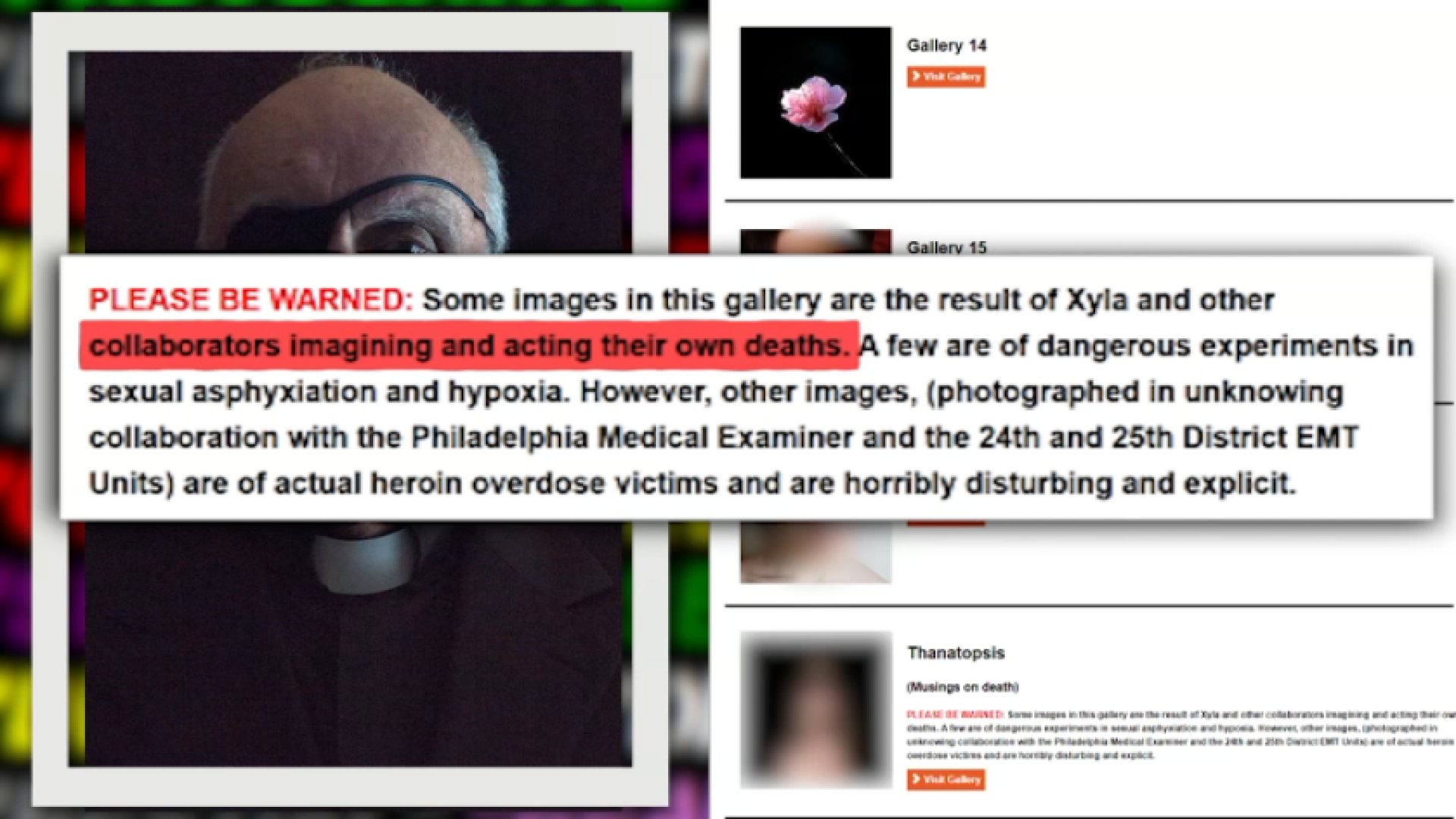
Some of those images later appeared on a now-defunct website operated by R.C. Horsch. Archived versions of the website reviewed by the NBC10 Investigators show women depicted in scenes involving sex, violence and death. On the website, R.C. Horsch described the projects as artistic depictions and wrote that the women were “imagining and acting their own deaths.”
Barone appeared in at least one of R.C. Horsch’s movies, a 2016 film titled “Deleted Scenes: A Serial Killer’s Video Journal.” Barone said she does not remember filming the scenes, but later saw a photo of herself in the film online.
Despite the disturbing imagery, Barone said R.C. Horsch never made her uncomfortable.

“It wasn’t that weird. And he didn’t push me,” she said. “He didn’t ask me to do anything I wasn’t comfortable with. I would have never suspected it because he cooked for me,” she said. “He would wash and clean my clothes.”
The 7 missing women
Police said seven missing women have been connected to the house over a span of more than a decade.
Gabrielle Amarando was in her early 20s when she disappeared in 2012. In a Facebook post, her mother said Amarando suffered from “a drug addiction that she couldn’t escape.” Citing digital evidence, police believe Amarando is deceased.
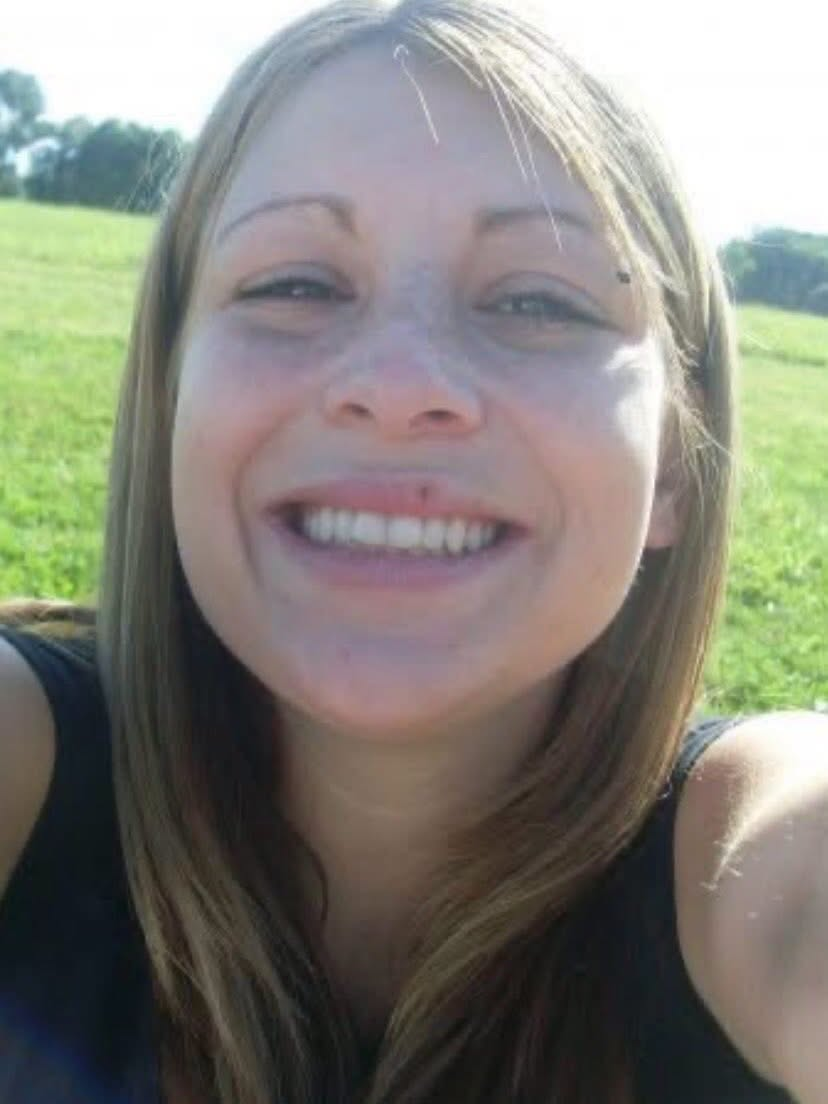
Maribel Fresses was in her early 20s when she was reported missing in 2018.
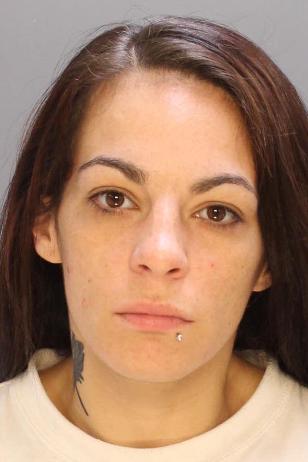
“My first reaction was pure shock,” her brother, Dawson Fresses, told NBC10. “It’s been eight years since I’ve seen her. Hearing that, I just couldn’t believe it. I had gotten to the point where I thought I might never find out what happened to her.”
Citing digital evidence, police believe Fresses is deceased.
Amy McHale was in her mid-40s when she disappeared in 2016. She was married to R.C. Horsch before divorcing him. Her daughter told NBC10 that McHale was actively using heroin and receiving methadone treatment at the time she vanished. According to her daughter, McHale was last seen at the West Chew Avenue home.
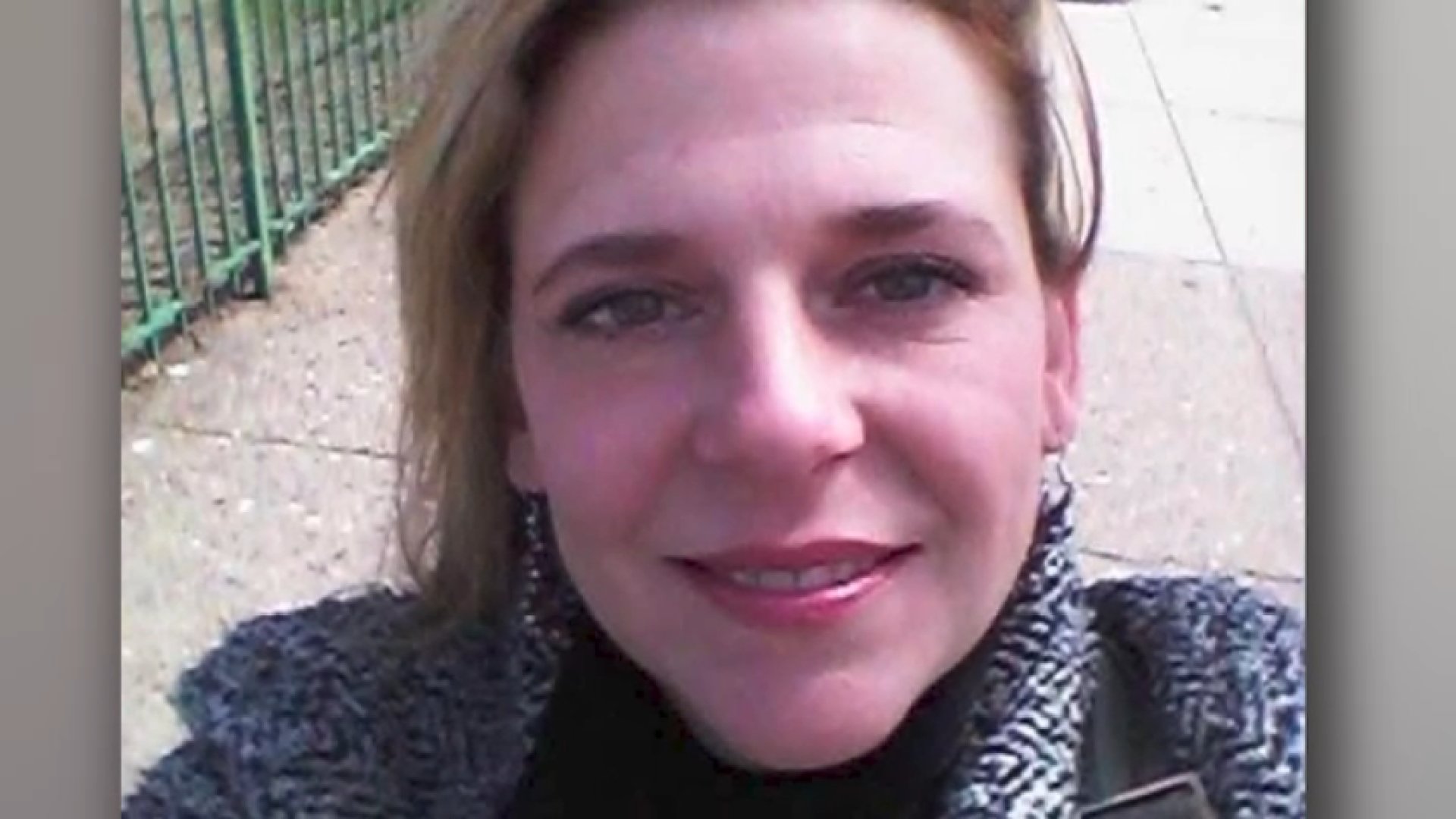
“In my heart, I think that she is deceased,” McHale’s daughter told the NBC10 Investigators in July. “I don’t know where, but she wouldn’t have gone away for this long.”
Nicole Fusaro disappeared in 2018 at age 27. A family member told the NBC10 Investigators that police believe they have video showing R.C. Horsch strangling her. Fusaro was last seen near Kensington and Allegheny avenues, about four miles from the Chew Avenue home.

While police have not named her publicly, Fusaro is one of the women investigators suspect is deceased, according to her family.
Blair Tonzelli was 35 when she disappeared in 2023. A woman who was with Eugene Horsch at the time of his June arrest was carrying Tonzelli’s identification card, police said.
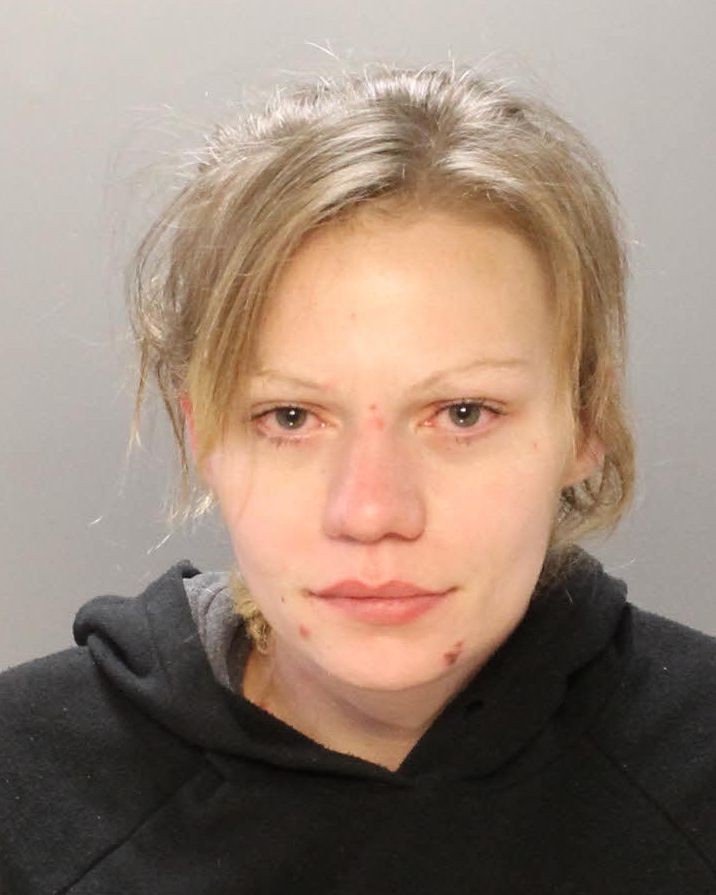
Police also say a sixth woman, who appeared to be about 25 years old in the recordings, is believed to be deceased. Authorities declined to release her identity at her family’s request.
A seventh woman, identified only as Jane Doe, also appears deceased in the evidence, police said. Her identity remains unknown, though investigators estimate she was in her 20s.
Trying to separate art from evidence
The women’s interviews come as detectives continue sorting through a mountain of digital evidence recovered from the property. Police and the FBI say they have identified 58 people in the collection of more than one million photos and videos.
Investigators are trying to determine whether some of those files contain clues about what happened to the missing women.
When NBC10 asked investigators what evidence led them to believe some of the women may no longer be alive, FBI Special Agent in Charge Wayne Jacobs acknowledged the difficulty of the task.
“It makes it incredibly difficult to make determinations with full confidence,” Jacobs said when asked how investigators are distinguishing between artistic productions and potential evidence of crimes.
Drexel University criminology professor Rob D’Ovidio told NBC10 investigators are likely building timelines using photographs, video metadata, locations and backgrounds visible in the files.
“One of the things I would be looking for is photos that were created after that of that same person,” D’Ovidio said. “I can go and look for photos or videos after that original photo was taken to see if maybe there’s some evidence of that person being alive.”
Detectives have said they are comparing scenes shown in photographs and videos to locations inside the home, looking for clues that could help establish timelines and determine whether what was captured on camera actually happened.
“To help make a determination whether what appears in the video, what appears in the photo, actually happened or whether it was staged,” D’Ovidio said.
D’Ovidio said investigators are likely searching for evidence that establishes when each woman was last documented alive and whether scenes depicted in the files reflect reality or a staged production.
Search for answers continues
Police entered the home in 2025 after a fire, but noted the property looked different when detectives returned this summer.
Law enforcement sources tell the NBC10 Investigators that authorities found what appeared to be fake blood during the initial search of the home, but no human remains. Last month, investigators excavated pipes at the property but did not find anything substantial, sources said.
I didn’t feel like I was in danger. It was really dark in there.
Christy
For the women who knew Horsch, the investigation has transformed memories of photo shoots from years ago into part of a much larger mystery.
As police continue examining evidence and testing chemicals recovered from the basement of the home, both women say they hope investigators can find answers for the families of those who remain missing.
“I’m hoping that we can find answers,” Barone said.
More than three months into the investigation, police say no human remains connected to the women have been found.
Detectives continue reviewing more than one million recovered files, searching for evidence that could explain what happened to the women who crossed paths with Horsch and never returned.
Horsch’s Wikipedia page, first created in 2014, appears to have been written by Horsch himself under the pseudonym S. E. Stokowski. The same name also appears on movie reviews and books believed to have been authored by Horsch.
Eugene Horsch’s case
A park ranger stopped Eugene Horsch in a BMW along the 600 block of Market Street in Philadelphia’s Old City neighborhood on June 19, 2026. During the stop, a woman whom police have not publicly identified provided identification in Blair Tonzelli’s name.
Officials said the park ranger found credentials on Eugene Horsch indicating he was a federal law enforcement officer and DEA agent. Authorities later determined the credentials were fake.
Inside the vehicle, the park ranger reported finding two handguns and approximately $8,000 worth of illegal drugs.
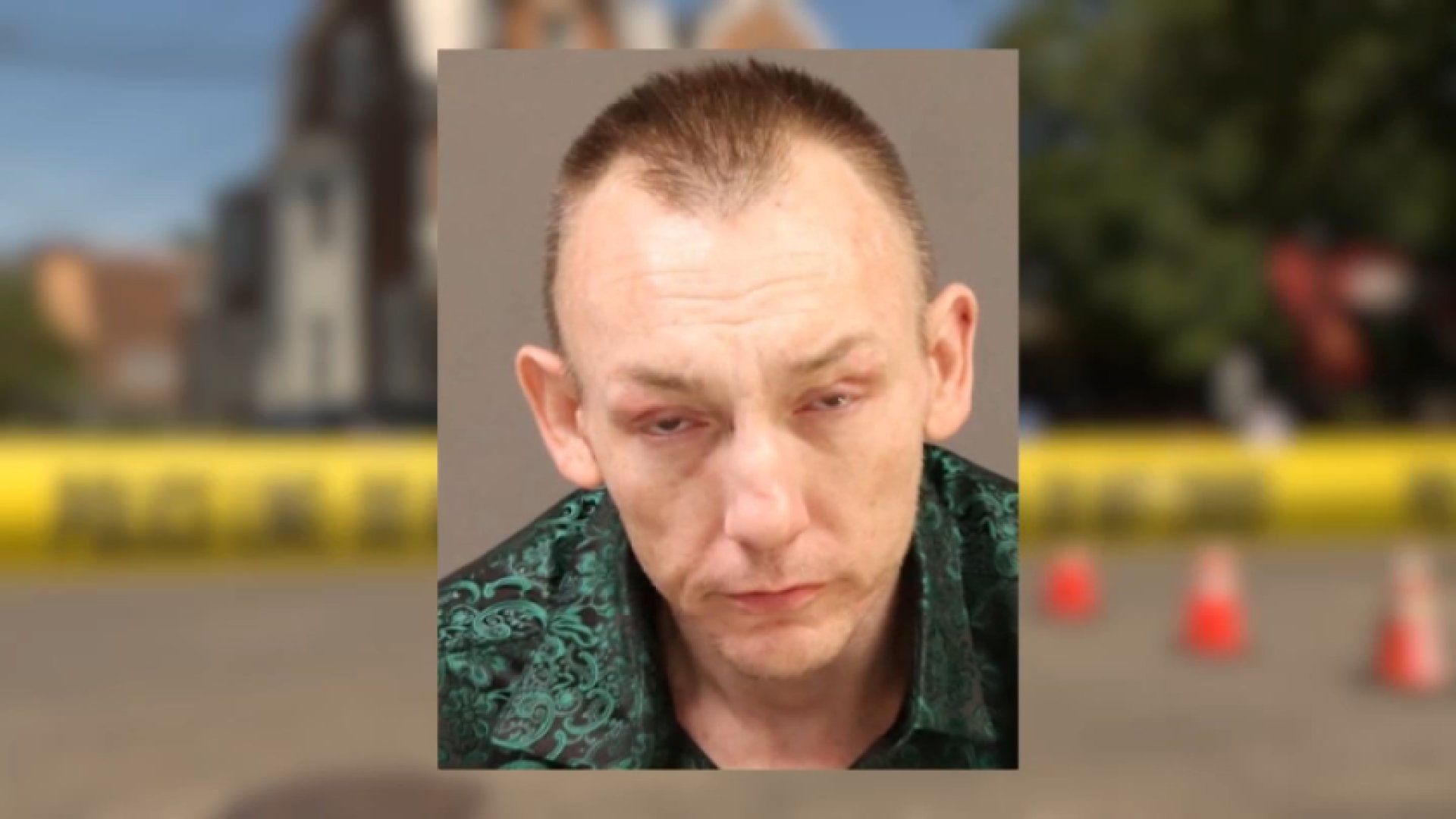
During the investigation, detectives learned that Eugene Horsch allegedly made a statement suggesting Tonzelli would “never be seen again,” according to court documents.
Following that incident, officials conducted an initial search of the Chew Avenue home, where they found at least one additional illegal firearm, a marijuana grow operation, another fake FBI badge and five urns containing cremated remains, investigators said.
In a follow-up search, police and federal agents reported finding computer parts and what appeared to be a home laboratory containing various containers of an unknown oily substance.
Throughout the summer, police continued executing search warrants at the home and removing evidence, according to investigators. The warrants remain sealed.
Among the items seized was a piece of writing about serial killer Ted Bundy that referenced zip ties and a drum, a law enforcement source familiar with the told NBC10. The note also mentioned killings and “trash that needs to go.” It remains unclear who wrote it.
Eugene Horsch faces no charges in connection with the missing person’s cases or the investigation involving R.C. Horsch.
His trial was scheduled to begin in January. His attorney, Jerome Brown, has not responded to requests for comment regarding the missing women or the evidence recovered from the home. Following his client’s arrest, however, Brown said Eugene Horsch had no knowledge of what was in the basement and believed the Ted Bundy note belonged to R.C. Horsch.
Anyone with information is asked to call Philadelphia police at 215-686-TIPS (8477). To speak directly with a homicide investigator, call 215-686-3334.
The NBC10 Investigators can be reached at david.charns@nbcuni.com and ali.ingersoll@nbcuni.com.