We’ll have more on Thursday’s unusual events in court on “Commonwealth Confidential” tonight. Watch the full hour on NBC10 Boston above.
The jury in the Lindsay Clancy trial has again been ordered to continue their deliberations after telling the judge twice in recent days that they couldn’t agree whether the Massachusetts mother is criminally responsible for killing her three children.
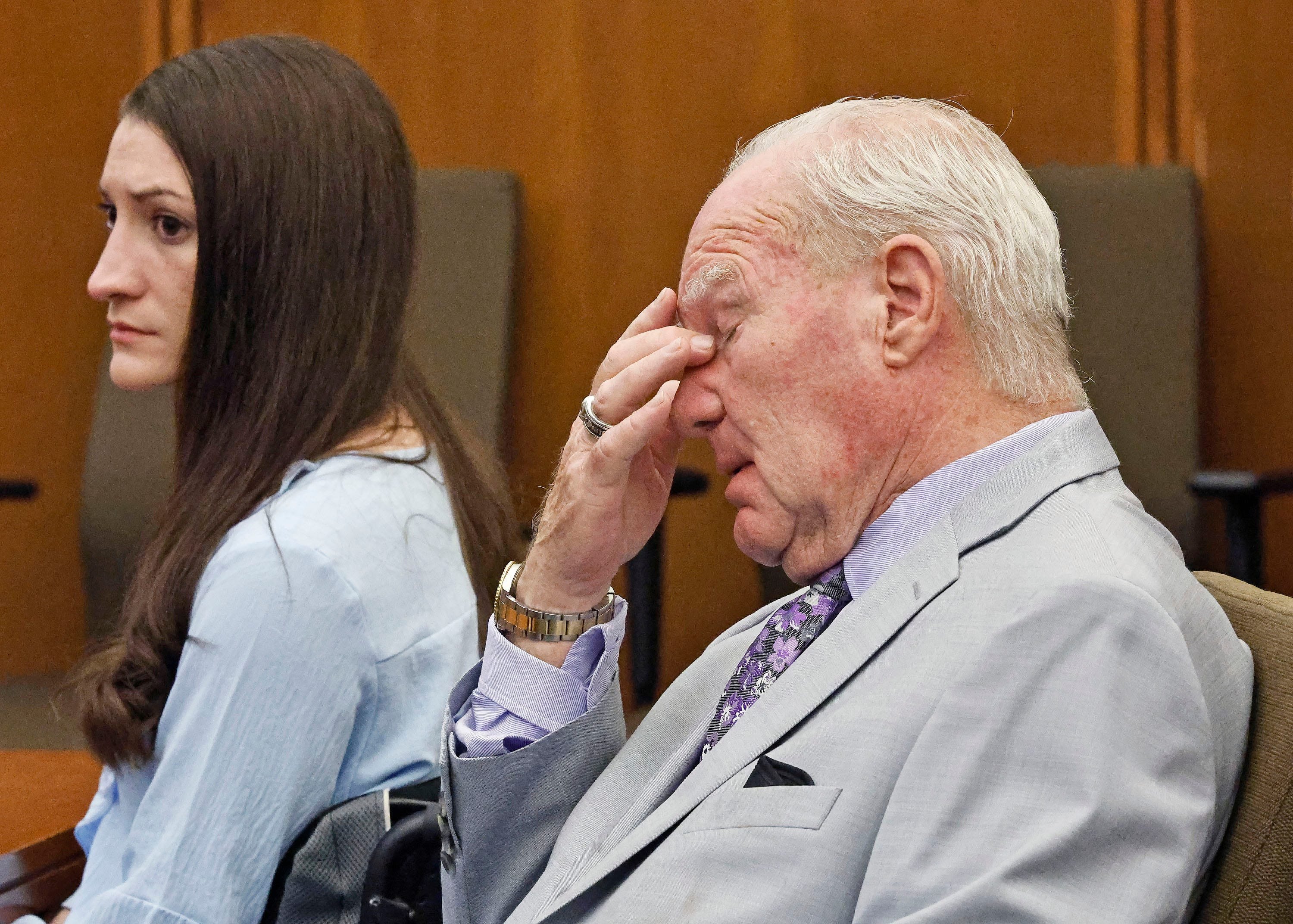
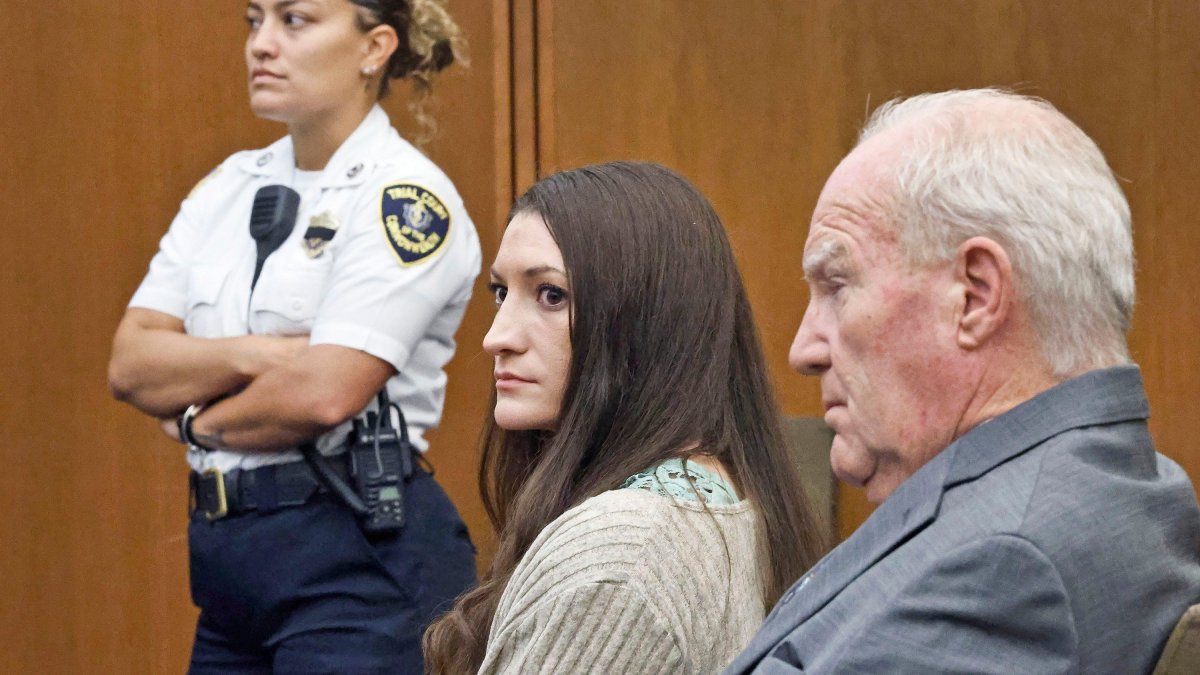
Jurors were brought into the courtroom around 9:10 a.m. Thursday morning and excused by the judge to continue their deliberations. Everyone returned to the courtroom around 3 p.m. and the judge immediately called attorneys to a sidebar. Clancy joined them at the sidebar, which hasn’t happened previously. The jurors were then sworn in one by one.
What is reasonable doubt?
After about 20 minutes, court resumed, with Judge William Sullivan giving detailed instructions to the jury on reasonable doubt. He told them that if after evaluation they still have reasonable doubt, Clancy must be acquitted.
“It’s not enough for the Commonwealth to establish a probability. That is not enough. Instead, the evidence must convince you of the defendant’s guilt to a reasonable and moral certainty.”
Sullivan then ordered jurors to continue deliberating, which they did for another 45 minutes before the judge excused them for the day. They will now return to resume their deliberations at 9 a.m. Friday.
The judge’s order was a surprising move, as many expected that the next time the jury returned to the courtroom they would either have a verdict or a mistrial might be declared.
Defense wants juror removed
After the jury was sent back, defense attorney Kevin Reddington said the judge’s “soft instruction” did not focus on the issue the jury is having, pushing for the juror refusing to listen to the instructions to be removed.
“If we come back here in a half an hour with a mistrial because of a juror that has just spurned the instructions of the court, it’s a shame, it’s a real shame,” he said.
Prosecutor Jennifer Sprague said she thought the judge’s action was appropriate, given that no one knows what happened inside the jury room.
“I was just specifically responding to the specific question that was asked,” Sullivan said, adding he didn’t think it was appropriate for him to side with either one juror or 11.

As he entered court on Thursday morning, Reddington said he remained confident.
“The support has been great… Look at the letters I have to deliver to her from all over the world. It’s just amazing,” he added, referencing a box full of letters for Clancy that he was carrying. “She reads them all.”
After court on Thursday, Reddington said the jury’s foreperson told the judge in her note about a juror who has doubt, but won’t listen to what the judge has been instructing.
“I don’t want a mistrial, we kicked the s*** out of their case,” Reddington said.
He explained he wheeled Clancy to be part of the conversation because, “She has a right to know what’s going on.”
Clancy, a 36-year-old former labor and delivery nurse, doesn’t deny strangling her children in the basement of their home in 2023. Her attorney argues that postpartum psychosis led to her actions, while prosecutors say she knew what she was doing when she killed Cora, Dawson and Callan Clancy, ages 5, 3 and 8 months.
Clancy’s livestreamed trial has generated intense interest, with reporters and spectators packing the courtroom. The case has also sparked deep public divisions over her culpability and the issues around maternal mental health after childbirth.
Lindsay Clancy’s reaction to the jury
Clancy appeared to stare at the jury with no expression on Wednesday as Sullivan explained to the courtroom that jurors were at an impasse — a sign there’s a growing chance of a hung jury and the trial ending without a resolution.
Tuey-Rodriguez instructions
Sullivan told the jurors not to abandon their own convictions just to reach a verdict, but urged them to seriously consider opposing views and reassess their positions if appropriate.
No one knows, he said, that another jury would be “more intelligent, more impartial or more competent to decide it than you are.”
Lindsay Clancy could go on trial again
If the jury ultimately can’t agree on a verdict, the judge could declare a mistrial. Prosecutors would then have to decide whether to put Clancy on trial again, drop the charges or try to negotiate a plea deal with her lawyer.
If the jury decides Clancy was criminally responsible for her actions, it could convict her of either murder or manslaughter. If she is acquitted, a judge could still order her confined to a mental health facility if an evaluation determines that she poses a danger to the public.
Reddington said Thursday that he’ll be ready for a retrial if jurors are unable to reach a verdict.
“Bring it,” he said. “I’ve got witnesses lined up, we’re all set… We’ve got all our evidence and witnesses ready, let’s go.”
Asked if he’d be open to a plea deal, Reddington said that’s up to Plymouth District Attorney Timothy Cruz.
“We’ll see what Mr. Cruz wants to do and then we’ll talk over our options.”
The evidence against Lindsay Clancy
Jurors have heard testimony from relatives and doctors about how Clancy’s mental health declined in the months before the killings and how her treatment included several medications and a short stay in a psychiatric hospital.
Medical experts hired by the prosecution and the defense reached sharply different conclusions about her psychiatric state when she killed the children.
Patrick Clancy has said in interviews that he forgives his now ex-wife, whom he views as ill rather than evil.
Clancy strangled the children with exercise bands in their home’s basement, then jumped from a second-floor window. She remains paralyzed from the waist down. Her lawyers say she heard a voice telling her to kill the children so she could end her own life.
The prosecution argues she deliberately sent her then-husband on errands to get him out of the house, and prosecutors have questioned the seriousness of her suicide attempt.