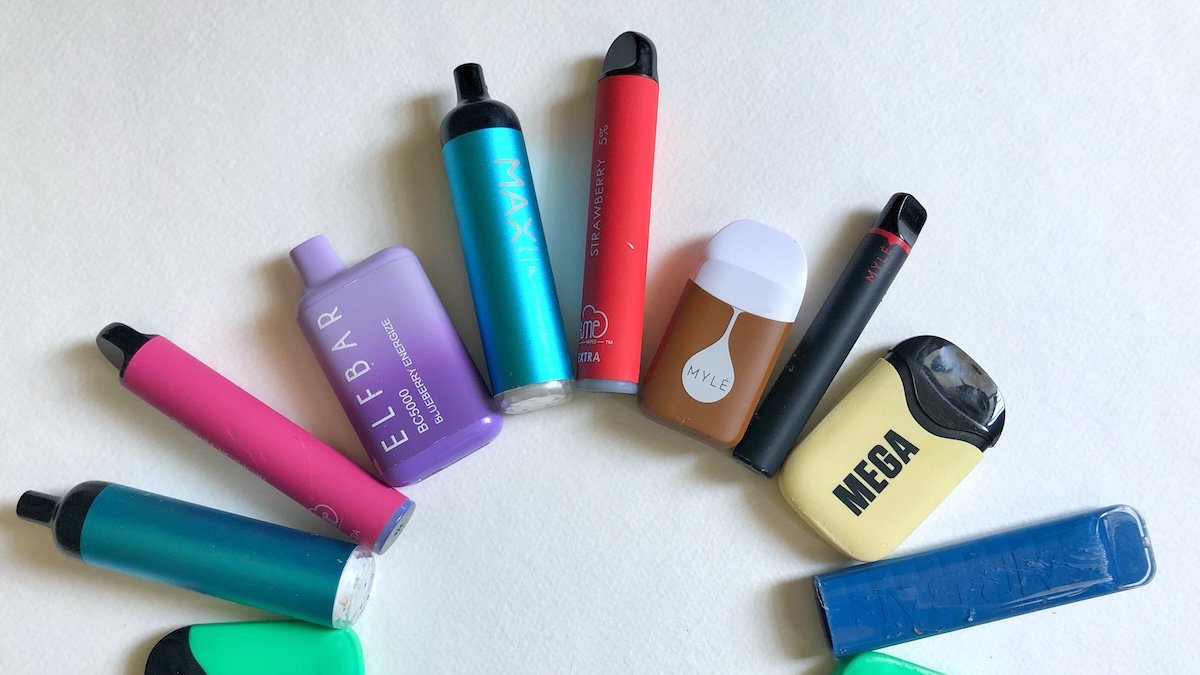
As students head back to school, tobacco prevention advocates are encouraging parents and educators to talk with young people about the risks associated with e-cigarettes and nicotine pouches.
The reminder comes as more than 2 million U.S. middle and high school students reported using tobacco products in 2025, according to the FDA and CDC’s National Youth Tobacco Survey. The survey found that 7.2% of students, or about 2.01 million youth, reported using a tobacco product within the previous 30 days.
While youth tobacco use has declined significantly over the past several years, advocates say the figures underscore why prevention efforts remain a priority.
E-cigarettes remain the most commonly used tobacco product among youth, according to the FDA survey. About 1.44 million middle and high school students reported current e-cigarette use.
Advocates are not only concerned with how many young people are vaping, but how often they are doing it. More than 4 in 10 youth e-cigarette users reported vaping on at least 20 of the previous 30 days, according to the FDA survey, while more than 1 in 4 said they used e-cigarettes daily.
Flavors continue to play a major role
The survey found flavored products remain especially popular among young users.
Nearly 9 in 10 youth who used e-cigarettes reported using flavored varieties, according to the FDA. Fruit flavors were the most commonly used, followed by candy, dessert and other sweet flavors.
The FDA survey also found that approximately 460,000 students reported using nicotine pouches, making them the second most commonly used tobacco product among youth after e-cigarettes.
Although there’s some progress, concerns remain
The survey also highlighted significant progress in reducing youth tobacco use.
According to the FDA, current use of tobacco products overall, e-cigarettes and cigarettes declined between 2022 and 2025. Cigarette smoking among high school students remained at historically low levels, with 1.8% reporting current cigarette use in 2025.
In a statement responding to the survey, Yolonda C. Richardson, president and CEO of Campaign for Tobacco-Free Kids, called the decline in youth tobacco use an important public health success while noting that more than 2 million students still use tobacco products.
Richardson also pointed to survey findings showing that more than 40% of youth e-cigarette users reported frequent use and that flavored products continue to dominate youth consumption patterns.
Why health organizations remain concerned
According to the CDC, nicotine can affect parts of an adolescent’s brain involved in attention, learning, mood and impulse control. The agency also states that no tobacco products, including e-cigarettes, are safe for children, teens and young adults.
As students return to classrooms this fall, advocates say conversations about nicotine use are just as important as conversations about other health and safety issues.
How parents, caregivers and educators can help
Public health agencies and youth prevention advocates encourage adults to stay informed about nicotine products and maintain ongoing conversations with young people about their risks. Some steps adults can take include:
- Learning what vaping devices, e-cigarettes and nicotine pouches look like and how they are marketed to young people
- Talking with students early and often about nicotine, addiction and the health risks associated with tobacco products
- Asking open-ended questions and encouraging honest conversations
- Talking with students about what they may encounter at school, online and through social media
- Paying attention to changes in mood, behavior, concentration or sleep patterns that could signal nicotine use
- Creating an environment where young people feel comfortable asking questions and discussing topics they may see or hear about from friends, classmates or online influencers
- Seeking support resources if a young person may already be using nicotine products
Brian King, executive vice president for U.S. programs at Campaign for Tobacco-Free Kids, said families and schools remain critical partners in prevention efforts.
“The CDC’s main program for addressing tobacco product use, including among kids, has been fully eliminated. And so that’s all the more reason for all hands on deck, including parents and educators, to be mindful of the risks of these products to kids,” King said.
For more information, quitting resources and support programs, visit the Truth Initiative website.
If you or someone you know is struggling with drug addiction, call the national hotline for drug abuse at 1-888-633-3239 to receive information regarding treatment and recovery.
This story uses functionality that may not work in our app. Click here to open the story in your web browser.