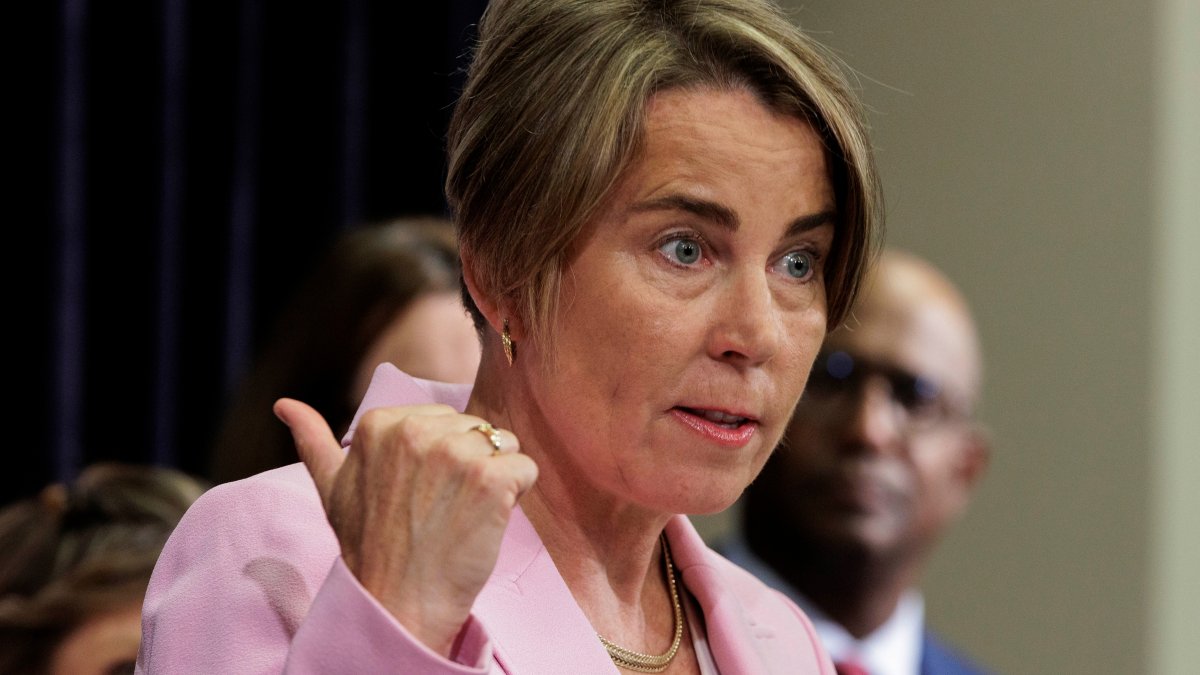
Gov. Maura Healey said she has submitted a formal letter to the state Parole Board urging them to deny parole for the man serving a life sentence for his role in the murder of a Massachusetts state trooper over 40 years ago.
Jose Colon is eligible for parole due to a recent change in Massachusetts law following a Supreme Judicial Court ruling that “emerging adults” cannot be sentenced to life without parole.
Colon was 20 years old when he shot and killed Trooper George L. Hanna on Feb. 26, 1983, in Auburn. Hanna had pulled over a car with three men and two women inside and ordered them out of the vehicle for questioning. Colon, one of the people in the car, shot Hanna six times, and later that night at a Worcester hospital, leaving behind a wife and three children.
Colon is currently serving a life sentence but will receive a hearing before the Parole Board on Thursday.
Healey submitted a letter to the board this week expressing her opposition to Colon’s release, citing the profound and lasting harm he inflected on Hanna’s family, the law enforcement community and the state as a whole.
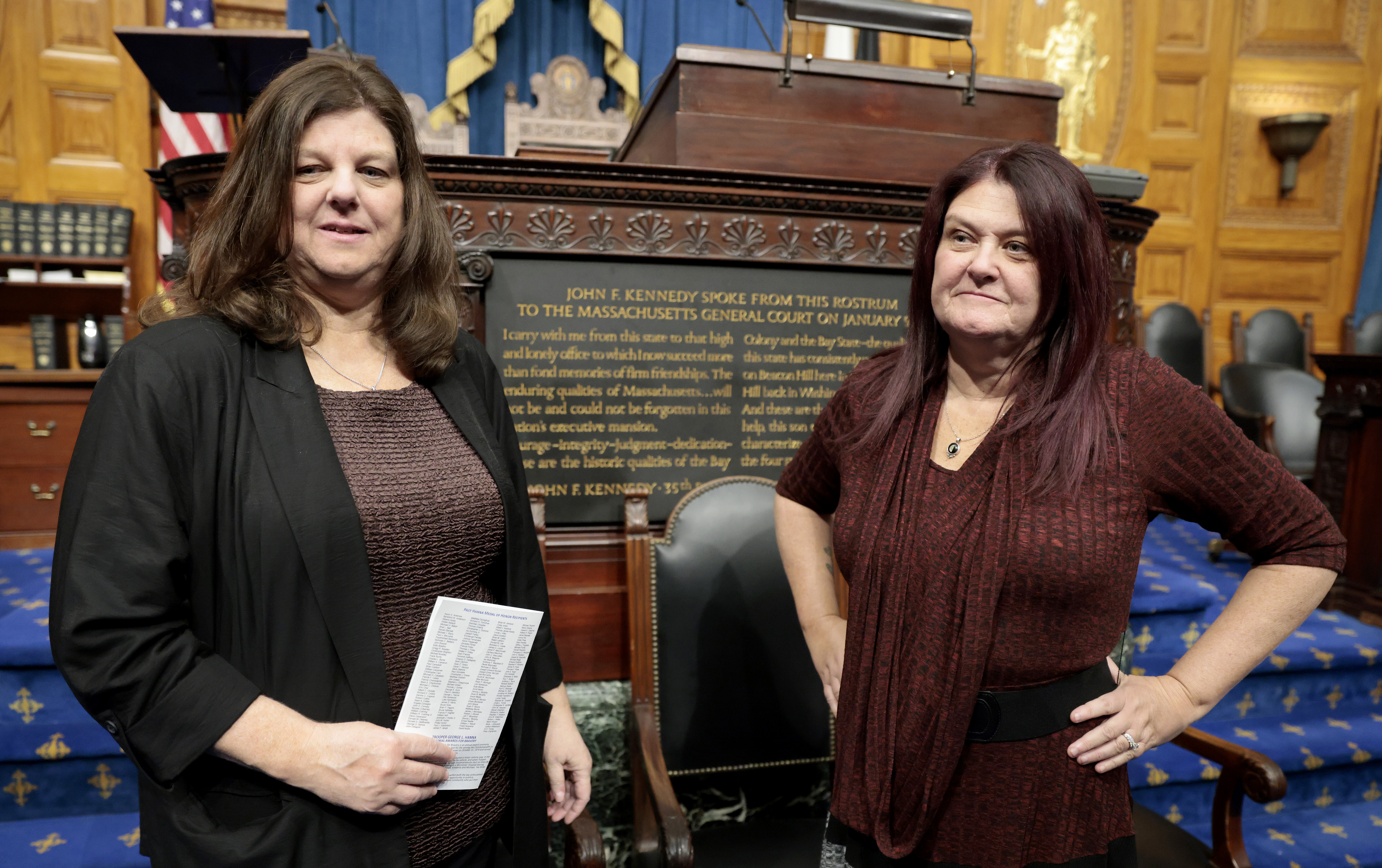
Every year, Massachusetts hosts an awards ceremony in Hanna’s name to publicly recognize the bravery of members of the law enforcement community.
“Trooper Hanna’s family has continued to honor his legacy in a deeply tangible way. His daughters, Deborah and Kimberly, still present the awards in his name, keeping their father’s memory central to the Commonwealth’s recognition of courage and dedication in law enforcement. For the past 10 years, I have personally sat with Deborah and Kimberly at the Hanna Award ceremony and have witnessed the pain they continue to endure because of their father’s brutal murder,” Healey wrote. “Massachusetts rightly holds Trooper Hanna’s name as a symbol of honor and valor. Releasing the individual who fired the shots that killed Trooper Hanna would diminish the meaning of the very legacy we continue to uphold and would send a dangerous signal that deliberate killing of a police officer is anything less than the most heinous of crimes.”
In her letter to the Parole Board, Healey emphasized the gravity of the crime, the magnitude of its harm, and the enduring public significance of Hanna’s legacy. She urged the board to carefully consider the full and lasting impact of the offense on the victim’s family, the law enforcement community and public trust.