Boston and other sanctuary cities across the U.S. are once again being targeted by Donald Trump, with the president announcing this week that he wants to cut federal funding not only to those cities but also to their states — starting next month.
Two previous efforts by Trump to cut off some funding for sanctuary jurisdictions were shut down by courts.
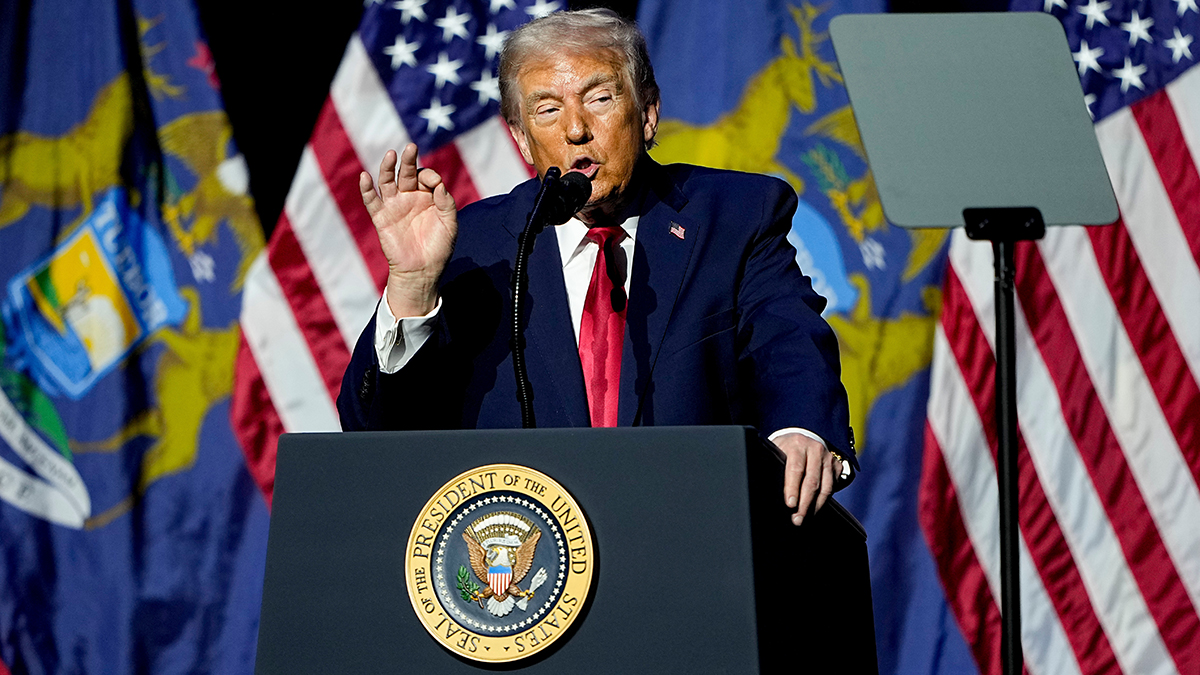
There were few specifics given when Trump announced his third attempt Tuesday during a speech at the Detroit Economic Club in Michigan, but the president said he would deny federal funding to any states that are home to local governments resisting his administration’s immigration policies beginning Feb. 1.
“We’re not making any payments to sanctuary cities or states having sanctuary cities, because they do everything possible to protect criminals at the expense of American citizens and it breeds fraud and crime and all of the other problems that come,” he said. “So we’re not making any payment to anybody that supports sanctuary cities.”
This action would expand on Trump’s previous threats to cut off resources to the so-called sanctuary cities themselves and could have far-reaching impacts across the country, potentially even in places that aren’t particularly friendly to noncitizens.
Trump did not give details in his speech about what kind of funding would be affected, but back in Washington when asked by reporters about it, he said: “You’ll see. It’ll be significant.”
The federal government has moved to halt funding for a variety of programs in recent weeks and is already facing legal challenges.
What is a sanctuary city?
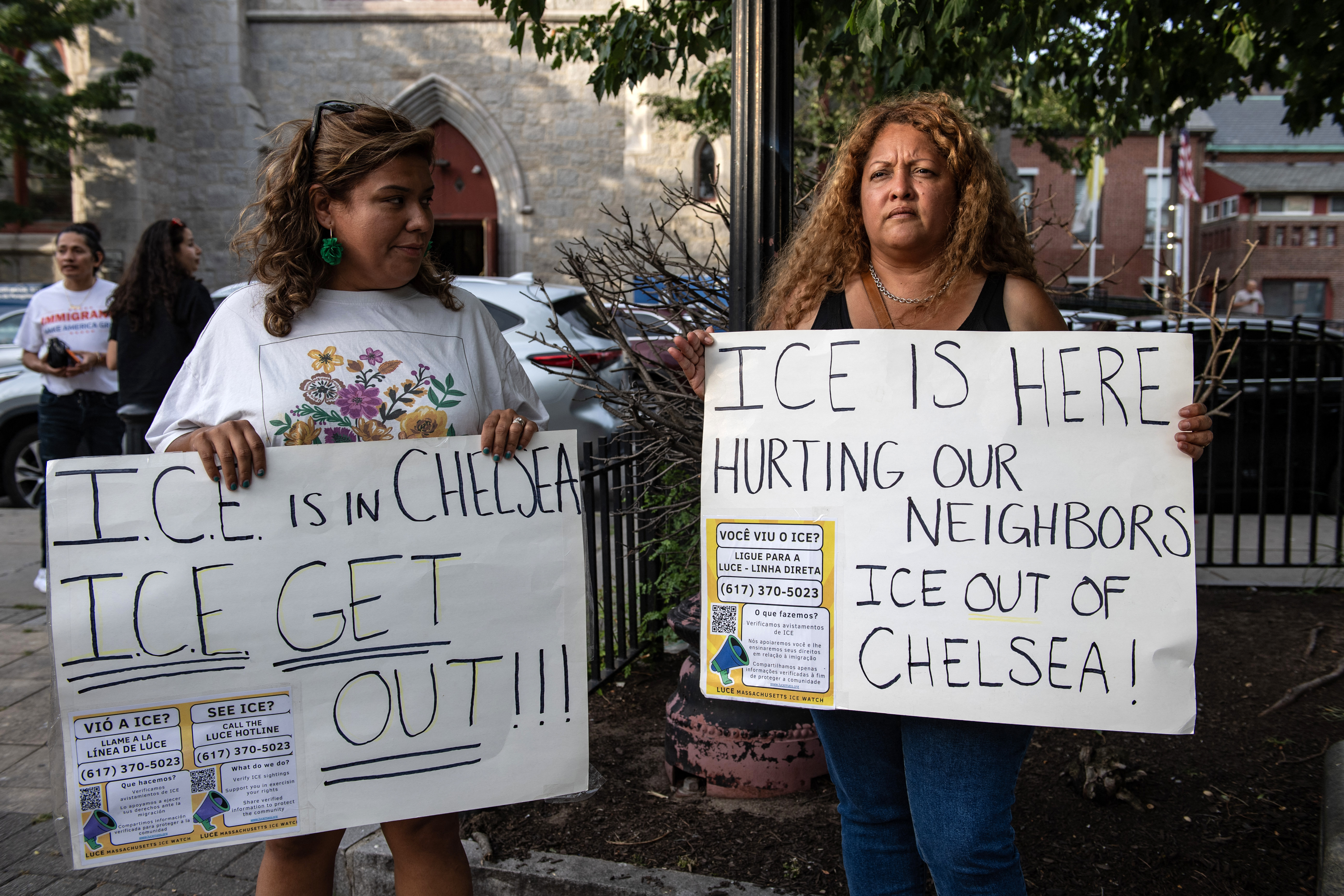
There is no strict definition for sanctuary policies or sanctuary cities, but the terms generally describe cities and or jurisdictions that do not fully cooperate with U.S. Immigration and Customs Enforcement (ICE).
Boston is one of those cities.
NBC10 Boston has reached out to Boston Mayor Michelle Wu and Massachusetts Gov. Maura Healey for statements on Trump’s comments about freezing funding for sanctuary cities but has yet to hear back.
The Justice Department last year published a list of three dozen states, cities and counties that it considers to be sanctuary jurisdictions — where policies, laws, or regulations impede enforcement of federal immigration laws.
The list is overwhelmingly made up of places where the governments are controlled by Democrats, including the states of California, Connecticut and New York, cities such as Boston and New York and counties including Baltimore County, Maryland, and Cook County, Illinois.
That list replaced an earlier, longer one that was met with pushback from officials who said it wasn’t clear why their jurisdictions were on it.
“Sanctuary policies impede law enforcement and put American citizens at risk by design,” Attorney General Pamela Bondi said last August, when the list was published. “The Department of Justice will continue bringing litigation against sanctuary jurisdictions and work closely with the Department of Homeland Security to eradicate these harmful policies around the country.”
Courts have rejected the idea before
In an executive orders last year, the president directed federal officials to withhold money from sanctuary jurisdictions that seek to shield people in the country illegally from deportation.
A California-based federal judge struck it down despite government lawyers saying it was too early to stop the plan when no action had been taken and no specific conditions had been laid out.
In Trump’s first term in office, in 2017, courts struck down his effort to cut funding to the cities.