“Connecticut’s correctional system is operating in a state of sustained institutional failure.”
That’s what a new report by the Office of the Correction Ombuds concluded after looking into complaints and reports across the state’s correctional facilities for over a year.
The OCO was re-established in September 2024 and submitted its inaugural 2025 report. Despite the OCO lacking a full investigative staff, they investigated reported incidents, conditions, and complaints at the state’s correctional facilities.
According to the report, the conditions they found were consistent across many facilities and underscored the “seriousness and pervasiveness of the issues confronting Connecticut’s correctional system.
“These are not isolated lapses or temporary disruptions,” the report stated. “They are structural deficiencies, embedded in daily operations. In many respects, [the Department of Corrections (DOC)] appears to be failing to fulfill its statutory mandates.
You can read the entire report here.
The OCO found that the DOC relied heavily on modified and full facility lockdowns when faced with staffing shortages. Lockdowns are usually limited measures that are used in genuine emergencies in facilities.
According to DOC, there were 387 reported lockdowns in 2025. When facilities go into lockdown, visitation, recreation time, educational and therapy programs, religious services, hygiene, medical needs, and access to law libraries and communications are suspended.
The OCO said they received numerous complaints that people were confined to their cells for days at a time. This caused people to miss their medical appointments, go days without showers, and lose visits with family members.
The report stated that the lockdowns occurred “predictably” around weekends, holidays, and other staffing-stress points. According to OCO, while they acknowledge the staffing difficulties that the DOC has, the evidence shows there are no minimum staffing standards and no limits on the frequency or duration of lockdowns.
Mental health and medical needs were also the subject of many complaints to the OCO, according to the report. The OCO cited a December 2025 report from Disability Rights Connecticut that found sexual assault and systemic safety failures at York Correctional Institution, particularly affecting people with disabilities.
Also in late 2025, the Office of the Child Advocate issued a report that found repeated, unjustified use of force against youth at Manson Youth Institution.
According to the OCO, these were due to lack of staffing, inadequate training, and “weak internal controls.”
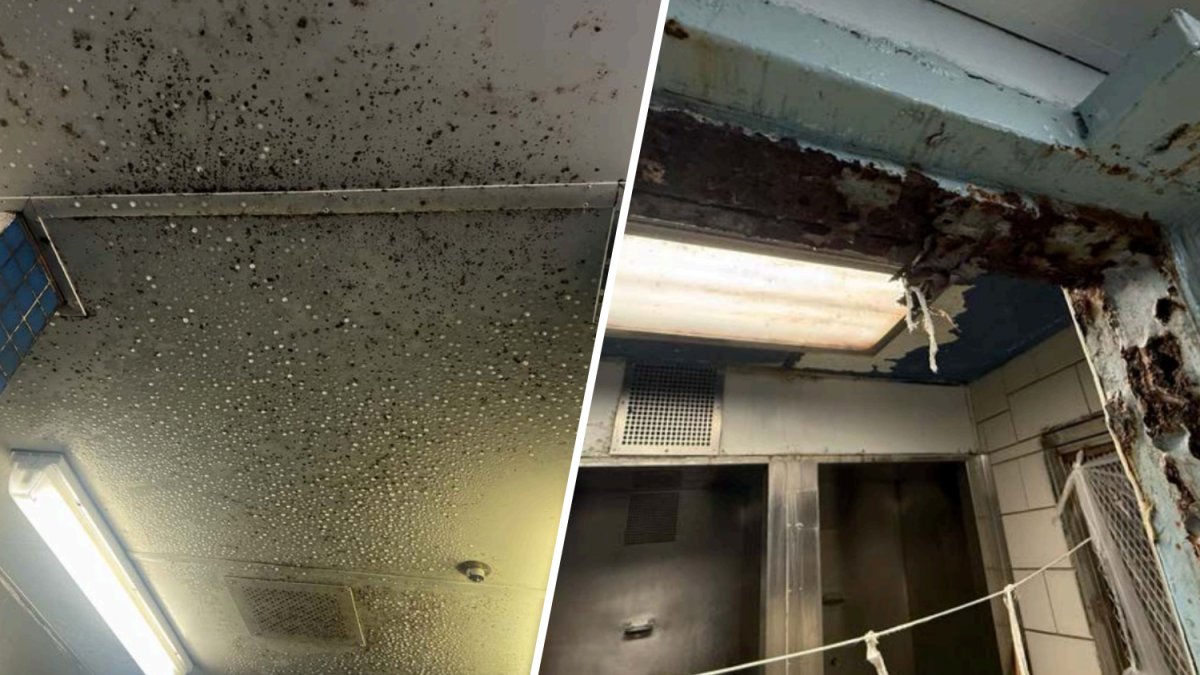
When it comes to the living conditions at the facilities, the OCO observed unsanitary and “degrading living conditions.” This included mold-contaminated ventilation, rodent infestations, sewage backups, and prolonged denial of hygiene supplies and shower access.
The OCO said that the conditions also affect correctional staff who work prolonged shifts.
An investigation into the Inmate Legal Assistance Program revealed deficiencies so significant that the office had to resort to “enforcement litigation” to obtain records from a state contractor that performed the services.
“That such litigation was required to secure basic oversight cooperation is itself a serious concern,” the OCO said in the report.
The OCO also cited multiple audits done on the DOC’s operations. The audits reported repeated findings, including improper extended paid administrative leave, weaknesses in overtime and payroll controls, failures in asset management, and repeated noncompliance with statutory reporting requirements.
“The recurrence of these findings over multiple audit cycles reflects a failure to implement corrective action–failures that directly affect staffing availability, infrastructure maintenance, transparency, and public trust,” the report said.
The OCO said there was cooperation with the DOC wardens, staff, and central offices, who responded to inquiries and engaged with oversight efforts.
“The [OCO] submits this report as both a record and a warning: Absent decisive intervention, Connecticut risks entrenching a correctional system defined by instability, isolation, and preventable harm,” the report concluded.
The DOC released a statement regarding the report, saying that DOC Commissioner Angel Quiros sent a letter to Correction Ombudsman DeVaugh Ward expressing:
“The Department of Correction (DOC) strongly objects to [the] grossly overstated and unsupported generalization,” that the correctional system is operating in a state of “sustained institutional failure.”
The Ombudsman’s report contains a number of allegations which are unsupported in either fact or law and appear to serve only to foster an extremely negative perception of the agency.
The report also fails to indicate that the department proactively brought to the Ombudsman’s attention many of the issues raised in the report. Any implication that the DOC has disregarded any of the concerns raised is simply not true.
Additionally, the report cites several issues that are based solely on a singular occurrence, from which Attorney Ward has drawn unfounded and wide-ranging inferences.
We acknowledge that there is always room for improvement in any enterprise that houses, feeds, clothes, ministers to the physical, emotional, spiritual, medical and psychological needs, provides reentry and counseling and programming, addiction treatment services, educational services and vocational, and employment readiness training to approximately 11,000 incarcerated individuals on a 24-hour/365-days-a-year basis.
To that end, the DOC strives for continuous improvement. Also, the administration of the Department of Correction strongly believes a collaborative approach with the Office of Correctional Ombudsman is in the best interest of the incarcerated population.
The DOC is working on (and will submit to the Ombudsman by February 20) a thorough and detailed response to the 2025 Conditions of Confinement Report.