
Not only do plant-based proteins provide that filling, muscle-building macronutrient, they’re also rich in compounds that support your overall health — including gut health.
There are two key things to look for in gut-healthy plant-based protein foods, says Natalie Rizzo, registered dietitian and TODAY nutrition editor.
“One is the obvious, which is fiber,” Rizzo says, “and most plant-based proteins have at least some fiber.” Fiber helps keep your digestive system moving regularly. It also supports your heart-healthy and slows digestion, which helps avoid blood sugar spikes.
Some types of fiber, found in certain plant foods, are also prebiotics, a type of compound that supports the growth of healthy gut bacteria.
The second trait to look for is probiotics, which are healthy gut bacteria found in fermented foods, Rizzo says. Different types of these gut microbes have different roles in your body, including helping you absorb nutrients from food and supporting healthy digestion, as TODAY.com explained previously.
Outside of diary foods, like Greek yogurt, there aren’t a ton of foods that provide both protein and probiotics, Rizzo notes. But there are some plant-based foods that are rich in protein and gut-healthy nutrients, including both fiber and probiotics.
Dietitian’s No. 1 plant-based protein for gut health
Tempeh
Made of fermented soy beans that have been pressed into a block, tempeh is one of the only plant-based proteins that provides both fiber and gut-healthy probiotics, Rizzo says.
Tempeh’s nutritional profile is similar to that of soybeans. You’ll get about 18 grams of protein and 6 grams of fiber in one serving of tempeh. This plant protein is also rich in essential amino acids, including leucine, which supports muscle growth.
It’s firm-yet-crumbly texture makes it a great sliced meat substitute in sandwiches, like this veggie-packed maple “bacon” BLT. And it can be a perfect plant stand-in for ground meat in this tempeh bolognese.
Other gut-healthy plant-based proteins to try
Beans
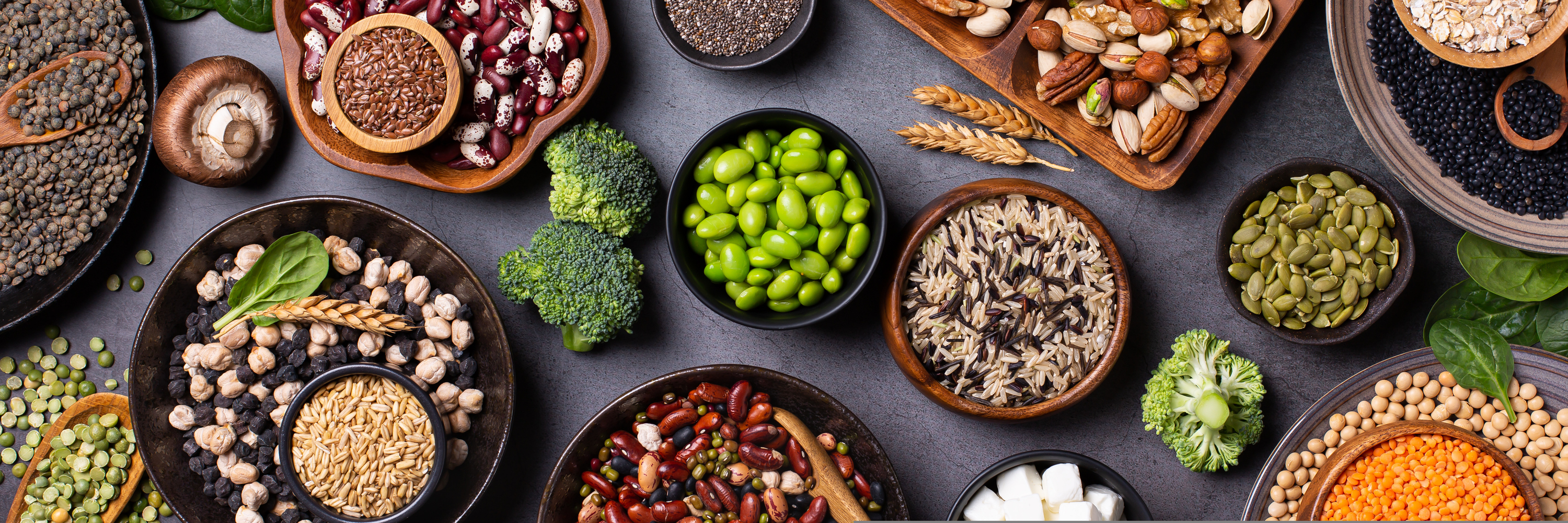
If you’re looking for both healthy plant protein and fiber, beans are going to be one of the best places for you to look, Rizzo says.
While all beans are rich in protein and fiber, white beans have the most fiber of any type of bean, TODAY.com explained previously. For example, one half-cup serving of navy beans is packed with 9.5 grams of fiber and about 7.5 grams of protein. White bean are also quite high in calcium, an essential mineral that supports bone health.
Try a classic white bean salad or soup, or give high-fiber black beans or kidney bean a try if you prefer.
Oats
Providing about 5 grams of protein per serving, this whole grain may not be as high in protein as the other items on this list. But it is rich in heart- and gut-healthy soluble fiber, Rizzo says.
And, when paired with a high-protein milk or non-dairy milk alternative (such as soy milk), your bowl of oatmeal can make it easily reach 12 or more grams of filling plant protein.
Add some nuts, seeds and fresh fruit to your oatmeal for added protein, fiber and antioxidants. Give Dylan Dreyer’s blueberry or apple oatmeal a spin for a delicious, nutritious plant-based breakfast.
This story first appeared on TODAY.com. More from TODAY: