
Artificial intelligence has become an important tool in the pediatric emergency department at Children’s National Hospital in D.C., helping predict a surge in patients before the waiting room gets so crowded that families leave without being seen.
Depending on the day, the time or even the season, it can take hours to get treated at hospital emergency departments.
“This is not a Children’s National problem. It’s a national problem and I think it’s a problem that will likely get worse because the number of in-patient pediatric beds across the country is decreasing,” said Dr. Kenneth McKinley, an emergency medicine physician for Children’s National.
The hospital is now using AI to try and get ahead of that problem before the waiting room gets overwhelmed.
“The technology we’ve developed here is a forecasting technology to help us identify the periods when we know we’re going to need extra capacity, when we know we are going to need to mobilize extra resources, and help prevent some of the longer wait times, some of the left without being seen,” McKinley said.
The technology looks for patterns like the day of the week, time of day, holidays and other factors. Then it uses machine learning to predict when severe crowding is likely. The platform automatically updates every hour.
“I receive an automatic notification any time we predict more than two high-acute ED patients will leave without being seen from the emergency department,” McKinley said.
That’s the signal that tells the hospital to bring in extra doctors and nurses to help handle the surge.

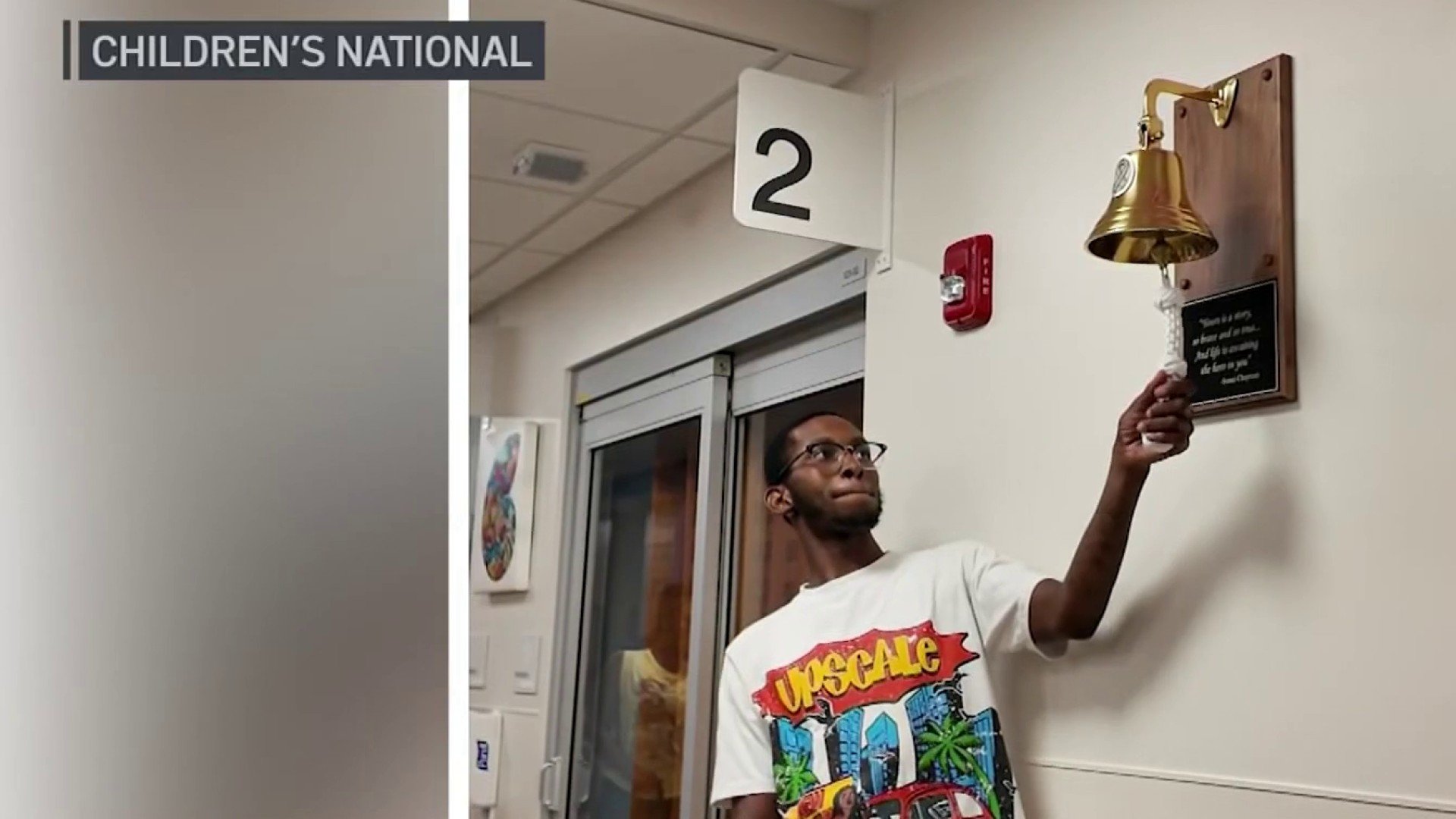

“We’ve pre-identified doctors who may be available to come in. And sometimes that means our backup provider, and sometimes that means a surge team provider who has volunteered their time to be available and work extra hours if needed,” McKinley said.
He said the goal isn’t just to shorten the wait. It’s also to make sure the sickest children don’t leave before they’re seen.
“We predict how many of them will leave over the next eight hours. And if it’s ever predicted to be more than two, that’s a real sign that some truly sick patients might be going home. And those families might be at risk for their child having a bad outcome,” he said.
The technology does not make decisions about a child’s care. But it does give doctors an additional tool to help with staffing shifts, which McKinley said is especially important as emergency departments nationwide face long waits.
According to federal data, patients in the D.C. area spend an average of more than five hours in the emergency department.
“Our safety leads on the team, this is what keeps them up at night,” McKinley said. “We are able now to capture patients before they leave, before they have a bad outcome. And our next step is really about moving that forecast earlier in the day, getting even more nimble with deploying resources. So not only are we preventing the bad outcome, but we’re maintaining really positive experiences in every patient who seeks care in our emergency department.”
Children’s National started using the AI technology in the fall of 2024.
Dr. McKinley said wait times improved by more than 25% in September of this year compared to September 2023 and September 2024 on days when they treated more than 200 patients.