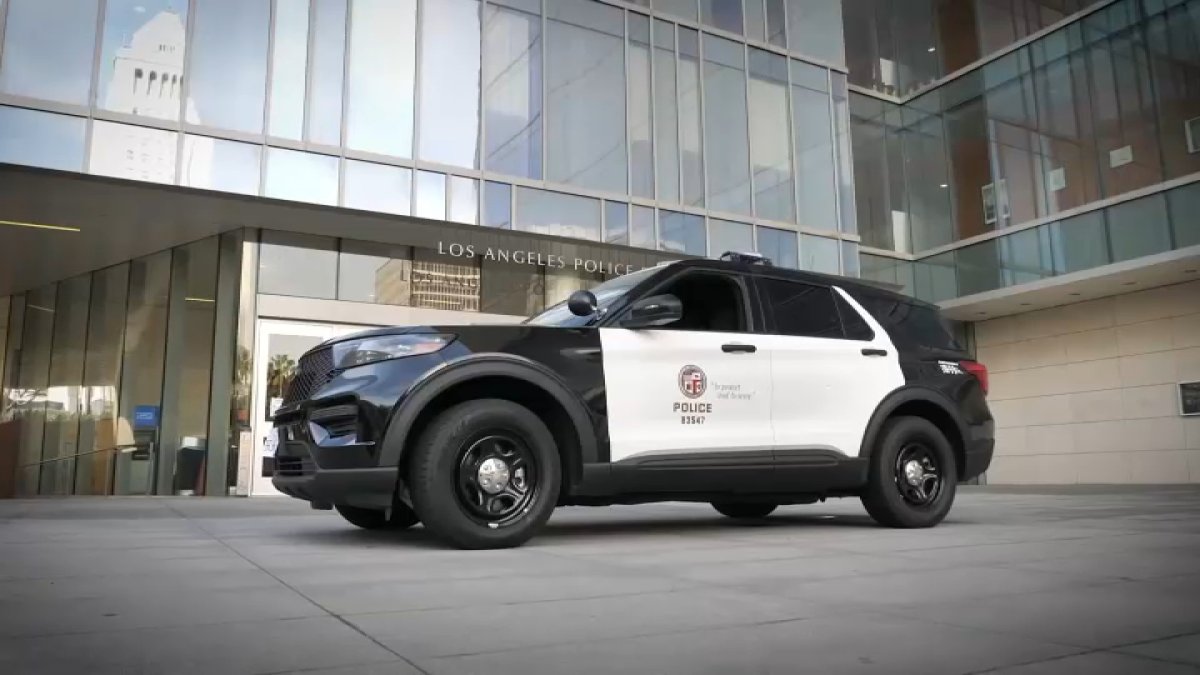
The LAPD asked for approval this week of a new 10-year, $235-million contract with the police technology company Axon Enterprise, that includes more than 1,600 patrol car cameras with automatic license plate reader capabilities, and it has agreed separately to participate in a test program to begin attaching surveillance cameras to street lights around the city to collect even more license plate data.
The pilot program’s contract “authorizes a no-cost, three-month pilot evaluation of the Axon Lightpost public safety solution, comprising streetlight-mounted hardware and automated license plate recognition software, to be conducted by Axon Enterprise, Inc. for the Los Angeles Police Department,” according to a memo signed by LAPD Chief Jim McDonnell.
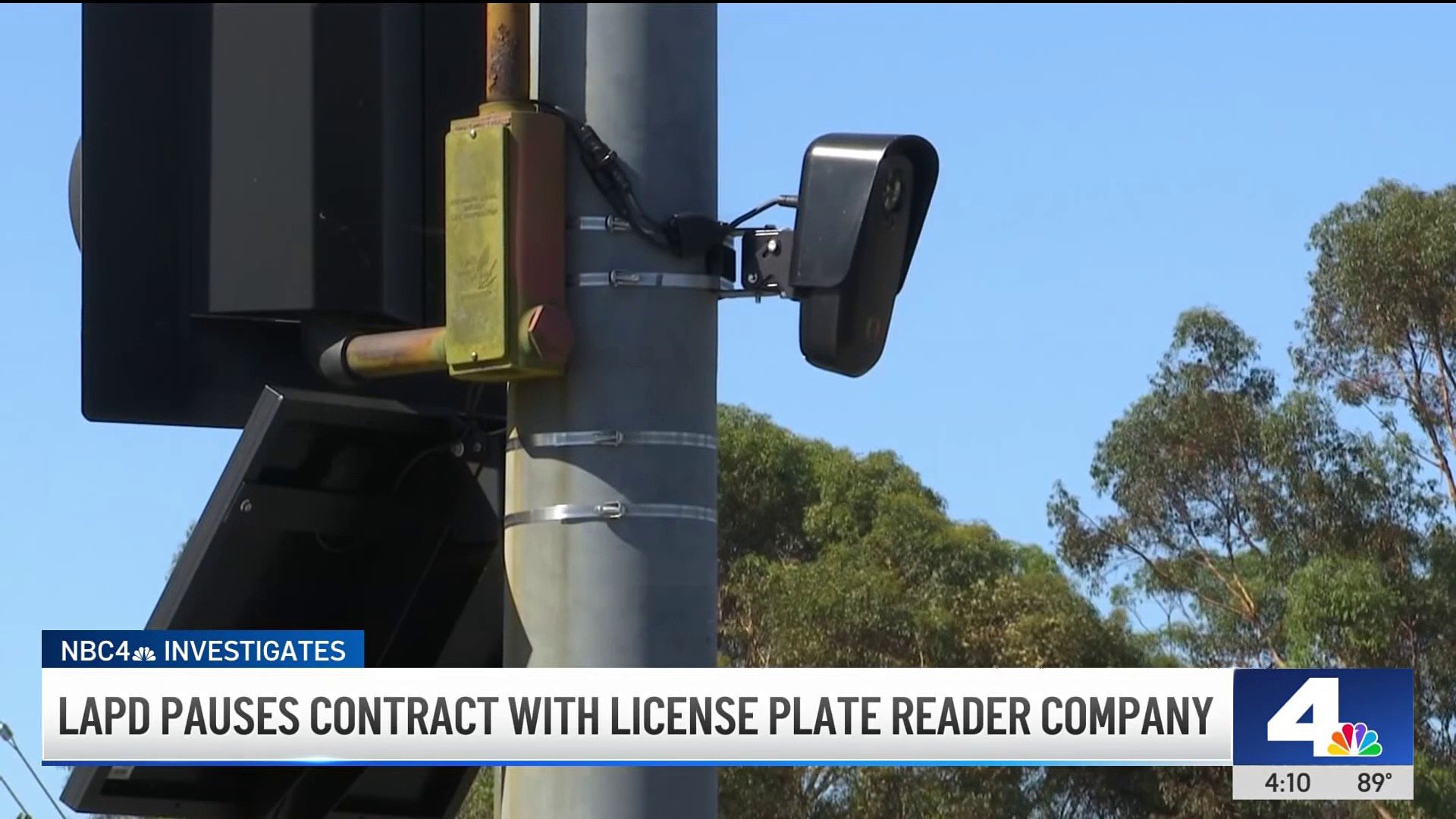
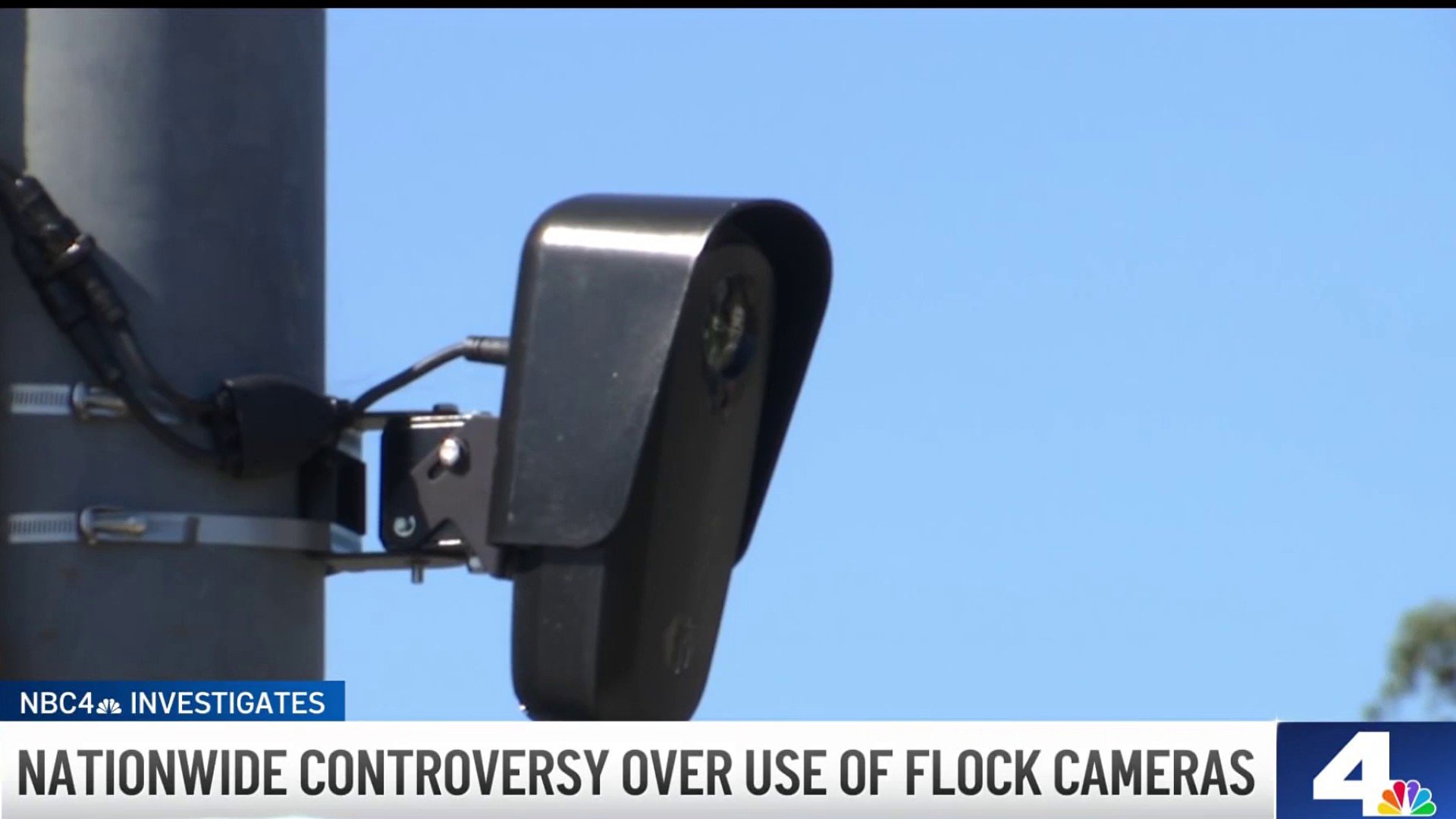
The light post agreement with Axon says a subcontractor called Ubicquia, Inc. will install the cameras, which clamp to the top of existing street lights and draw power from the light’s electricity, according to Ubicquia’s website. It also boasts of the system’s artificial intelligence capabilities to identify vehicles, license plates, pedestrians, and other objects that pass into view.
The locations for these streetlight cameras were described as “TBA,” or to be announced.
The new 10-year Axon contract for cameras, Tasers, and digital storage will be presented for approval at Tuesday’s Board of Police Commissioners meeting, and it appears to be the first renewal of ALPR services following the Department’s Office of Inspector General’s report in July that urged the LAPD to reconsider its agreements with Axon and two other technology companies, Motorola Systems and Flock Safety, citing concerns about privacy and data sharing.
The Axon contract includes the replacement of thousands of body-worn video cameras and Taser electronic stun guns, massive amounts of cloud storage for the video collected by officers, and new artificial intelligence features that promise to write first drafts of police reports based on body-worn video recordings.
“Draft One is Axon’s Al-assisted report-writing capability,” the LAPD contract says.
“It uses BWC (body-worn camera) audio and transcript content to produce a first-draft narrative for officer review. Phased rollout to LAPD officers begins January 2028 and will commence a pilot when LAPD is ready after contract execution.”
The LAPD did not respond to a request for comment on the new agreements Monday.
This story uses functionality that may not work in our app. Click here to open the story in your web browser.