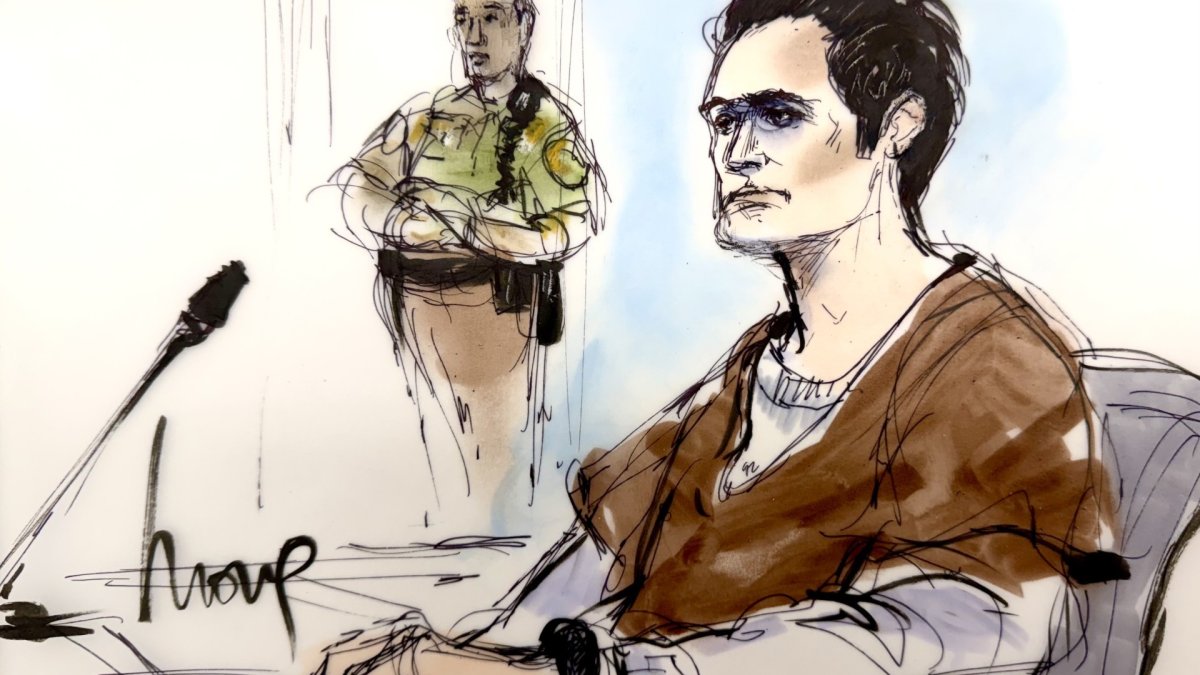
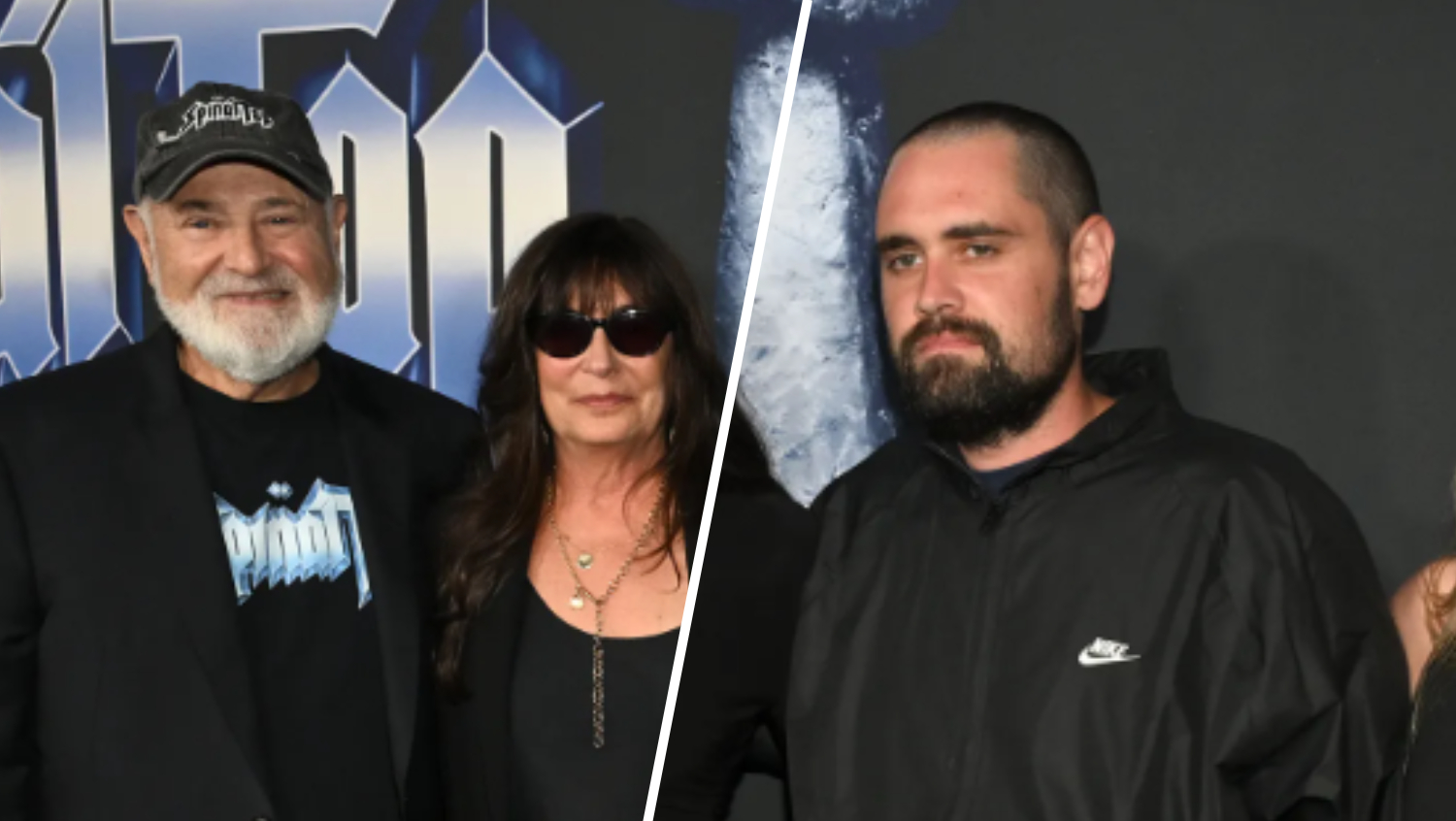
Nick Reiner says his constitutional right to be represented by a defense lawyer of his own choosing is being violated by administrators of his childhood trust fund who’ve refused to issue a $558,000 payment he was owed in 2023, two years before he’s accused of murdering his parents, Rob and Michele Reiner.
Nick has pleaded not guilty to a grand jury indictment that accuses him of using a knife to carry out the killings last December inside his family’s home in Brentwood, and he’s denied a special circumstance allegation that he was lying in wait before the attack. He is currently represented in criminal court by a deputy public defender.
Reiner has said in court papers he wants access to the money in order to re-hire defense attorney Alan Jackson, who briefly represented Reiner but withdrew from the case because Reiner was unable to pay him.
Recent court filings from attorneys representing Reiner in LA probate court point to a 2016 U.Ss Supreme Court opinion that a criminal defendant has the right to be represented by an attorney “whom the defendant can afford.” The filings also say Reiner’s money is being unjustly held up by the trustee.
“The Court emphasized that the right is ‘fundamental,’ and that ‘[d]eprivation of the right to counsel of choice’ is ‘complete’ when the defendant is erroneously prevented from being represented by the lawyer he wants,” attorney Anita Wu said in the filing.
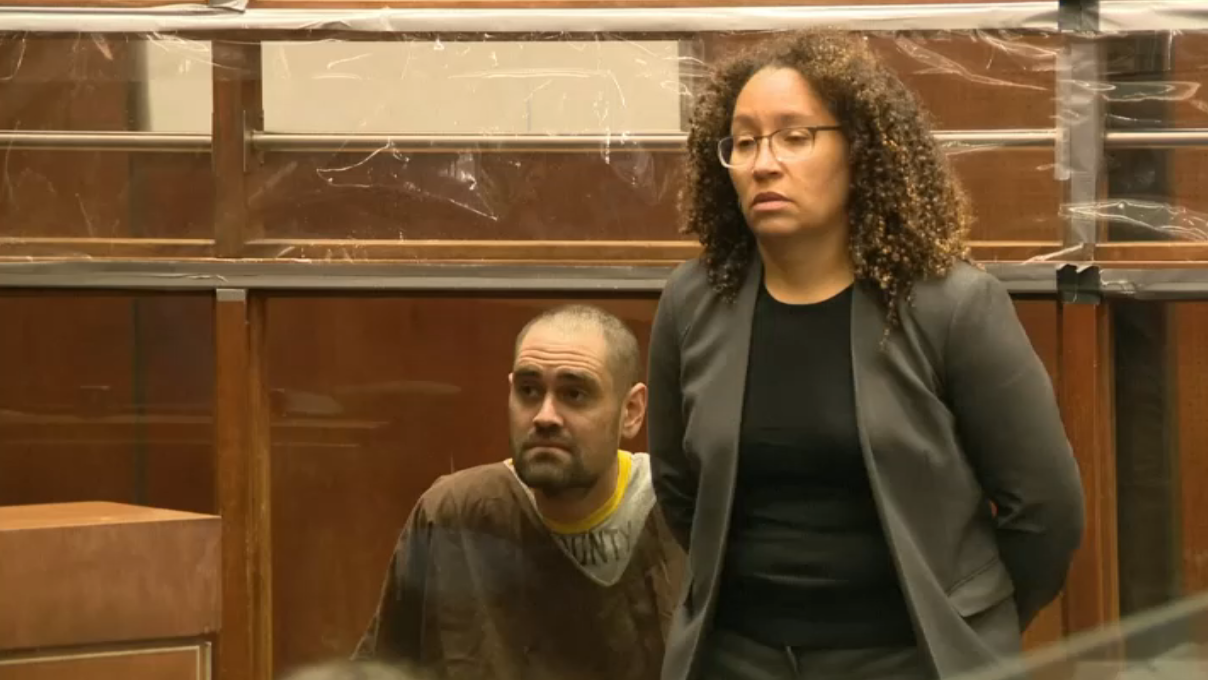
In other court documents and in statements at a hearing over the summer, Reiner’s probate lawyers said the trust’s language is clear and unambiguous: the trust was to release the first of two distributions of money on Reiner’s 30th birthday, which was in 2023.
“Whether Nick feloniously and intentionally killed his parents is not before this Court, and he agrees that question should not be litigated here while the criminal case is pending,” Wu wrote. “But whether he may defend himself with his own money cannot wait for that answer.”
The judge in probate court is expected to hear argument in late October.
The trustees managing the fund, set up for Nick Reiner when he was a child, have argued that California’s so-called “slayer statute” would prevent the release of the money should Reiner be adjudicated as the person responsible for the deaths of his parents, and that Reiner consented to the money remaining in a trust account when he didn’t demand it when it was due.
“That distribution was mandatory, unconditional, and immediately due,” Nick Reiner’s probate attorney Wu wrote in a Sept. 17 filing.
“If Nick had received the distribution when it was due, the Slayer Statute could not now require him to return it. The Trustee’s failure to pay on time does not change that,” she wrote.
The new court filings from Nick Reiner estimated the fund had contained approximately $1.6 million but said that amount was dwindling because attorneys representing the trustees in opposing the payment have drawn about $350,000 out of the account to pay themselves.
Additionally, Reiner’s attorneys said they believe some of the money in the trust account came from his grandfather, Carl Reiner, and that the “slayer statute”‘” was meant to prohibit inheritances being paid upon someone’s death, not to stop payments from funds that aren’t contingent on a person’s passing.
Reiner appeared in criminal court last week and agreed to an indefinite delay to the start of a trial in the murder case.
Before that hearing LA County District Attorney Nathan Hochman announced his office would not seek a death sentence, meaning if Reiner was convicted he could face a maximum sentence of life in prison without the possibility of parole.