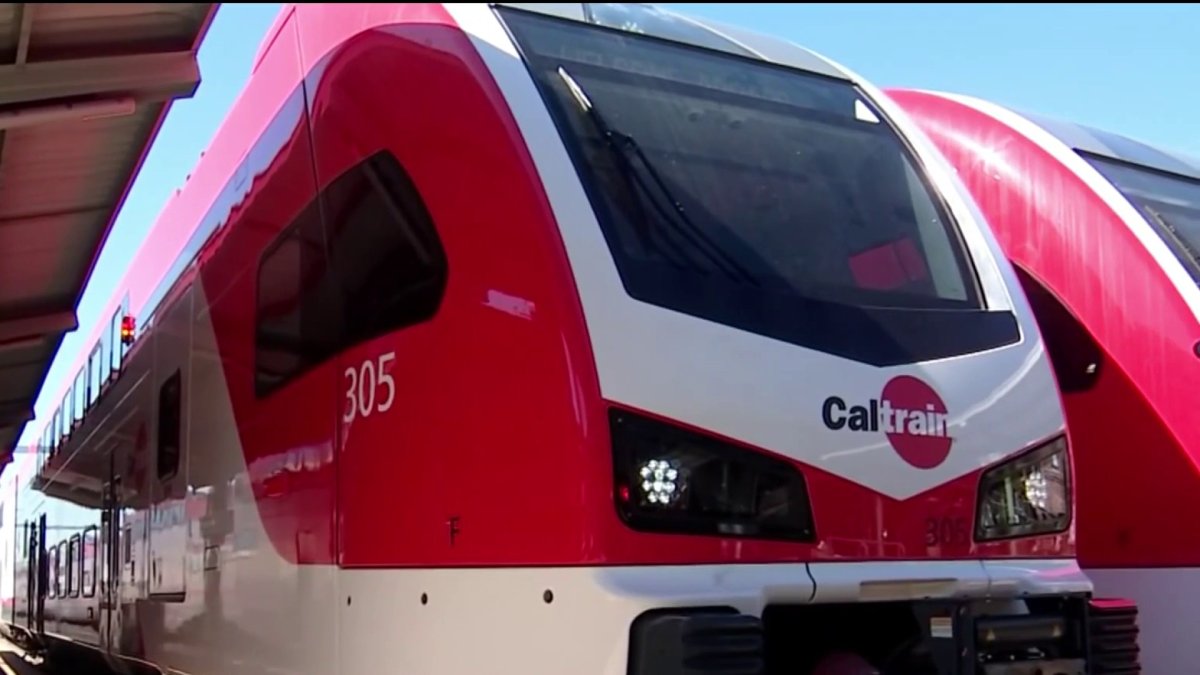
Officials with Caltrain warned that the train agency could be forced to close a lot of its operations without a new long-term funding source, raising concerns about the future of one of the Bay Area’s key commuter rail systems.
The Peninsula Corridor Joint Powers Board, which operates Caltrain, outlined the potential cuts during a budget workshop Thursday, saying the agency faces a projected average annual deficit of about $75 million from fiscal years 2027 through 2041 if outside funding does not materialize.
Under a worst-case scenario that transit officials presented to the board, Caltrain could shut more than one-third of its stations, end weekend service, reduce trains to hourly runs, stop service by 9 p.m., and cut some route segments altogether.
Executive Director Michelle Bouchard said the agency’s structural funding gap cannot be solved through efficiencies alone.
“Without a stable, long-term funding solution, we will be forced to make difficult decisions that would significantly reduce service and impact the communities that rely on Caltrain every day,” Bouchard said in a statement released by the agency.
Board chair Rico Medina said ridership has been recovering as the system expands service following the rollout of electric trains in 2024.
“But the reality is that the service that has been such a success will be in jeopardy if our funding picture does not improve this year,” he said.
Senate Bill 63 authorized the creation of a five-county transit revenue measure district that could place a funding measure on the November 2026 ballot, and supporters have already begun collecting signatures for a citizen initiative tied to the proposal.
Caltrain officials said the rail system currently carries the equivalent of three lanes of traffic on U.S. Highway 101 in California each day. They warned that service reductions could add roughly 36,000 daily car trips and increase pollution by about 220 metric tons of carbon dioxide per day.
The agency said ridership rose 47% in 2025 compared with the previous year, saying it is the fastest-growing transit agency in the United States, helped by faster and more frequent service after electrification of their trains.
Transit officials said rising remote work and high fixed costs tied to maintaining electric infrastructure mean new funding will be needed to avoid cuts that could affect tens of thousands of riders and businesses along the Peninsula corridor.