The countdown is on.
Nearly 60 years after astronauts Frank Borman, William A. Anders and James A. Lovell Jr., made history as the first humans to see the far side of the moon during the Apollo 8 mission, NASA is set to make another trailblazing lunar trip.
The Artemis II mission is sending four astronauts — including the first woman, first person of color and first non-American — on a lunar fly around, taking them farther in space than ever before.
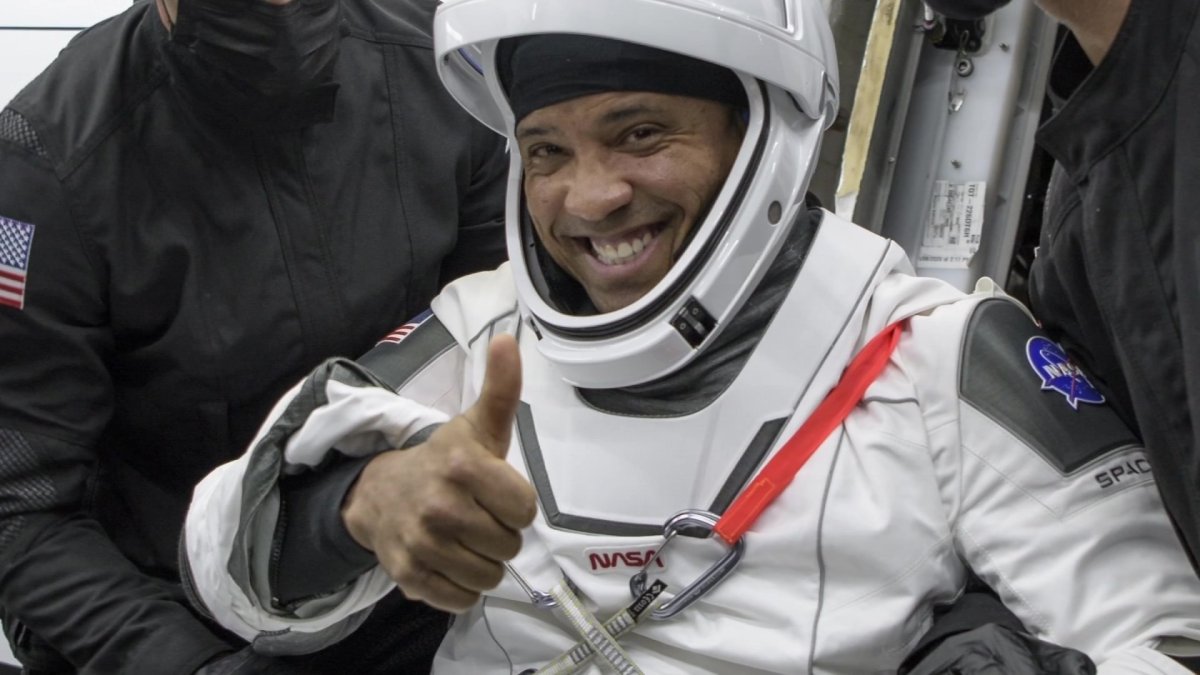
Astronauts Reid Wiseman, Victor Glover, Christina Koch and Jeremy Hansen will blast off Wednesday evening from the Kennedy Space Center in Florida. The two-hour launch window begins at 6:24 p.m. ET. (Watch live coverage in the video player above.)
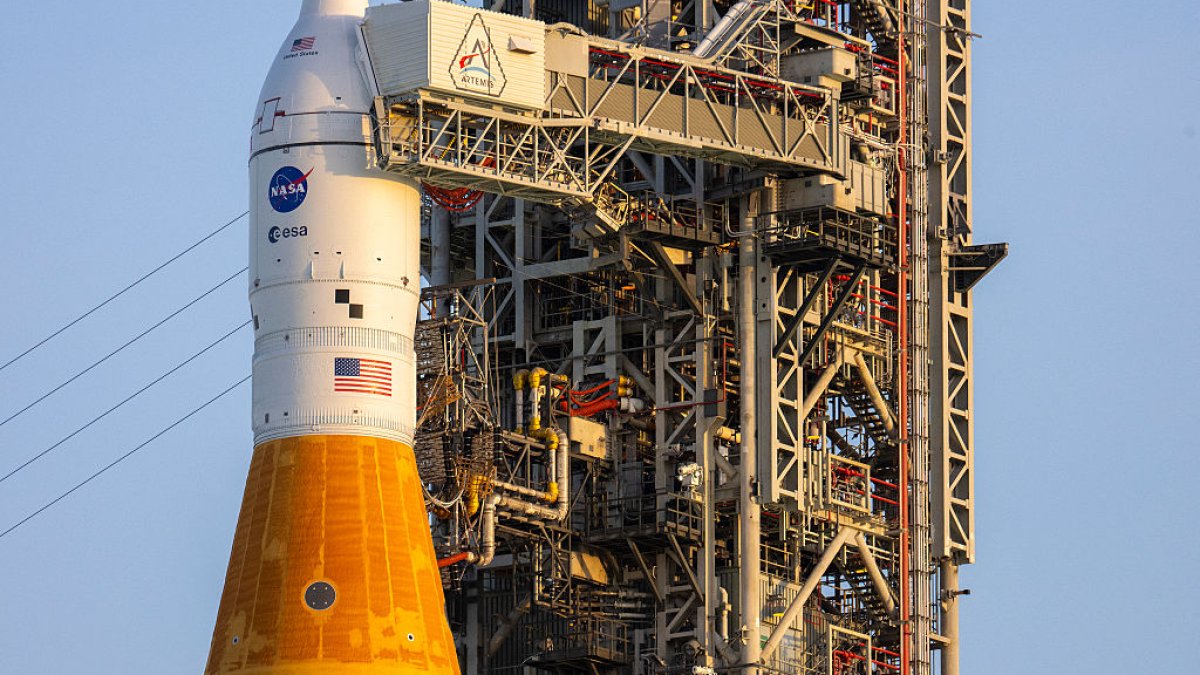
Final preparations were underway after the launch team loaded more than 700,000 gallons of fuel into the 32-story Space Launch System rocket on the pad. The astronauts arrived at Launch Pad 39B at the Kennedy Space Center Wednesday afternoon after a 20-minute drive in the astrovan, flanked by convoy of SUVs with flashing lights.
Around 2:20 p.m. ET, the astronauts took an elevator up the fixed service structure on the launch pad, then walked down the crew access arm to a space known as the “White Room.” That will be their final stop before climbing aboard the Orion spacecraft, which is perched atop NASA’s Space Launch System rocket.
Thousands of spectators from around the world have poured into Florida’s Space Coast to watch the launch, with some space enthusiasts camping out overnight near the Kennedy Space Center. Jetty Park in Cape Canaveral sold out for the launch.
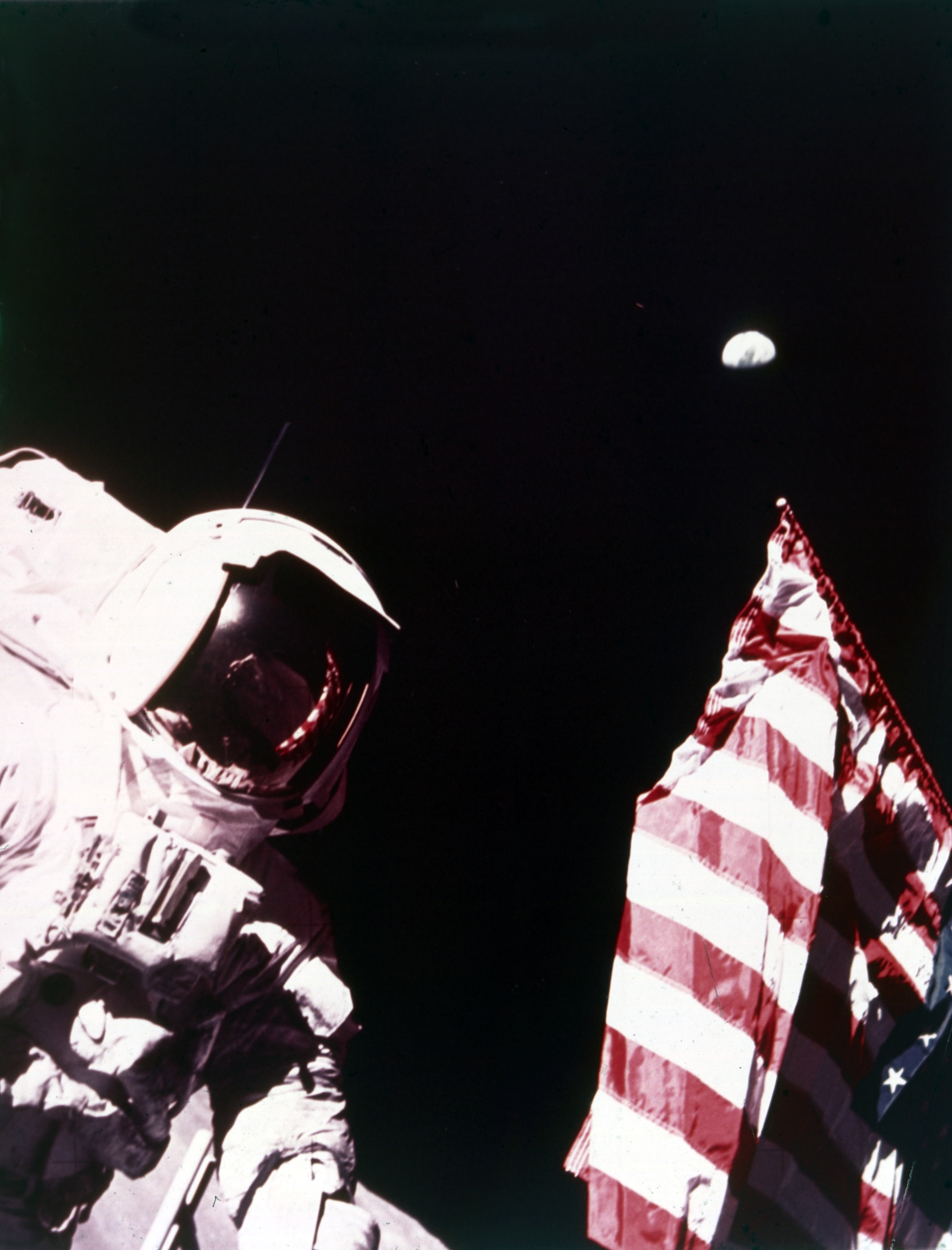
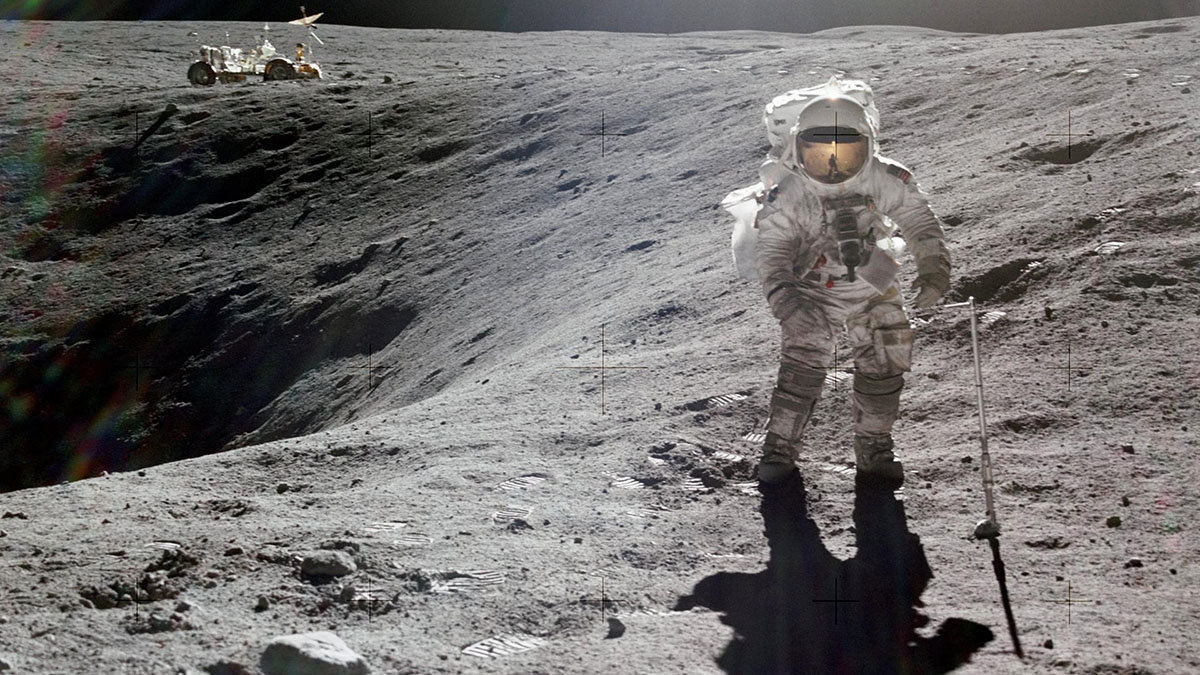
Wednesday’s flight marks humanity’s first trip to the moon since the Apollo program ended in 1972. If successful, it will pave the way for Artemis IV, NASA’s first crewed moon landing since Apollo 17 in December 1972, and eventually a sustained presence on the moon and human exploration to Mars and beyond.
Here’s everything to know about the Artemis program, the lunar missions and what’s next for NASA:
What is the Artemis program?
The Artemis program is a multi-mission space campaign that will set the stage for astronauts to return to the lunar surface, “and for a long-term presence at the moon that will enable future crewed missions to Mars,” according to NASA.
The “Moon to Mars” plan involves establishing a new space station in lunar orbit and, eventually, a habitable Artemis base camp on the surface of the moon’s south pole to help support more deep space exploration.
NASA has announced five key missions in the Artemis program, with one completed so far. While these missions are mainly focused on lunar exploration, NASA says it plans on using the technology and research developed during the Artemis space flights to make the next giant leap for mankind: sending astronauts on a mission to Mars.
The first mission, Artemis I, launched on November 2022 to test NASA’s new mega moon rocket, the Space Launch System, and the Orion capsule. The uncrewed flight went on a 25-day journey to the moon and back.
What is the purpose of the Artemis II mission?
NASA will launch four astronauts on a lunar flyby, carrying them farther into the solar system than any human has traveled. NASA said the mission will inform researchers on how deep space travel impacts the human body.
The astronauts won’t orbit the moon or even attempt to land on it. That will happen with the Artemis IV mission, which aims to put the first female astronaut and the first astronaut of color on the surface of the moon by 2028.
Instead, they’ll hurtle several thousand miles beyond the moon, hang a U-turn and then come straight back.
How will Artemis II fly around the moon?
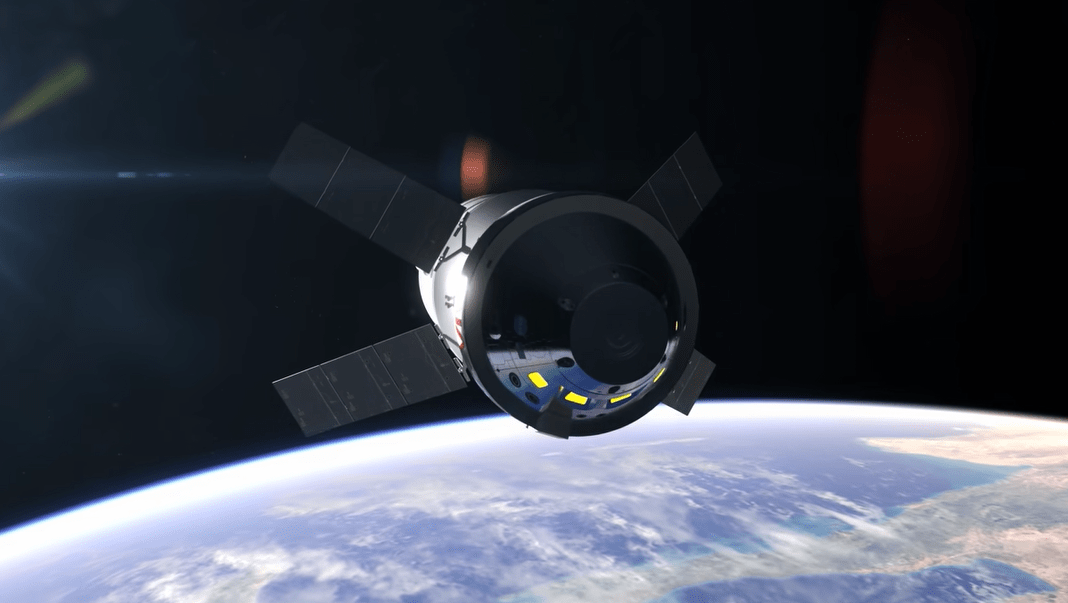
After liftoff, the astronauts will spend the first 25 hours circling Earth in a high, lopsided orbit. They’ll use the separated upper stage as a target, steering their Orion capsule around it as docking practice for future moonshots. Instead of fancy range finders, they’ll rely on their eyes to judge the gap, venturing no closer than 33 feet to the stage.
If all goes as planned, Orion’s main engine will hurl the crew to the moon some 244,000 miles away. This free-return trajectory made famous in Apollo 13 relies on the moon and Earth’s gravity, minimizing the need for fuel.
On flight day six, Orion will reach its farthermost point from Earth as it sails 5,000 miles beyond the moon. That will surpass Apollo 13’s distance record, making Artemis astronauts the most remote travelers.
When will Artemis II astronauts return to Earth?
After emerging from behind the moon, the crew will head straight home with a splashdown homecoming into the Pacific on flight day 10 — nine days, one hour and 46 minutes after liftoff.
Navy recovery ships will be stationed off the coast of San Diego as Orion parachutes into the ocean.
What will the Artemis II astronauts eat during their mission?
With no stove or refrigerator on board, what do astronauts eat to sustain themselves on a trip around the moon?
According to NASA, the food selection is developed to support calorie needs, hydration and nutrient intake, while taking into account individual crew preferences. Meals must be shelf-stable and easy to consume.
The food items on the menu include vegetable quiche, breakfast sausage, couscous with nuts, mango salad, granola with blueberries, barbecue beef brisket, broccoli au gratin, macaroni and cheese, spicy green beans, fruit salad, cauliflower and tortillas. Each astronaut is allotted two flavored beverages per day, which include coffee, tea, chocolate and vanilla shakes, apple cider, lemonade and mango-peach smoothie.
To satisfy their sweet tooth, NASA is sending up cookies, cobbler, cake, chocolate and candy-coated almonds.
NASA’s new Space Launch System rocket and Orion capsule
Standing 322 feet tall, the Space Launch System is described as the “most powerful rocket in the world,” using a core stage and twin strap-on boosters loaded with nearly 1 million gallons of super-cold liquid hydrogen and oxygen. It helped launch the Orion capsule farther than any spacecraft built for humans has ever flown, according to NASA. The previous record — 248,655 miles — was set during the Apollo 13 mission in 1970.
While no one was inside Orion — named after the constellation, among the night sky’s brightest — for the lunar test flight, NASA sent three full-size mannequins swarming with sensors to measure cosmic radiation and vibration.
The capsule used the moon’s gravitational pull to fly around its lunar orbit for 25 days, before it was flung on a trajectory back toward Earth for a splashdown in the Pacific Ocean. However, the capsule returned with an excessively charred and eroded bottom heat shield, damaged from the heat of reentry. It took until nearly two years for engineers to pinpoint the cause and come up with a plan. The heat shield is being retooled for future capsules but remains the original design for Artemis II. NASA is limiting the heat exposure during reentry by shortening the capsule’s atmospheric descent.
The SLS rocket also faced several setbacks even before it was launched. Hydrogen leaks repeatedly grounded the shuttles and delayed the launch of the Artemis I mission. Three years later, Artemis II suffered the same hydrogen leaks during a February fueling practice run, missing the first launch window and bumping the mission into April.
Why are we going back to the moon?
Exploring the lunar surface will help NASA learn more about the sun, our planet and the solar system, and how humans can survive and thrive in a partial gravity environment — information that will then be used to develop equipment for a sustained presence on and around the moon. This includes life support and communications systems in order to deploy astronauts to the moon for extended stays.
This infrastructure will eventually be used as an outpost to resupply and refuel deep space exploration to the Red Planet and beyond.
Why is the program called Artemis?
Artemis is the mythological Greek goddess of the moon and Apollo’s twin sister. Apollo is also the namesake the space agency’s third lunar program, which ran from 1968 to 1972, and landed the first humans on the moon five decades ago.
The Associated Press contributed to this report.