Tackling an issue with huge ramifications for both the economy and the structure of government, the Supreme Court on Wednesday considers President Donald Trump’s attempt to oust Federal Reserve board member Lisa Cook.
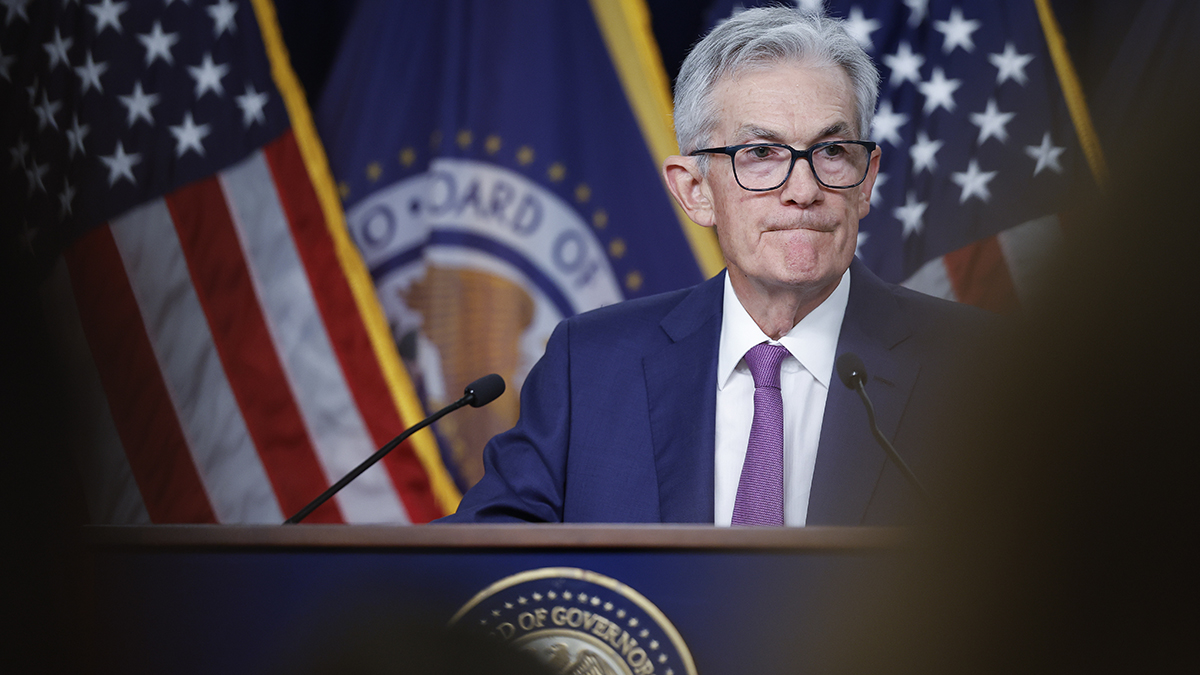
With Trump seeking to exert control over the central bank, which, among other things, sets interest rates, the case has taken on even greater importance after it emerged that the Justice Department is investigating Federal Reserve Chair Jerome Powell.
Congress set up the Federal Reserve to be independent, so it would not be influenced by immediate political concerns in fulfilling its mandate to maintain price stability and low unemployment.
Under the Federal Reserve Act, presidents are restricted from removing governors unless it is “for cause,” meaning there is evidence of wrongdoing.
Trump has said he wants to fire Cook for cause, over allegations of mortgage fraud made by one of his political appointees, Federal Housing Finance Agency Director Bill Pulte. Cook has denied the allegations, and bank documents obtained by NBC News appear to contradict the fraud claim.
The Supreme Court in October refused to allow Trump to fire Cook immediately, instead scheduling oral arguments in the case, suggesting the administration may face an uphill battle over his claim that the decision to remove her cannot be challenged in court.
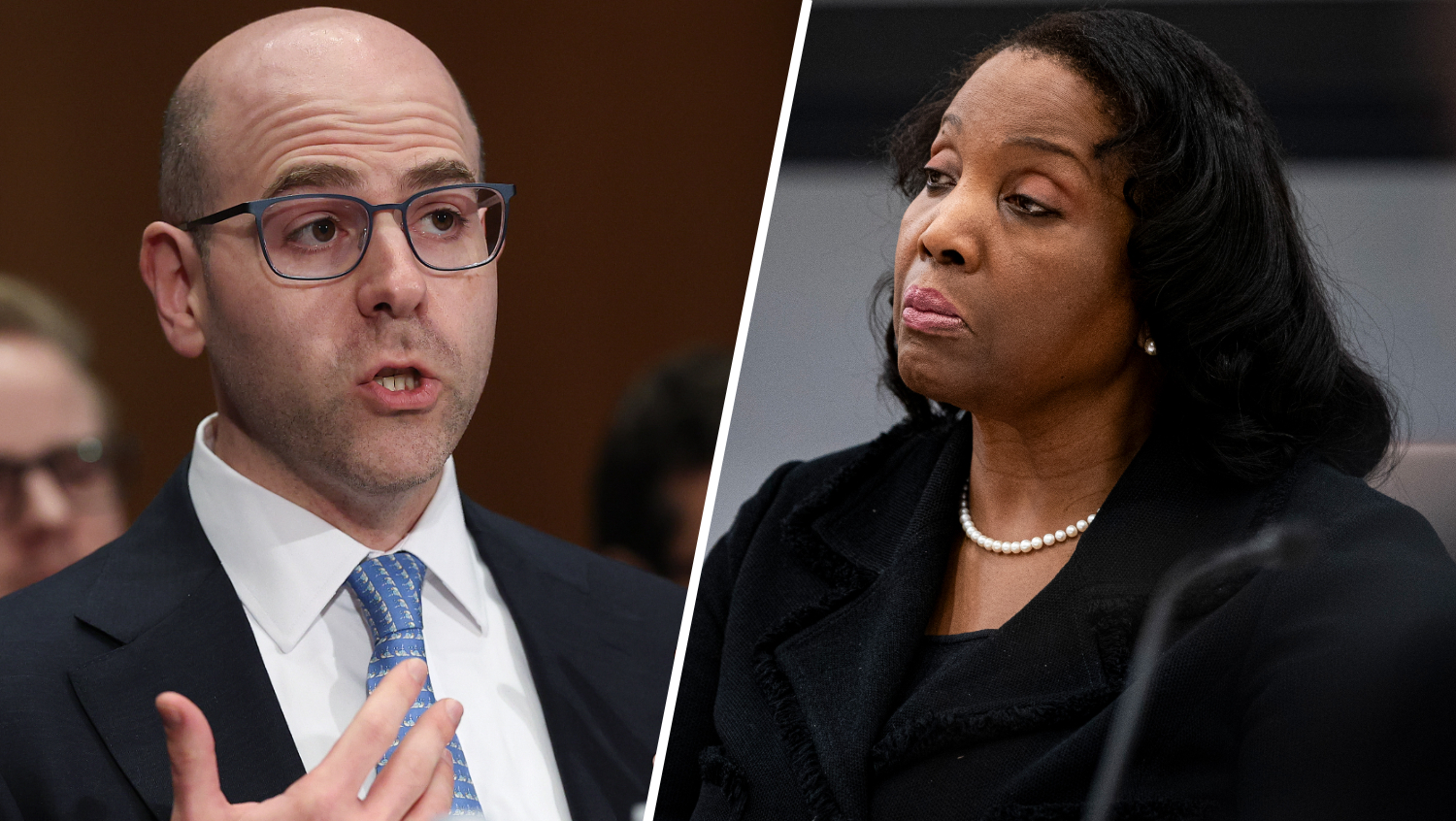
Cook’s lawyers argue she should have notice and a chance to rebut Trump’s stated reasons for firing her before she can be removed. They say Trump’s rationale does not meet the threshold for “for cause” removal.
Solicitor General D. John Sauer, representing the Trump administration, says in court papers that Cook has no right to any kind of hearing challenging her firing. It is up to the president alone to decide whether the “for cause” hurdle is met under the powers allocated to him under Section 2 of the Constitution, he said.
Powell is expected to attend Wednesday’s argument.
Trump has long been critical of the Fed, and Powell in particular, for not doing more to lower interest rates, though he originally appointed Powell to the position in 2017.
Trump has not moved to fire Powell, though the Justice Department investigation, related to testimony Powell gave to Congress about refurbishments at the Fed’s headquarters in Washington, could similarly give him a reason. Although Powell’s term as chair ends in May, he could stay as a board member until 2028.
President Joe Biden appointed Cook to a term that ends in 2038.

The Trump administration’s handling of Cook and Powell has raised alarm among former Fed officials and Trump critics who say the Federal Reserve must maintain its independence to be effective and fear it could be directly controlled by the White House.
“We are in an unprecedented moment right now. President Donald Trump is doing everything he can to take over America’s central bank so that it works for him, along with his billionaire friends,” Sen. Elizabeth Warren, D-Mass., told reporters last week.
While Warren has been a critic of Fed policies that she sees as favoring Wall Street and big banks, she added, “I think we can all agree that the Fed works best when its decisions are based on data.”
Economists warn that lower rates in the short term to achieve Trump’s political goals could have negative long-term consequences.
“This is how monetary policy is made in emerging markets with weak institutions, with highly negative consequences for inflation and the functioning of their economies more broadly,” former Fed chairs and other former senior officials said in a joint statement issued in light of the Powell investigation.
Since he started his second term a year ago, Trump has waged war on what have previously been known as independent agencies set up by Congress to be protected from political influence by firing various members despite “for cause” protections, including the Federal Trade Commission and the National Labor Relations Board.
The Supreme Court has allowed those firings, but in a May decision, it suggested that the Federal Reserve might be treated differently. The court noted then that the Federal Reserve is a “uniquely structured, quasi-private entity” that has its own historical tradition.