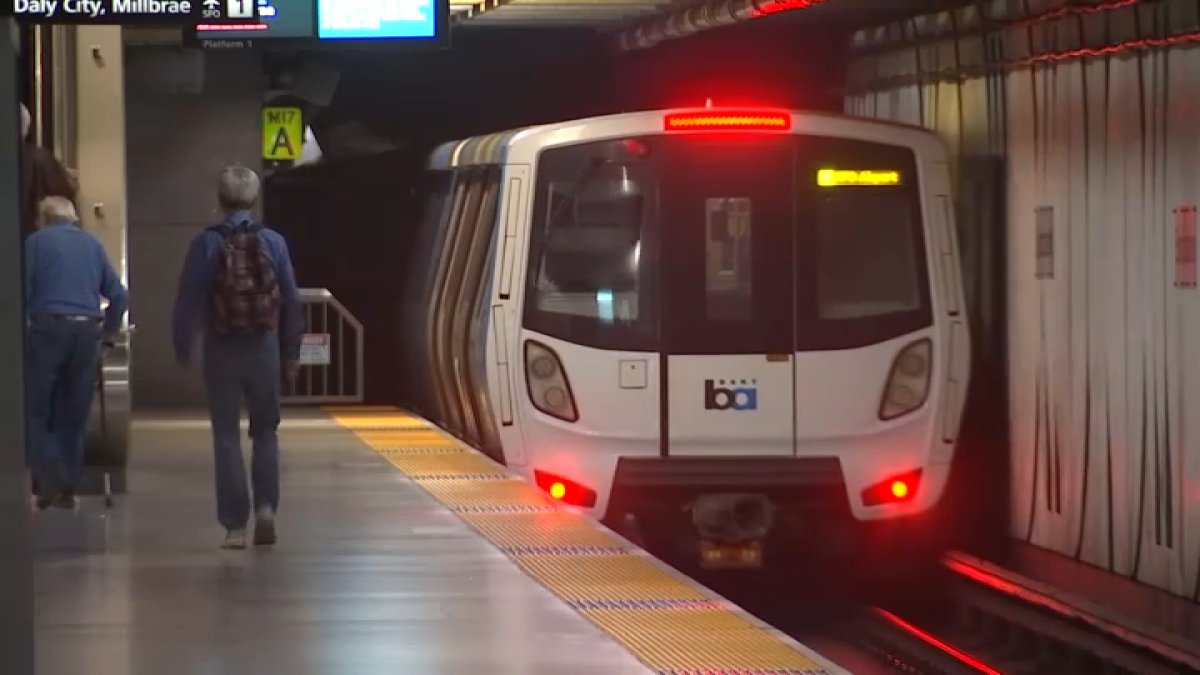
An outside review commissioned by BART found environmental factors – like dust buildup and water intrusion – played a common role in the recent string of smoky mishaps and flash explosions in the subway system, according to findings filed with the transit agency’s governing board.
BART commissioned the $1.5 million analysis by Parsons Transportation Group into the string of mishaps that began Aug. 29, when a BART train was forced to stop after an insulator exploded, filling the Transbay Tube with smoke. The board is expected to be briefed on the findings during its meeting Thursday.
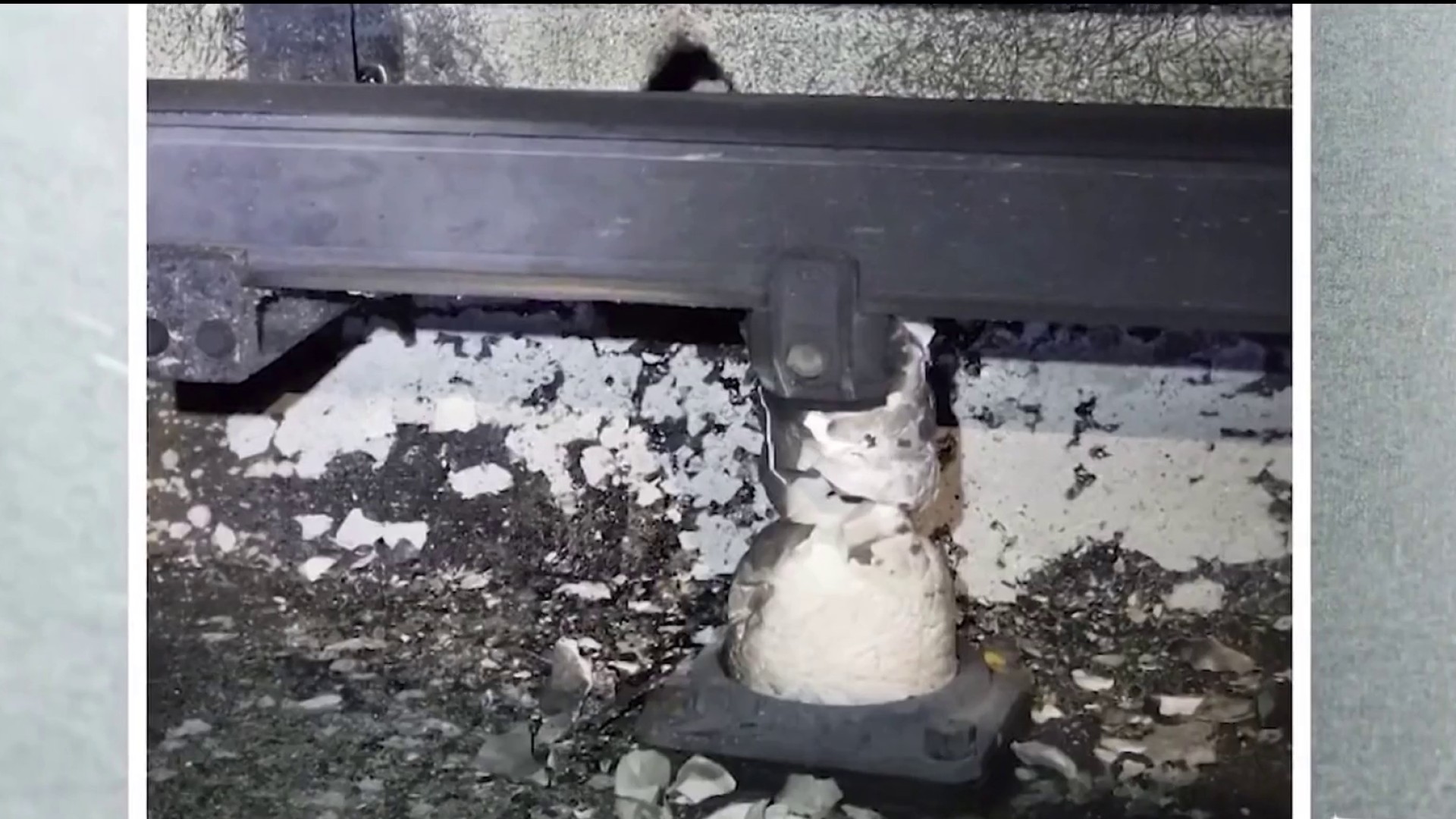
NBC Bay Area’s Investigative Unit has reported that the incidents came five years after BART stopped cleaning off metallic dust known to collect over time on subway insulators. The dust is known to interfere with the role of insulators to prevent current from flowing into the ground from the high voltage third rail.
BART had been cleaning the insulators since identifying the risk in 2015 but stopped in 2020, explaining later that it had concerns about the cleaning method potentially damaging the ceramic surface of the insulators. That decision came despite findings from its own engineers in 2015 that the dust had sparked two earlier arc flashes in BART’s system.
While not specifically blaming that dust for any of the mishaps it reviewed, the Parsons Transportation team listed generic environmental factors – which the engineers defined as either metallic dust, or water intrusion, or both – as playing a role in seven of the incidents the group studied. Other factors included unexplained power surges that occurred at the same time as the insulator flashes.
The team blamed an eighth incident, which involved sparking at Lake Merritt in September, on human factors and is still probing what caused the Dec. 8 insulator flashover event at Montgomery station.
The team ordered an inspection of the blown insulators that found “normal aging and environmental exposure expected within tunnel installations,” according to the summary of the findings.
The team noted, meanwhile, that BART engineers had disabled or removed key safety protections leading up to the string of mishaps.
In one case, BART removed so-called crossbonds – wires that function to share power by linking the two sets of tracks running through the Transbay Tube. The removal of those bonds, according to the report, was done to better protect workers doing a now-complete seismic retrofit of the tunnel. But experts say removing it, even temporarily, posed a threat of throwing the underground electrical system out of balance, leading to arcing.
In November, however, BART restored the power balancing system, according to the study’s findings.
Separately, the analysis noted another act by BART that may have played a role in the incidents. It noted that BART “disabled” sensors designed to protect the system by shutting down circuits during power surges. BART turned off its advanced protection measures, however, hoping to avoid nuisance trips of the breaker system, as a result, “relying only on basic breaker protection”, according to the study.
The outside engineers noted that BART has since upgraded that circuit protection system by installing new equipment to better protect the system against power surges.