Protein is an essential nutrient throughout life. But where you choose to get your protein matters, too.
Some protein sources, particularly red and processed meats, aren’t as good for you as other options. And some may even contribute to health risks if you eat them too often.
How often is it healthy to eat red meat? There aren’t a lot of specific guidelines out there, says Natalie Rizzo, registered dietitian and TODAY nutrition editor. But her general guideline can help you figure out how often it makes sense for you to have this particular type of protein.
Dietitian tip of the day: Limit red meat to this much each week
Rizzo generally recommends people limit red meat to just one serving a week.
This is just “my personal recommendation,” she notes. “There’s no official recommendation out there for how much red meat you should have, but I always say to keep it to a minimum because it has a lot of saturated fat.”
Why it matters
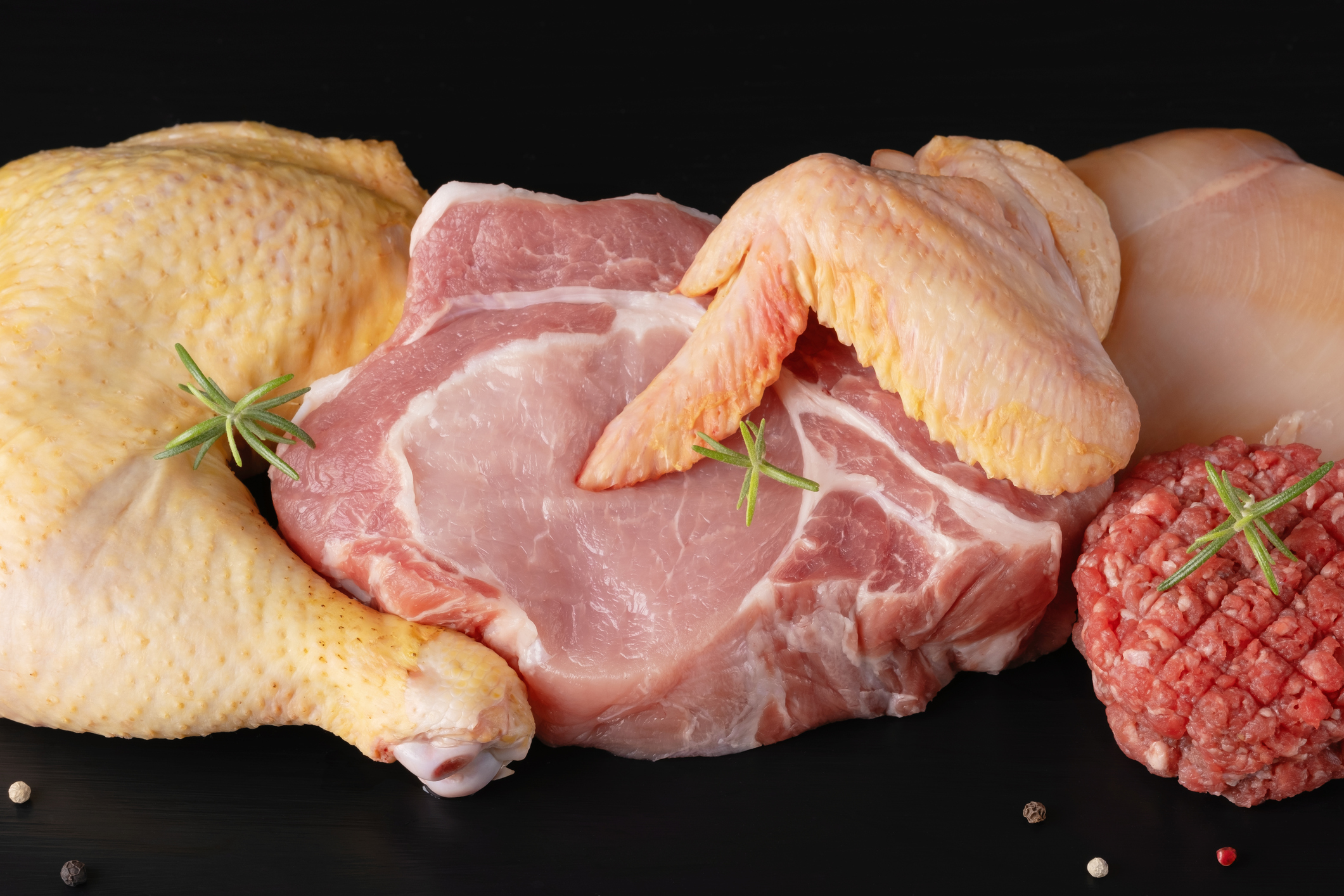
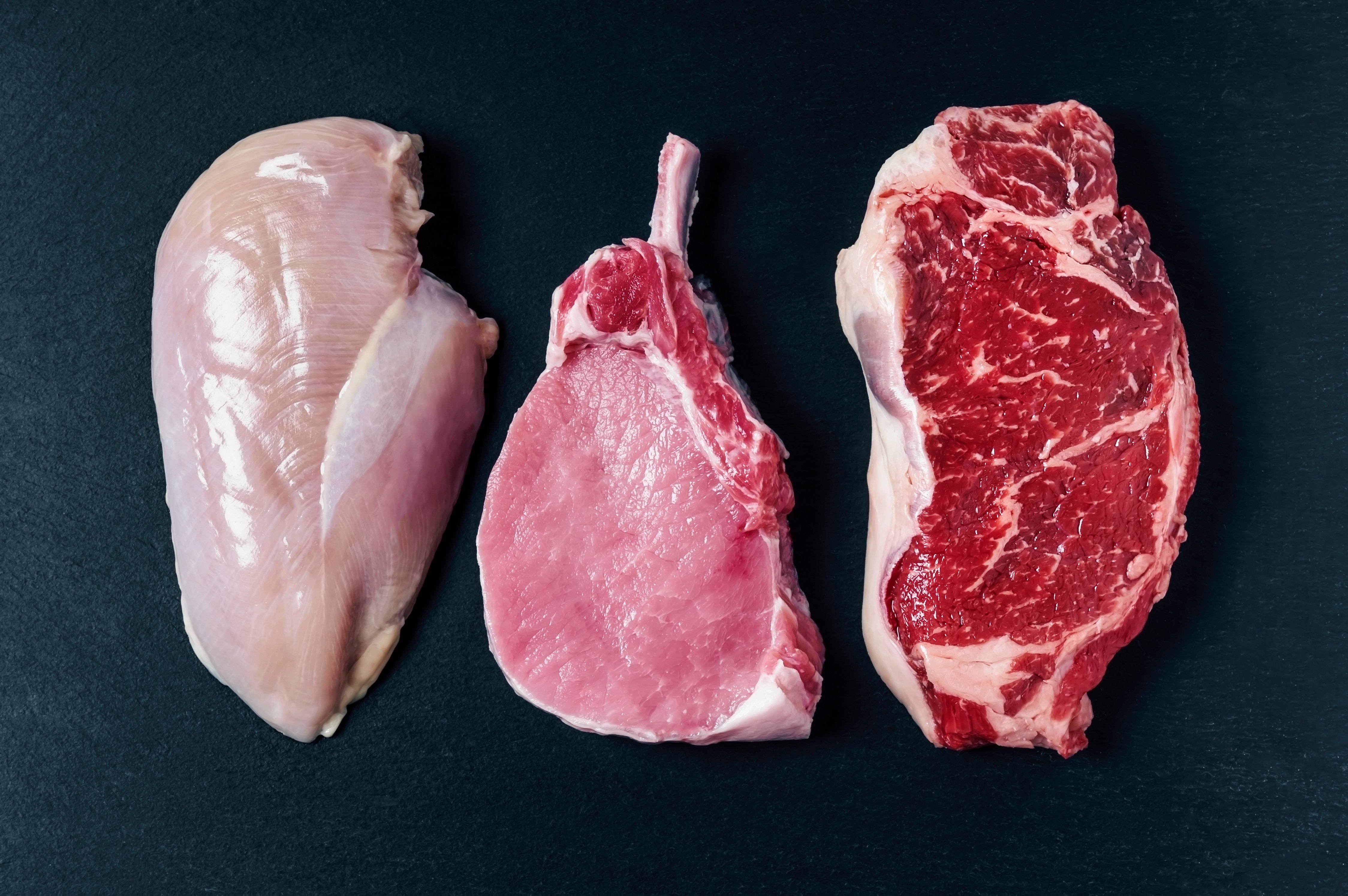
Red meat generally includes foods like beef, pork and lamb. These tend to be higher in saturated fat, and diets high in red meat have been linked to an increased risk for heart disease, as well as colorectal cancer.
Of course, the specific amount of saturated fat in a portion of meat depends on the type, size and cut. Your cooking method can affect the health profile of your meal, too.
But, generally, expert groups recommend eating less meat — especially red and processed meat — and leaning more on plant sources of protein.
The latest guidelines from the American Heart Association also recommend generally shifting from meat to plant protein sources, like beans, legumes and nuts, while also incorporating fish and seafood.
Similarly, the American Cancer Society does not have a specific recommendation for the amount of red meat to eat per week. Instead, the ACS recommends opting for protein sources like poultry, fish or plant-based proteins most of the time and keeping red and processed meats to a minimum.
Plant proteins don’t contain any saturated fat but do provide nutrients like fiber and antioxidants that aren’t in animal sources of protein. Meanwhile, fish and seafood provide healthy omega-3 fatty acids that support both heart and brain health.
How to get started
Diets high in red meat are associated with higher risks for cardiovascular disease, the AHA says. But the effects of reducing your red meat consumption depend on what you replace it with, the organization notes.
Both the AHA and ACS recommend choosing lean or plant-based protein sources most of the time, such as:
- Chicken
- Turkey
- Fish and other seafood
- Beans
- Peas
- Lentils
- Nuts
- Soy
- Low-fat dairy, such as Greek yogurt, milk or kefir
If you’re just dipping your toes into plant proteins, Rizzo recommends starting with beans, especially black beans. Or, if you’re really trying to max out your protein intake, reach for edamame.
Beans are “the easiest plant-based protein because they’re already in foods we know and love,” she said, “like chili, tacos, hummus, soups and stews. And most people already like the taste and texture.”
This story first appeared on TODAY.com. More from TODAY: