The debate over data center growth in Texas is reaching the state level as lawmakers examine whether tax incentives and oversight of the industry are still serving the state’s interests.
Members of the Texas Senate Finance Committee on Tuesday discussed issues, including how closely the state’s 138 data centers are monitored after receiving sales tax exemptions on equipment and electricity.
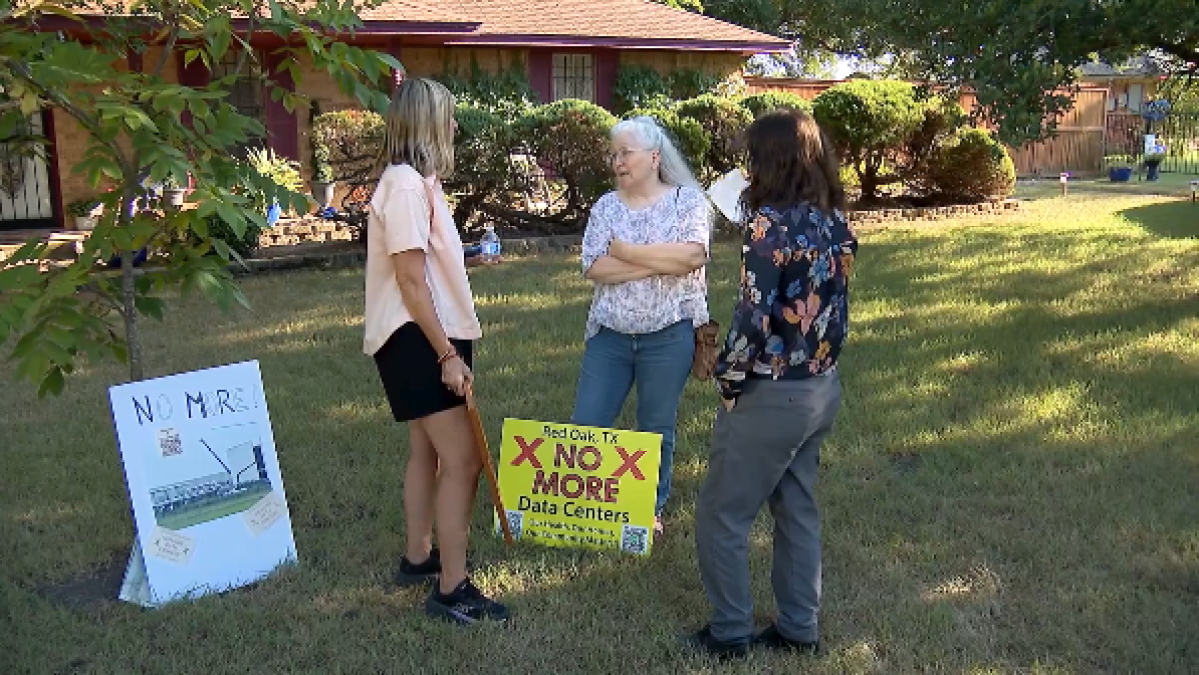
The discussion comes as residents in Red Oak continue pushing back against the rapid expansion of data centers in their community.
The city, which has experienced a data center boom, recently approved rezoning more than 800 acres for another large project.
“I have two acres back here that I’ve enjoyed having family at over the years. And if that noisy data center comes, if it’s like those ones in Virginia and elsewhere, it’s going to be bad,” said Red Oak resident Cindy Stephenson.
Residents opposed to the projects say the pace and scale of development have left many feeling unheard.
“So many people from all walks of life are feeling like we need to do something about this because we’re not feeling heard,” said Lacey Hamel. “We have to do something better than what we have now. The patchwork process we have right now is not going to protect Texas and its resources.”
Groups opposing data centers are now petitioning the state to impose a moratorium on new projects.
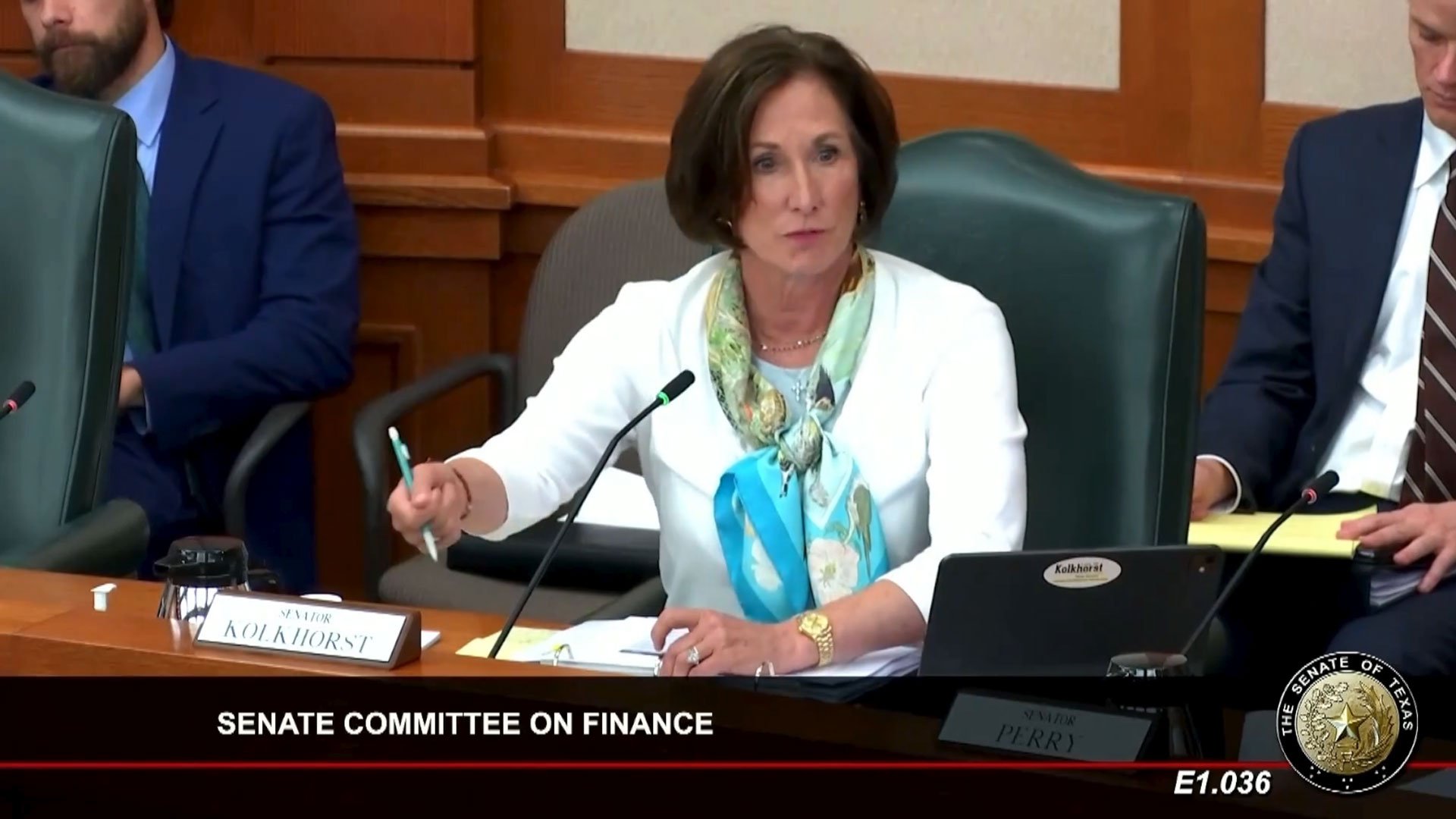
At the Capitol, lawmakers questioned whether sales tax exemptions approved years ago continue to benefit the state and discussed how data centers are monitored.
Supporters of the industry welcomed the discussion on policies and standards and argued that data centers help create jobs and economic opportunities across Texas.
“As other states continue competing for these investments, maintaining a stable and competitive environment will help ensure that Texas continues to receive those benefits for years to come,” Dan Diorio with the Data Center Coalition.
Red Oak’s city manager previously said a proposed new facility would use technology designed to reduce environmental impacts.
Still, many residents remain unconvinced and say regulations have not kept pace with development.
“How can we plan for the future when things are happening faster than the regulations, with the rules, with the guardrails and safeguards, can keep up with?” Hamel said.
This story was originally reported for broadcast by NBC DFW. AI tools helped convert the story into a digital article, and an NBC DFW journalist edited it again before publication.