East Haven fire officials are urging residents to make sure their carbon monoxide alarms are installed and functional after a man was found dead in his home Thursday.
Firefighters were called to a home on Salvatore Drive on the report of an unconscious person. When they got to the scene, crews were met by family members of the man who was believed to be dead inside the home.
As firefighters initially entered the home, their carbon monoxide detectors, equipped in their medical equipment bags, began alerting them to dangerous levels inside the house.
According to officials, readings inside the home exceeded 500 parts per million (ppm) in some locations. The average amount in a home is anywhere from .5 ppm to 5 ppm according to the EPA.
Fire crews immediately withdrew from the home and donned protective equipment before re-entering to find the man.
Officials said the man was found dead in his bed and could not be resuscitated.
Firefighters noted that a water heater appeared to be improperly installed and may have been the source of the high level of gas. Officials said there was a carbon monoxide detector in the man’s home, but it did not have a battery.
The cause and manner of death will be investigated by the Office of the Chief Medical Examiner. The investigation was also turned over to the East Haven Police Department.
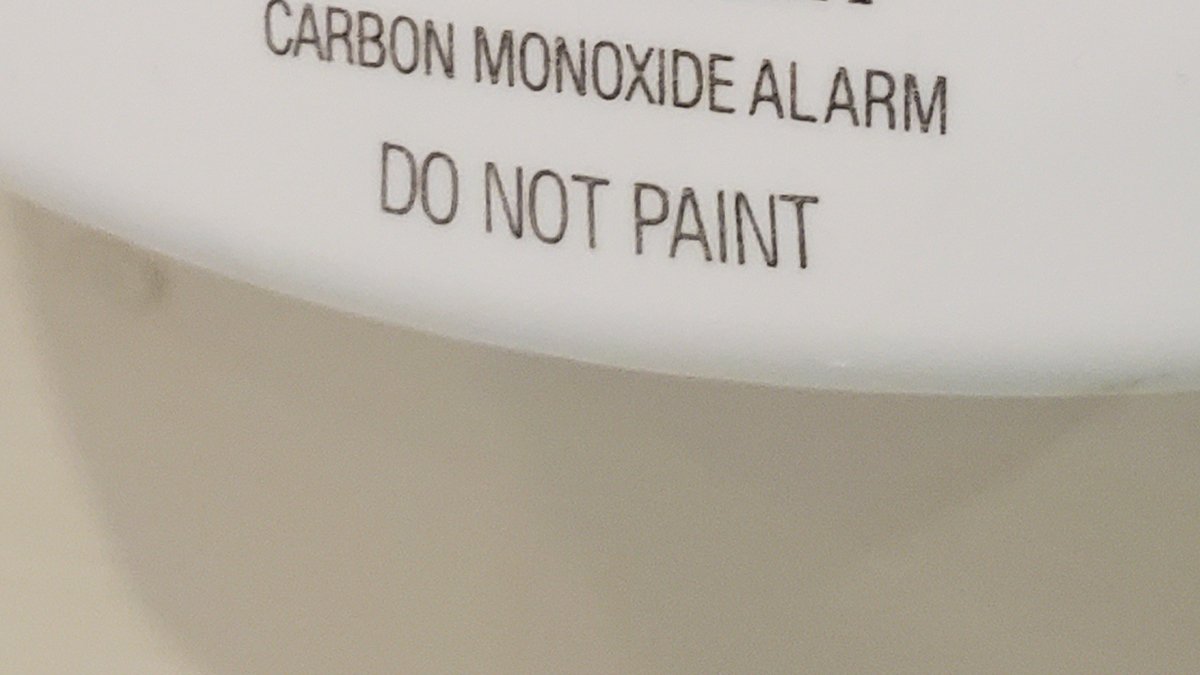
“This incident is a tragic reminder that carbon monoxide is a silent and potentially deadly threat. In this case, the carbon monoxide detectors carried by our firefighters provided an immediate warning of the dangerous conditions inside the residence,” said East Haven Fire Chief Matt Marcarelli. “We urge every resident to make sure their carbon monoxide alarms are installed, functioning properly, and equipped with working batteries. These simple precautions can save lives.”
The East Haven Fire Department provided the following precautions for residents to take:
- Install carbon monoxide alarms. Place CO alarms on every level of your home and outside each separate sleeping area. Follow the manufacturer’s installation instructions.
- Test alarms regularly. Test your alarms monthly and replace batteries as directed by the manufacturer. Never remove a battery or leave an alarm disabled.
- Maintain fuel-burning appliances. Have furnaces, boilers, water heaters, fireplaces, and chimneys inspected and serviced annually by qualified professionals. Ensure appliances are installed and vented correctly.
- Recognize the symptoms. Headache, dizziness, weakness, nausea, vomiting, confusion, and shortness of breath can indicate CO exposure. Symptoms may resemble the flu but typically do not include a fever.
- Get out and call for help. If a carbon monoxide alarm sounds or you suspect exposure, immediately leave the building and get to fresh air. Call 911 from a safe location. Do not re-enter until emergency personnel determine it is safe.
You can also learn more about the hazards and how to prevent harm at the CDC’s website.