What to Know
- Metro officials say this would be an inflation-based decision because operating costs have gone up.
- Under the proposal, Metrorail fares could increase from $2.25–$6.75 to $2.50–$7.50, while Metrobus fares would likely go from $2.25 to $2.50.
- Parking fees at stations could change based on which locations are more or less heavily used.
- Metro also is considering ending the late-night discount on weeknights and removing the $3.75 cap on weekends and late nights.
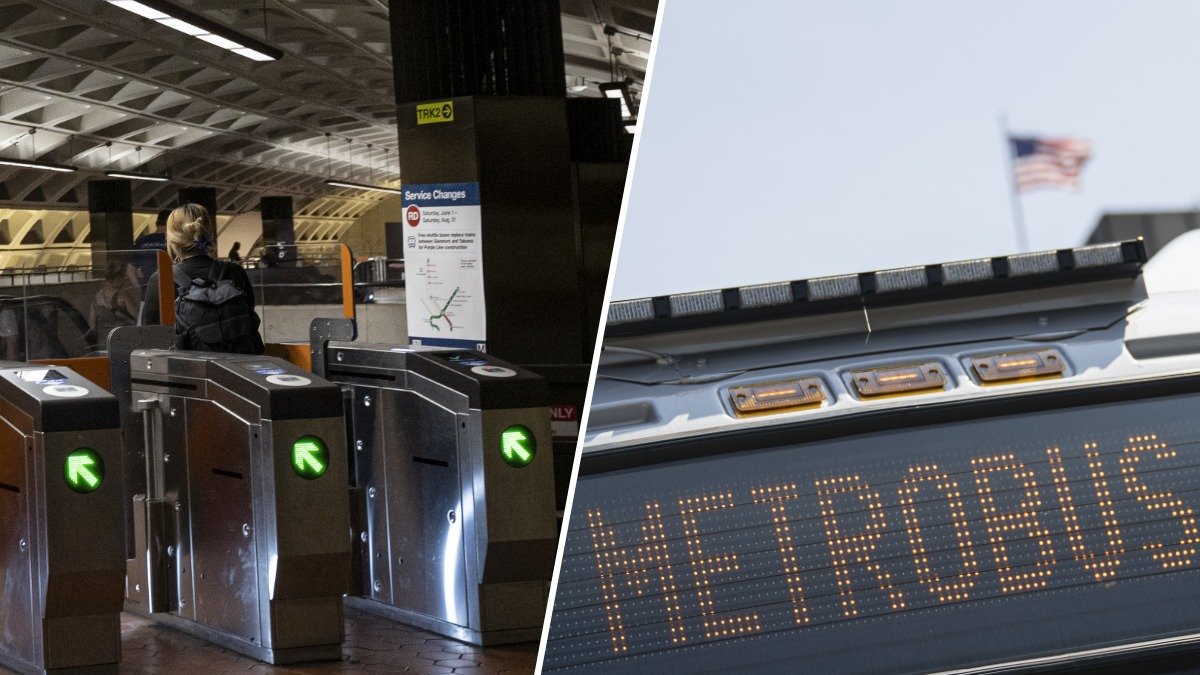
Metrorail fares could jump by 11.1% under a new proposal the transit agency shared Monday — going from today’s range of $2.25-$6.75 up to $2.50-$7.50. Late-night fares could also be impacted, and bus fares would likely increase from $2.25 to $2.50.
July would be the earliest the changes could take effect.
Metro officials say it would be an inflation-based decision because operating costs have gone up. They released documents Monday outlining the plan, saying the fare increases could bring in an additional $40 to $45 million in revenue.
Metro is also looking at changing parking prices – lower costs at low-usage lots, but higher costs at heavily used lots.
Under the proposal, parking would cost:
- $3 at 23 low-usage lots
- $5 at 14 medium-usage lots
- $7 at three high-usage lots
Metro also is considering:
- ending the late-night discount on weeknights
- removing the $3.75 cap on weekends and late nights
The fares for those times would be the same as daytime fares under the proposed plan. Ending the late-night discount would bring in another $1.6 million, and removing the price cap on weekends and late nights could yield another $7 million, Metro officials said.
Metro rider Layla Renz said she’s not happy to hear about the possible increases.
“It’s too expensive. Sometimes I travel from Alexandria to here – it’s like almost $6. Back and forth, $12,” she said, adding that she even gets a discount with her senior pass.
Metro has long followed a policy that they won’t raise fares more frequently than every couple of years. The last time Metro raised fares was in 2024.
It costs more to run trains and buses these days and pay employees these days.


“That’s true, you do have to adjust for inflation,” said another Metro rider, Ted, a retired economist. “Our salaries, our pensions, and yeah, so I could buy that, but if it’s just an inflationary increase, yeah, I would not argue with that.”
Metro rider Cameron Johnson said he says he’s willing to pay more if he gets an upgrade in service — such as shorter wait times for trains and buses.
“This is my main means of transportation. I don’t have a car,” he said, adding, “I just think, from the ground up – if we are going to be raising fares, we want to see the quality change expeditiously.”
Metro’s board will have to debate the proposed changes, and there will also be a public comment period.
Metro also says in documents that increased fare enforcement is part of this plan, to make sure everybody is paying their fair share to ride.
There could also be a new benefit: Metro says it could begin offering free rides for all kids and teens ages 5-18 next year, if it gets a bit more funding from Virginia and Maryland. The District already pays for this service through its existing Kids Ride Free program. Kids age 4 and younger already ride free on Metro in all three locations.