Spring has sprung, and winter is over, at least according to the solar calendar. The Vernal Equinox occurred on Friday, March 20. It’s also (more commonly) known as the official start of spring in the Northern Hemisphere. Now that winter is over, let’s take a look at how it shaped up here in Connecticut and any influence climate change may have had.
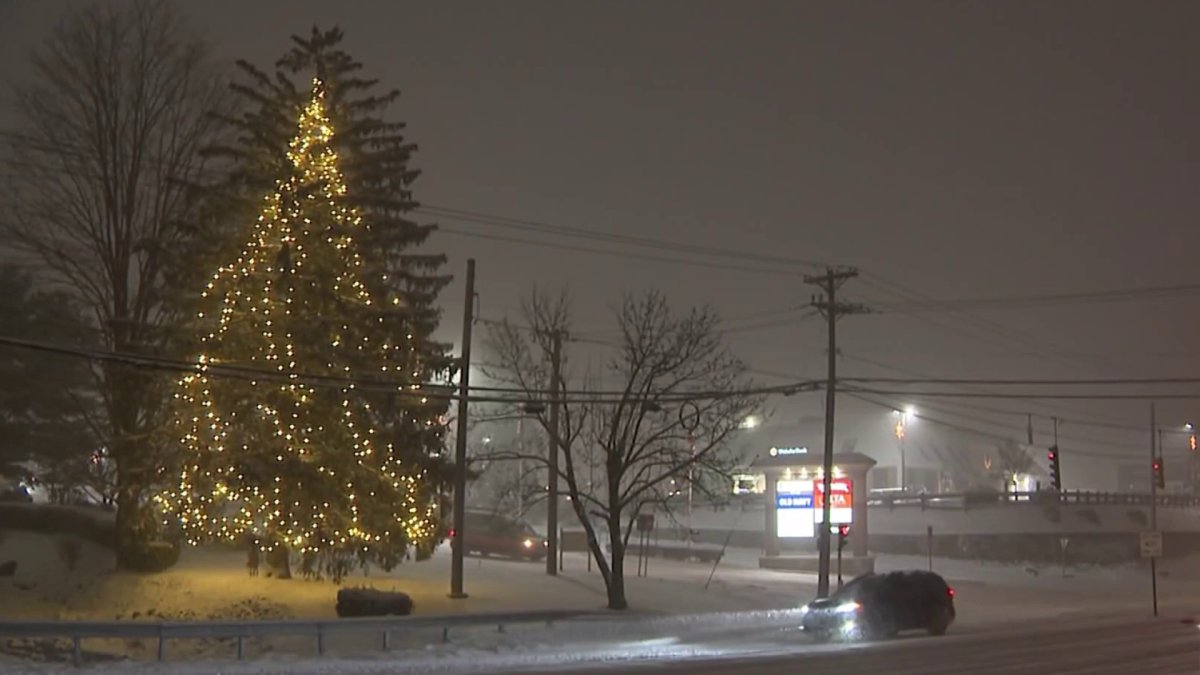
The average temperature in the Hartford, CT area this winter was 27.9°, down from 32.6° last year and the coldest since 2015. Snowfall for our winter can still technically occur into April, but as of March 23, the Hartford area has received 52.7″ of snow, compared to 21.7″ last year, and the most snow since 2017.
“If you were feeling like, gosh, it’s really cold this winter, you’re on to something,” says Dr. Kristina Dahl with Climate Central. Dr. Dahl is the Vice President for Science at the non-profit organization and says that, even with climate change, some winters will still be colder than normal here in Connecticut.
“So it doesn’t mean you won’t ever experience another cold winter or a winter with a lot of snow, but the chances of those kinds of winters are getting lower and lower,” explains Dr. Dahl.
Winter in Connecticut is the fastest-warming season compared to spring, summer, and fall. When we look at average temperatures, Connecticut’s winters are about 5 degrees warmer than they were in 1970. Yearly variability can still occur, as we saw this season.
This winter featured several bitterly cold blasts of Arctic air. Dr. Dahl says there is a lot of research focusing on the influence of climate change on the pattern of our jet stream. Some theories suggest that the jet stream is becoming wavier and more erratic, bringing wilder temperature swings (including a lot of warmth and many Arctic outbreaks).
“And there’s some evidence to suggest that this might be happening,” explains Dr. Dahl. She continues, “It might be linked to climate change. But there are also studies that say, no, there’s not a long-term trend in this. It’s not linked to climate change. And so the jury’s still really out.”
Even though we were cold this winter, much of the rest of the United States had a much warmer-than-normal winter. In fact, the western U.S. didn’t have much of a winter at all. It was the single warmest winter in dozens of western cities this year.
“The areas that were experiencing that record-breaking warmth were larger and really outweighing the sort of once-in-10-year cold winter that the East Coast was experiencing,” says Dr. Dahl.
The bottom line is that climate change affected our winter, at least somewhat. It’s unclear if it was responsible for several of the Arctic outbreaks. However, as our planet warms, our cold air outbreaks aren’t as cold as they used to be, earlier in the 20th century. In terms of snow, we had an above-average snow season. One influence climate change can have is to produce wetter storms, and that can include snow in the winter. Most of Connecticut’s snowfall fell within two to three individual snowstorms this season.