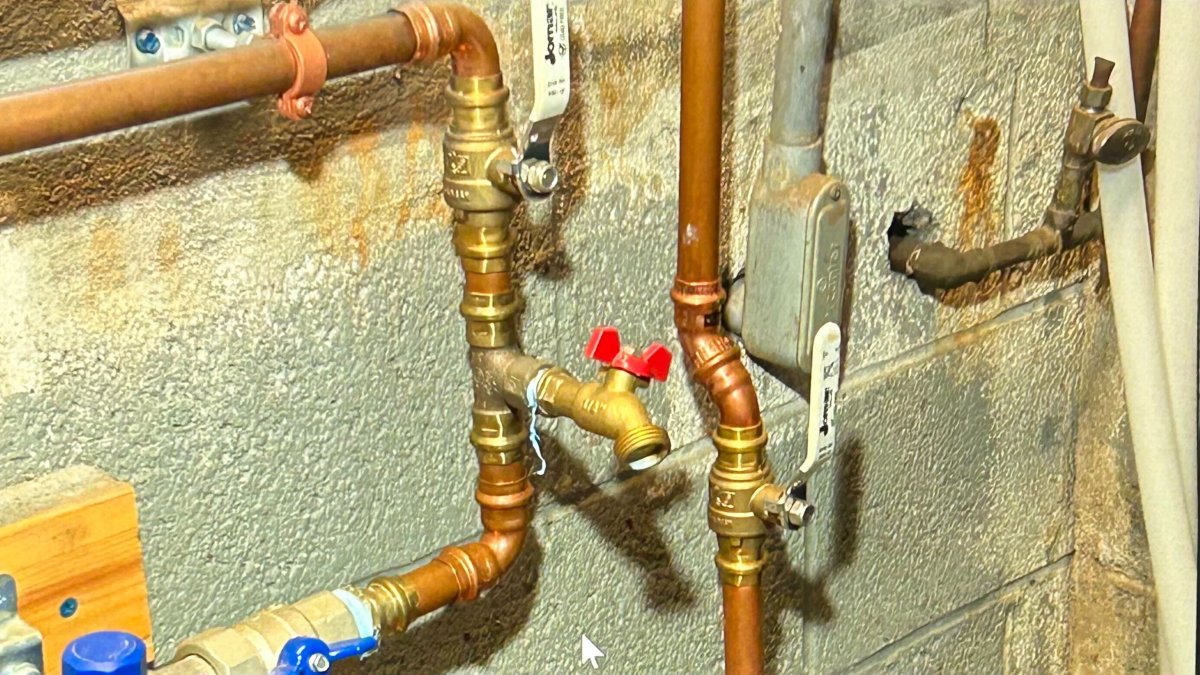
The cold and the snow can lead to all sorts of problems for your home.
We’re talking about everything from frozen pipes to drifts blocking crucial vents.
Experts say during this cold stretch, it’s a good idea to flush every toilet daily and briefly run your sinks at night. You can even keep a drip going on some faucets to prevent major problems and expensive fixes.
“As it gets colder and colder, these systems, the boilers and stuff, they have to run almost consistently,” John Bowman of F.F. Hitchcock said.
Bowman and staff at F.F. Hitchcock in Cheshire are expecting lots of calls for plumbing and heating issues as some real winter weather blasts the state.
“With that frigid cold coming next week, the risk is really frozen pipes at that point,” Bowman said.
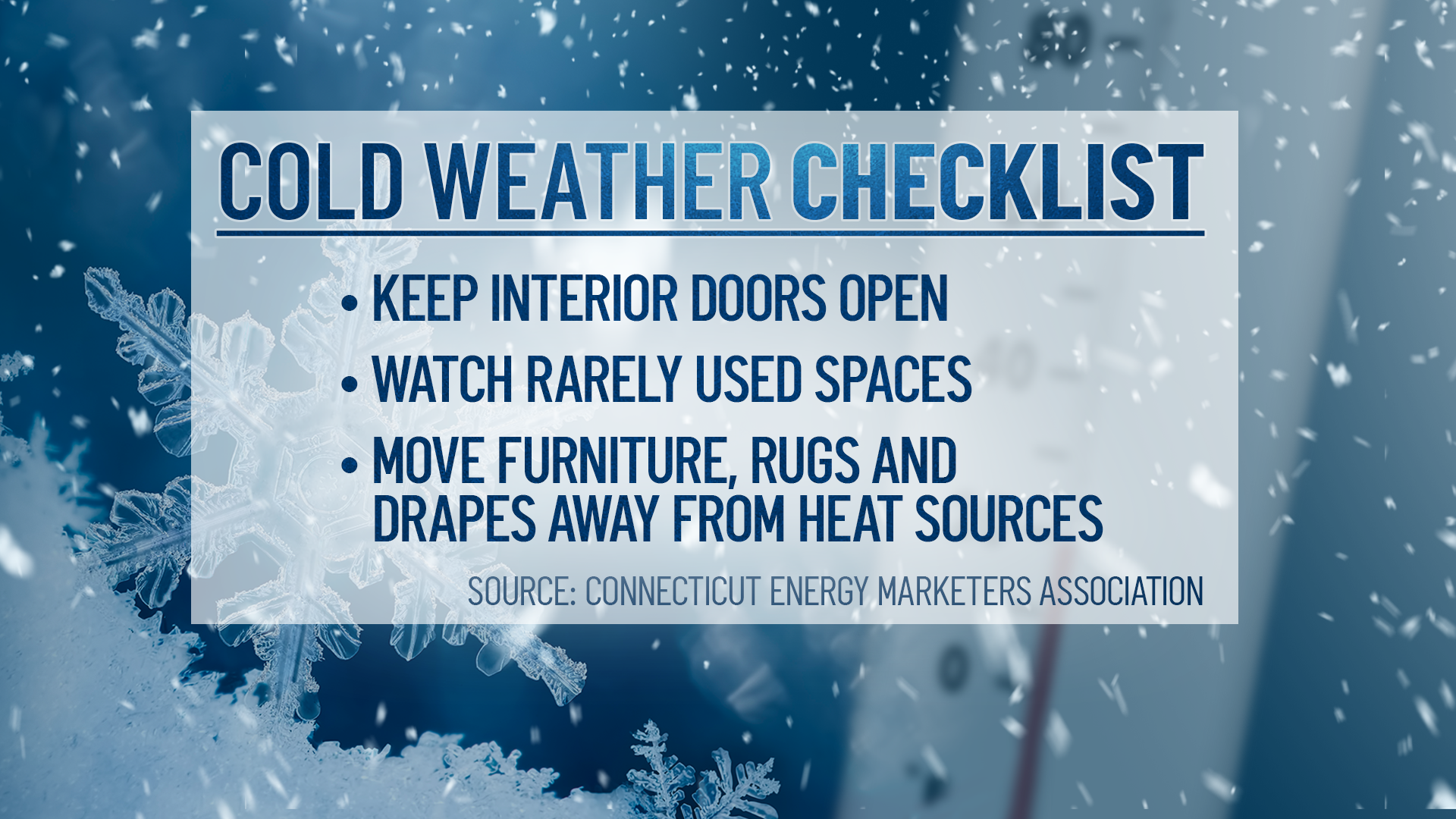
To help prevent that, keep your interior doors open, keep an eye on rarely used spaces, and move furniture, rugs, and drapes away from heat sources to keep the warm air moving.
“The big thing to do is just go look at it, you know, take the time today, tomorrow, before it gets frigid cold. And just make sure there’s no leaking pipes, drips, and it’s actually working,” Bowman said.
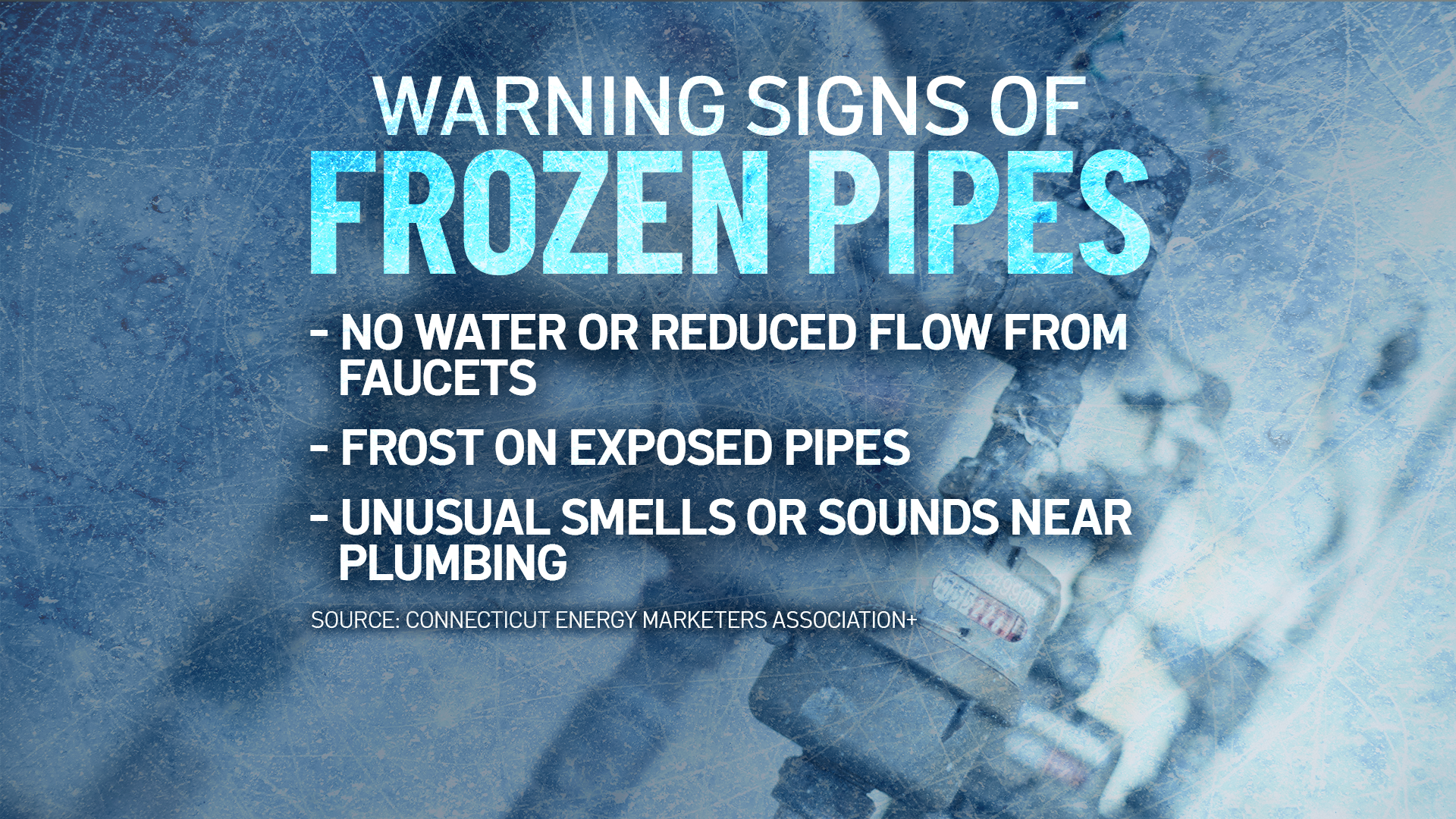
Warning signs that a pipe might have frozen in your home include: no water or reduced flow from faucets, frost on exposed pipes, and unusual smells or sounds near plumbing.
Experts also say this is not the time to turn down the heat, especially when you’re not at home.
“The risk is like if it gets down to 60 trying to save electricity or oil, it’ll never be able to get back to 72 when you need it most,” Bowman said.
Natural gas customers should be careful as the snow piles up around their home.
“What we ask is that everybody clear snow from around their gas meters and, more importantly, their appliance vents to ensure proper operation of appliances,” Tom Scappaticci, of Avangrid, said. “When we’re removing snow, we ask that you don’t damage your meter with shovels, snow blowers, or plows. And also, to look above the gas meter to make sure that no snow or ice could fall onto it.”
Another good idea is to have carbon monoxide detectors, Scappaticci said.
And if you do run into serious problems, experts say it’s time to call them to prevent it from becoming even worse.