What to Know
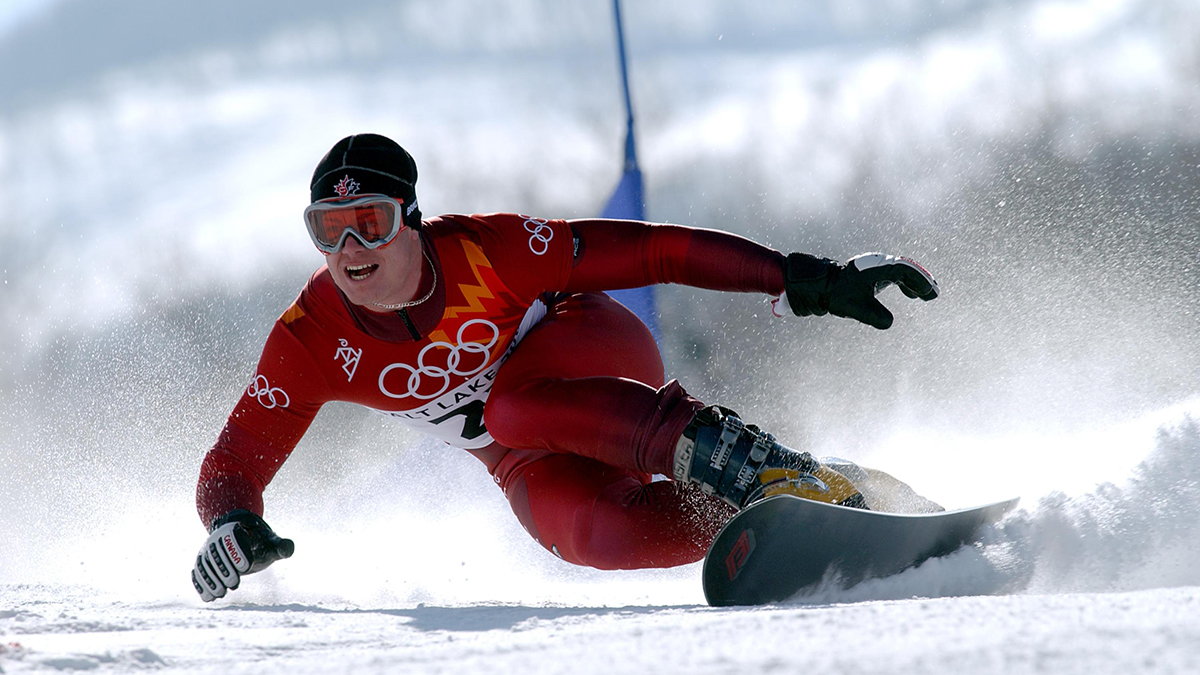
- Ryan Wedding, a Canadian Olympic team snowboarder who competed in the 2002 Winter Olympics in Utah, faces federal charges connected to a international drug trafficking operation.
- The crimes began six years after Wedding’s Olympic debut when he was a promising snowboarder in his 20s, according to court documents.
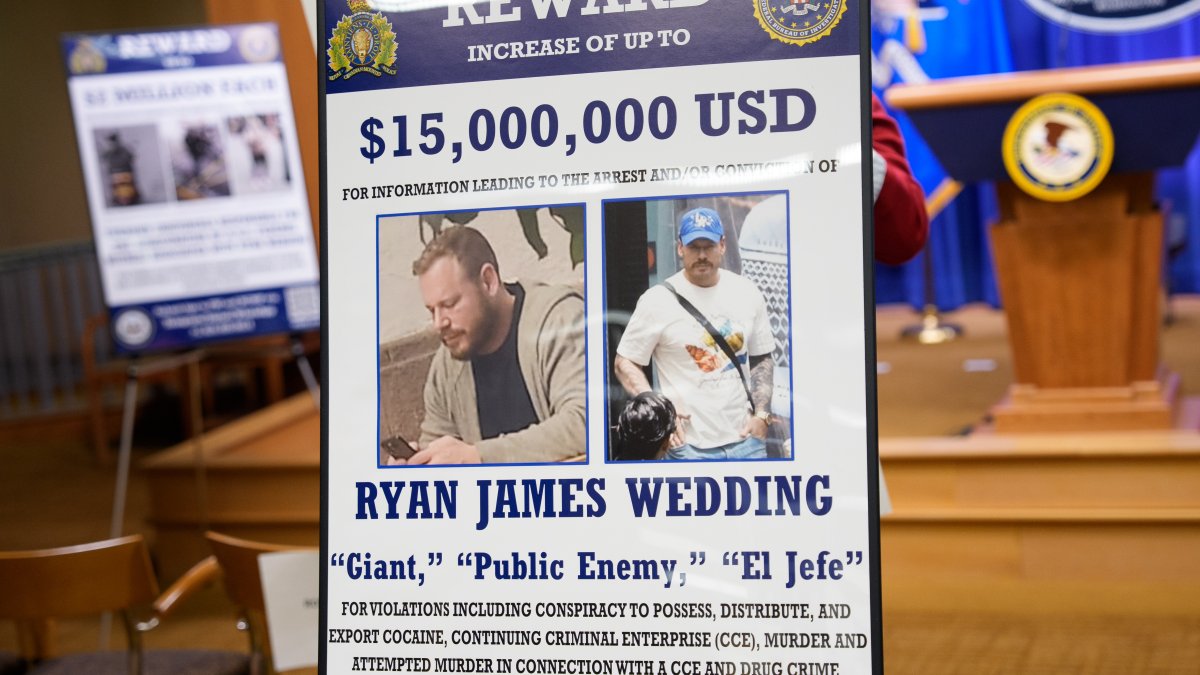
- A $15 million reward was offered for information leading to his arrest and Wedding was added to the FBI’s most-wanted fugitives list in March.
- Wedding, who was arrested Thursday in Mexico, is suspected of orchestrating killings tied to the billion-dollar cocaine cartel, including the murder of a federal witness.
- At a new conference Friday, the FBI chief likened Wedding to a modern-day Pablo Escobar and El Chapo.
Olympic snowboarder Ryan Wedding, one of the FBI’s most-wanted fugitives accused of playing a central role in an international cocaine trafficking operation, has been taken into custody in Mexico, the FBI said Friday morning.
Wedding, 44, is charged with overseeing operations of a criminal enterprise, including witness intimidation tactics and was added to the FBI’s most-wanted fugitives list in March. A $15 million reward was offered for information in the case leading to the captured of the accused drug operation kingpin.
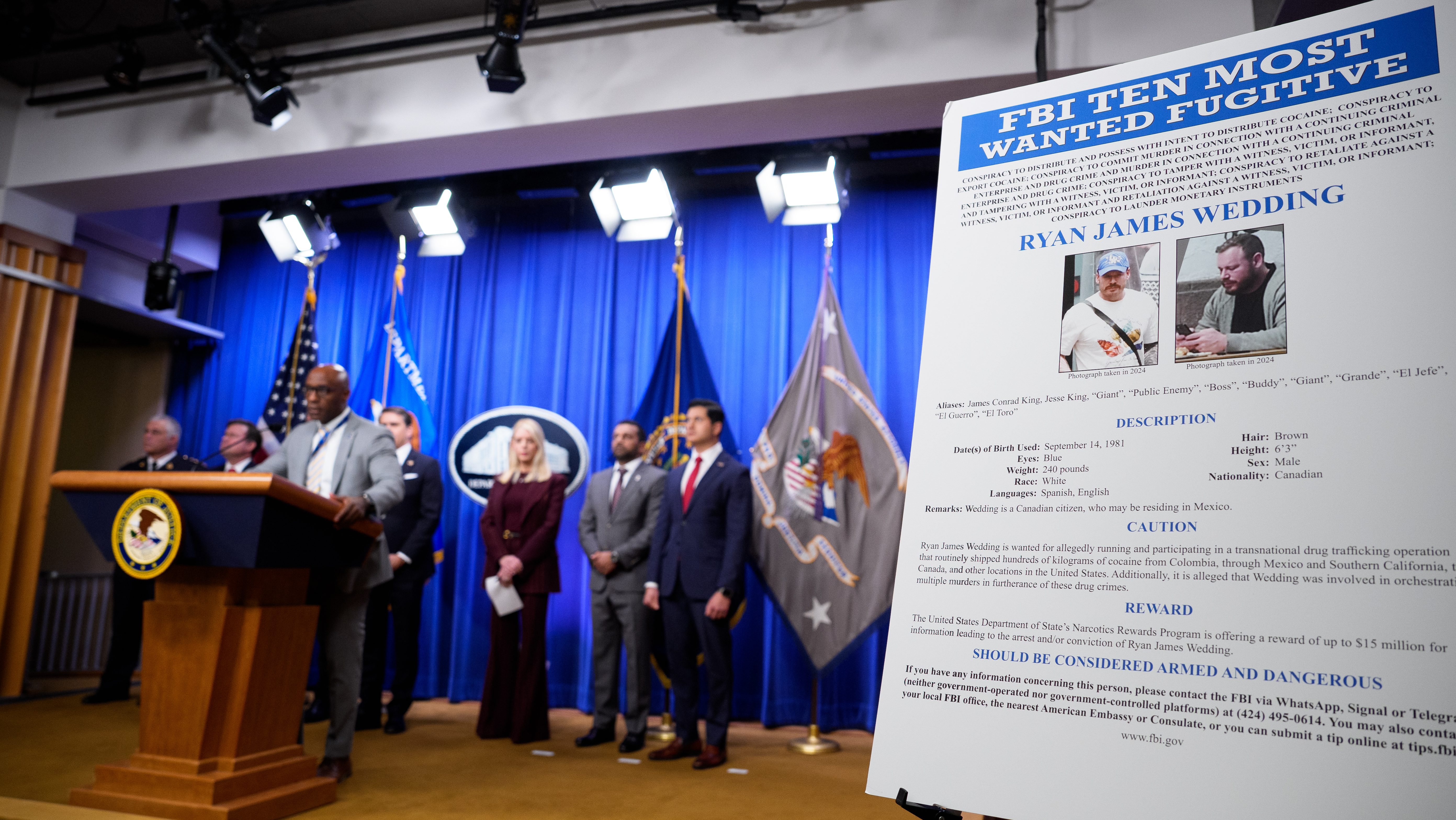
“He is a modern-day El Chapo. He is a modern-day Pablo Escobar,” said FBI director Kash Patel at a morning news conference in Ontario, California.
In a statement Friday morning, the FBI said Wedding was arrested Thursday night in Mexico, where the Canadian national was believed to be hiding for more than a decade. Wedding was on a plane that arrived Friday morning at Ontario International Airport, about 40 miles east of Los Angeles, and was expected to be transferred to a federal detention center in Southern California.
In a post on X, Mexico’s Security Secretary Omar Garcia Harfuch said Patel met with authorities there Thursdays and left with two detainees — a Canadian citizen who turned himself in at the U.S. embassy and someone on the FBI’s most-wanted list who had been detained by Mexican authorities.
Wedding’s fall from Olympic glory unfolded over the course of two decades when he became a key figure in a violent and lucrative illicit drug operation, according to authorities. Wedding is suspected of orchestrating killings tied to the billion-dollar cocaine cartel, including the murder of a federal witness.
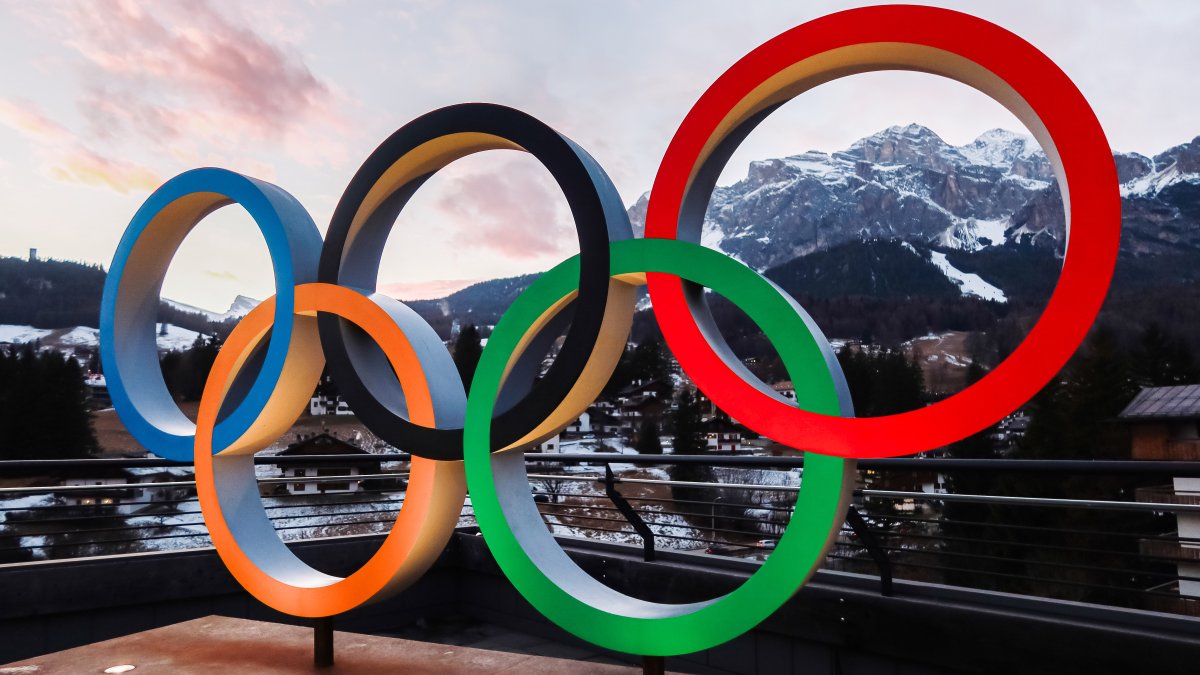
Born in Thunder Bay, Canada on Lake Superior’s north shore, Wedding represented Canada in the 2002 Winter Olympics in Utah. He was 24th in the parallel giant slalom, marking the height of his snowboarding career.
The crimes began six years after Wedding’s Olympic debut when he was a promising snowboarder in his 20s, according to court documents.
“Wedding went from shredding powder on the slopes at the Olympics to distributing powder cocaine on the streets of U.S. cities and in his native Canada,” Akil Davis, the assistant director of the FBI’s Los Angeles field office, said in a March news release.
In 2008, Wedding was involved a drug deal gone wrong with two other men in San Diego when the dealer they agreed to meet turned out to be working undercover for the FBI, authorities said. He was found guilty of conspiracy to distribute cocaine and apologized to the court for “stupid and irresponsible decisions.”
“I knew it was wrong, and I did it anyway,” he said, according to a transcript of the hearing. “In the past 24 months I’ve spent in custody, I’ve had an opportunity to see firsthand what drugs do to people, and honestly, I’m ashamed that I became a part of the problem for years. I guess I lost my way.”
Wedding was sentenced to 48 months in federal prison and, with time served, was released in December 2011.
He founded the criminal drug trafficking enterprise after his release and began working with members of Mexican drug cartels to move large amounts of illegal drugs, federal authorities said.
Wedding, whose aliases include “El Jefe,” “Public Enemy,” and “James Conrad King,” was charged by federal authorities in 2024. It is estimated that the drug ring moved some 60 tons of cocaine a year using semi-trailer trucks to bring the drugs between Colombia, Mexico, Southern California and Canada.
The Royal Canadian Mounted Police called the arrest the result of collaboration across borders.
“This is a great day for public safety in Canada,” said RCMP Commissioner Mike Duheme. “The capture of Ryan Wedding after a years-long investigation, and this most recent achievement, demonstrates the importance of international collaboration and the success that can be achieved when law enforcement shares intelligence. The RCMP collaborated closely with the FBI throughout the investigation, in Canada and around the world. We extend our heartfelt congratulations to the FBI on their leadership of this investigation and thank them for their collaboration.
“Today is a day to applaud the efforts of the dedicated personnel at the heart of this effort. Our work in disrupting organized crime continues. Organized crime transcends borders and continually adapts. International partnerships remain critical. Working alongside the FBI enables the RCMP to more effectively confront and disrupt criminal operations.”