The husband of a Massachusetts woman who is accused of killing their three children at the family’s Duxbury home back in 2023 has filed a wrongful death lawsuit against the providers who treated Lindsay Clancy in the months leading up to the tragedy.
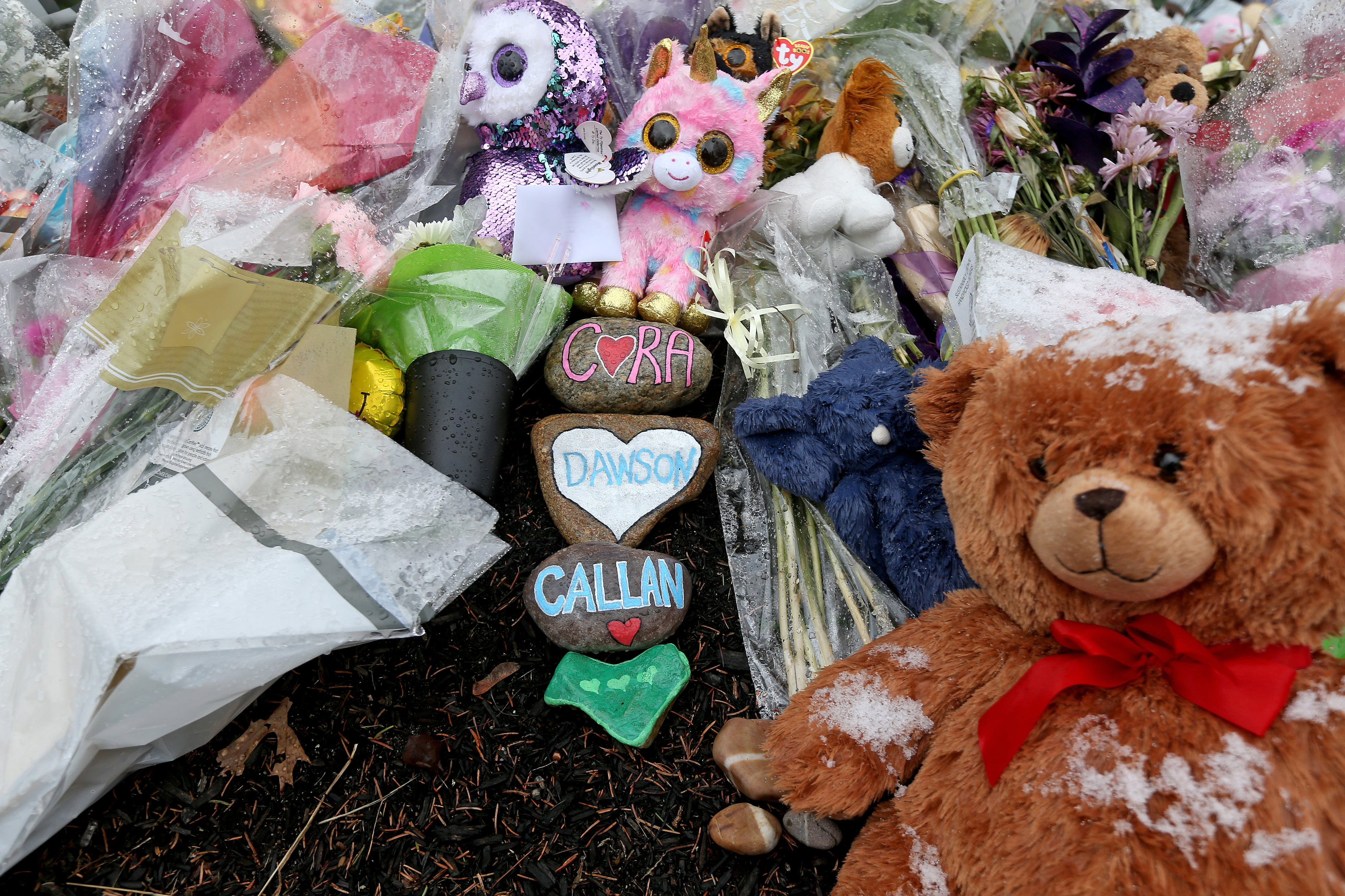
Patrick Clancy’s civil suit was filed in Norfolk Superior Court Wednesday against psychiatrist Jennifer A. Tufts, certified nurse practitioner Rebecca H. Jollotta, Aster Mental Health, and South Shore Health System. The suit alleges that treatment by these providers exacerbated Lindsay Clancy’s mental health struggles, and resulted in her allegedly killing the couple’s three children — 5-year-old Cora, 3-year-old Dawson and 8-month-old Callan — on Jan. 24, 2023.
“Indeed the bevy of diverse and powerful medications they misprescribed coupled with their abject failure to appropriately monitor Lindsay resulted in Lindsay’s mental health deteriorating to the point of suicidal ideation and requiring in-patient care. Ultimately, Defendants’ negligent treatment of Lindsay, including their complete failure to recognize and address the radical erosion of her mental health, resulted in tragedy, namely, allegations that Lindsay took the lives of her children,” the lawsuit reads. “If Defendants had not acted negligently, and rather had provided adequate care, it is more likely than not that Patrick and Lindsay’s children would still be alive today.”
Prosecutors have said Lindsay Clancy killed her three children by strangling them with exercise bands after sending Patrick Clancy to get takeout food from a specific restaurant that she included as part of her plan. Following the attacks, officials allege Lindsay Clancy cut her wrists and neck before jumping from a second-story window in the home in an attempt to end her own life. She has been confined to a wheelchair and is paralyzed from the sternum down as a result, according to her attorney.
If you or someone you know is in crisis, call or text 988 to reach the Suicide and Crisis Lifeline or chat live at 988lifeline.org. You can also visit SpeakingOfSuicide.com/resources for additional support.
Patrick Clancy’s lawsuit details a number of steps that Lindsay Clancy took trying to help herself before this incident occurred but was reportedly failed by her providers at every turn.
Prior to the murders, Lindsay Clancy sought medical treatment beginning in September 2022 for her anxiety and increasingly poor and deteriorating mental health condition, the lawsuit shows. Over the next few months, she was prescribed sertraline (also known as Zoloft), trazodone, fluoxetine (also known as Prozac), zolpidem tartrate (also known as Ambien), mirtazapine (also known as Remeron), clonazepam (also known as Klonopin), quetiapine fumarate (also known as Seroquel), diazepam (also known as Valium), and lamotrigine (also known as Lamictal).
The medications did not help, according to the lawsuit, and Lindsay Clancy was experiencing worsening anxiety, bad insomnia and paranoia of getting suicidal thoughts. She was only sleeping three hours eventually and felt disoriented, disconnected from her body and like she was in a panic state.
Lindsay Clancy sought treatment in an emergency room in November 2022 at which point she reported feeling afraid something awful might happen. The lawsuit alleges she quickly reported the negative impacts of the medications she was prescribed, noting feeling of numbness and panic attacks.
It was the end of November and beginning of December when she first reported suicidal ideation, the lawsuit shows. On Dec. 5, 2022, she contacted ASPIRE crisis support due to having intrusive thoughts of wanting to die. She reported that she believed her ongoing symptoms were connected to the medications she was being prescribed.
A few days later on Dec. 9, Patrick Clancy called the nurse’s office and said it was fairly urgent that they speak about his wife’s panic and suicidal ideation. The Clancy’s were advised that she continue taking the medications.
Lindsay Clancy continued to experience suicidal ideation and continued to seek help, the suit alleges. On Dec. 20, 2022, she admitted herself into a day hospital program at Women & Infants Hospital for patients with post-partum depression. She said she started having passive suicidal ideation immediately after starting quetiapine fumarate (also known as Seroquel). She also said she could not feel fear, and she reported a general inability to function, as well as a feeling of numbness and severe depression.
Women & Infants determined Lindsay Clancy’s mental health issues were likely due to “overmedication and misdiagnosis” and that its day program was not appropriate for her, the lawsuit states. They reached out to her nurse, who allegedly failed to respond to them.
As her condition continued to deteriorate, Lindsay Clancy admitted herself to McLean Hospital on Jan. 1, 2023, as a result of suicidal ideation, and stayed there until Jan. 5, according to the lawsuit.
Patrick Clancy’s civil suit also alleges that his wife’s providers were only meeting with her for 17 minutes at a time in that month. On Jan. 16, 2022, less than 10 days before the alleged murders, Lindsay Clancy reported that caring for her baby felt forced. She had her final doctor’s appointment on Jan. 23 — also 17 minutes long.
She is accused of killing her three kids the next day.
“Dr. Tufts and Nurse Jollotta, and through them their employers Aster and South Shore Health, were aware that Lindsay was experiencing suicidal ideation and a critically deteriorating psychiatric condition while in their care and failed to take reasonable steps to properly treat her,” the lawsuit concludes. “Further it is more likely than not that, had Dr. Tufts and Nurse Jollotta appreciated the severe nature of Lindsay’s mental health condition, they would have altered their treatment plans to properly treat Lindsay and, more likely than not, Lindsay would not have harmed or killed Cora, Dawson, and Callan, as is alleged.”
Read Patrick Clancy’s civil suit in full below
Statement from Patrick Clancy’s attorney
Attorney Howard Cooper, who is representing Patrick Clancy, released a statement to NBC10 Boston on Thursday addressing the civil lawsuit.
“The civil lawsuit filed by Patrick Clancy alleges that certain mental health professionals in whose care the treatment of Lindsay Clancy was entrusted failed her and her family. In particular, the lawsuit alleges that the named defendant professionals were negligent in prescribing certain powerful drugs to Lindsay and in failing to coordinate her treatment. The lawsuit alleges that the result of their negligence was beyond tragic. Mr. Clancy intends to hold these professionals accountable for their negligent conduct in a court of law.”
Response from defendants
One of the defendants named in the lawsuit, South Shore Health, has released a statement on the matter, saying: “South Shore Health cares deeply about and prioritizes the safety of our patients and their families and always strives to provide excellent care. Given that this matter is now in litigation, we cannot comment on the specific allegations contained in the lawsuit.”
NBC10 Boston has also reached out to Aster Health and Mass General Brigham for their comment but has not heard back yet.
Lindsay Clancy’s trial
Lindsay Clancy has pleaded not guilty to the charges brought against her by the Plymouth District Attorney’s Office, and her attorney filed a notice in December that they plan to pursue the insanity defense for the 35-year-old. Her trial has been postponed multiple times, and is now expected to start on Monday, July 20.
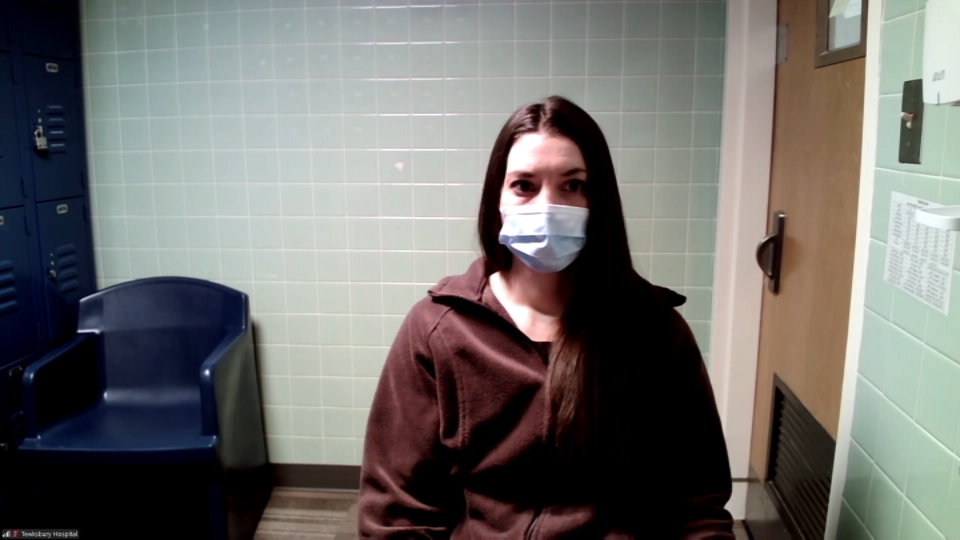
A pre-trial hearing was held earlier this month for Lindsay Clancy, who remains hospitalized at Tewksbury Hospital, where her attorney, Kevin Reddington, reports she is on 24/7 watch and is not allowed to have access to anything that she could use to hurt herself.
Reddington said during the Jan. 7 hearing that Lindsay Clancy’s murder trial will be a logistical nightmare, due in large part to the fact that she is paralyzed from the sternum down, and she also continues to have significant suicidal ideation.
If you or someone you know is in crisis, call or text 988 to reach the Suicide and Crisis Lifeline or chat live at 988lifeline.org. You can also visit SpeakingOfSuicide.com/resources for additional support.