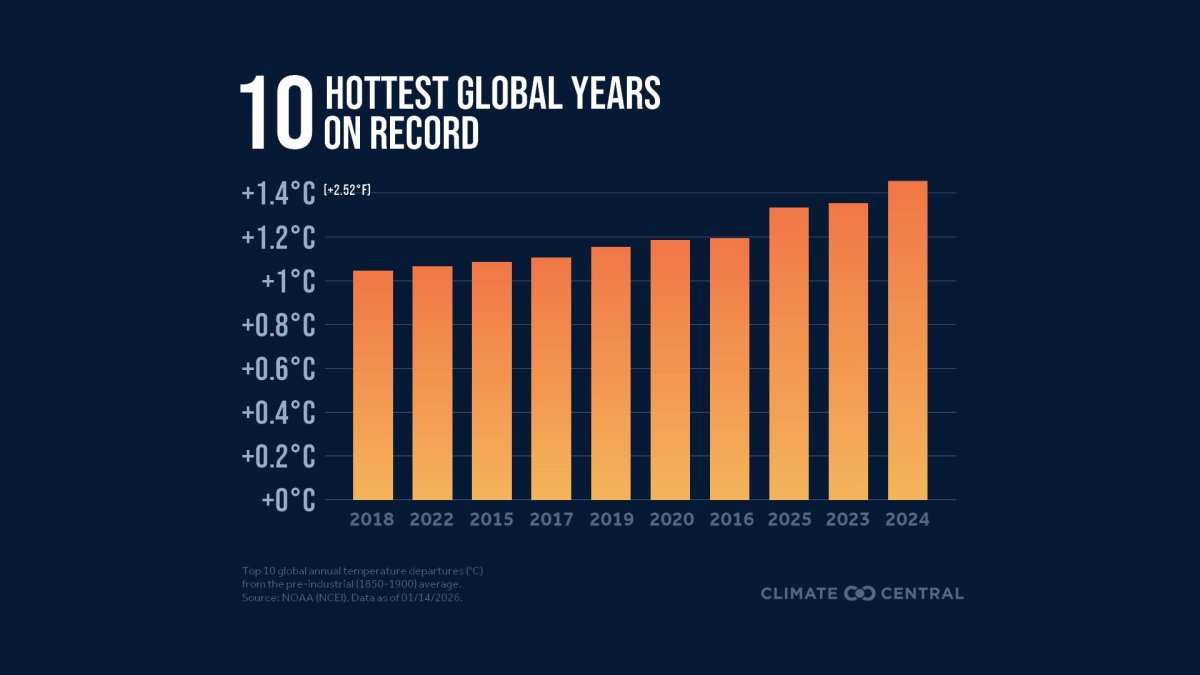
To fully understand the impact of 2025 being Earth’s third-warmest year in modern history, NBC Connecticut reached out to Climate Central Climate Scientist Kaitlyn Trudeau about what this means for us.
“It means more health impacts,” Trudeau explained. “We’re seeing longer allergy seasons. It means air quality is decreasing as we’re seeing more wildfires. We’re seeing longer and longer mosquito seasons. So, it impacts our health, it impacts our wallet, when we talk about the cost of heating and cooling, grocery prices, and healthcare costs.”
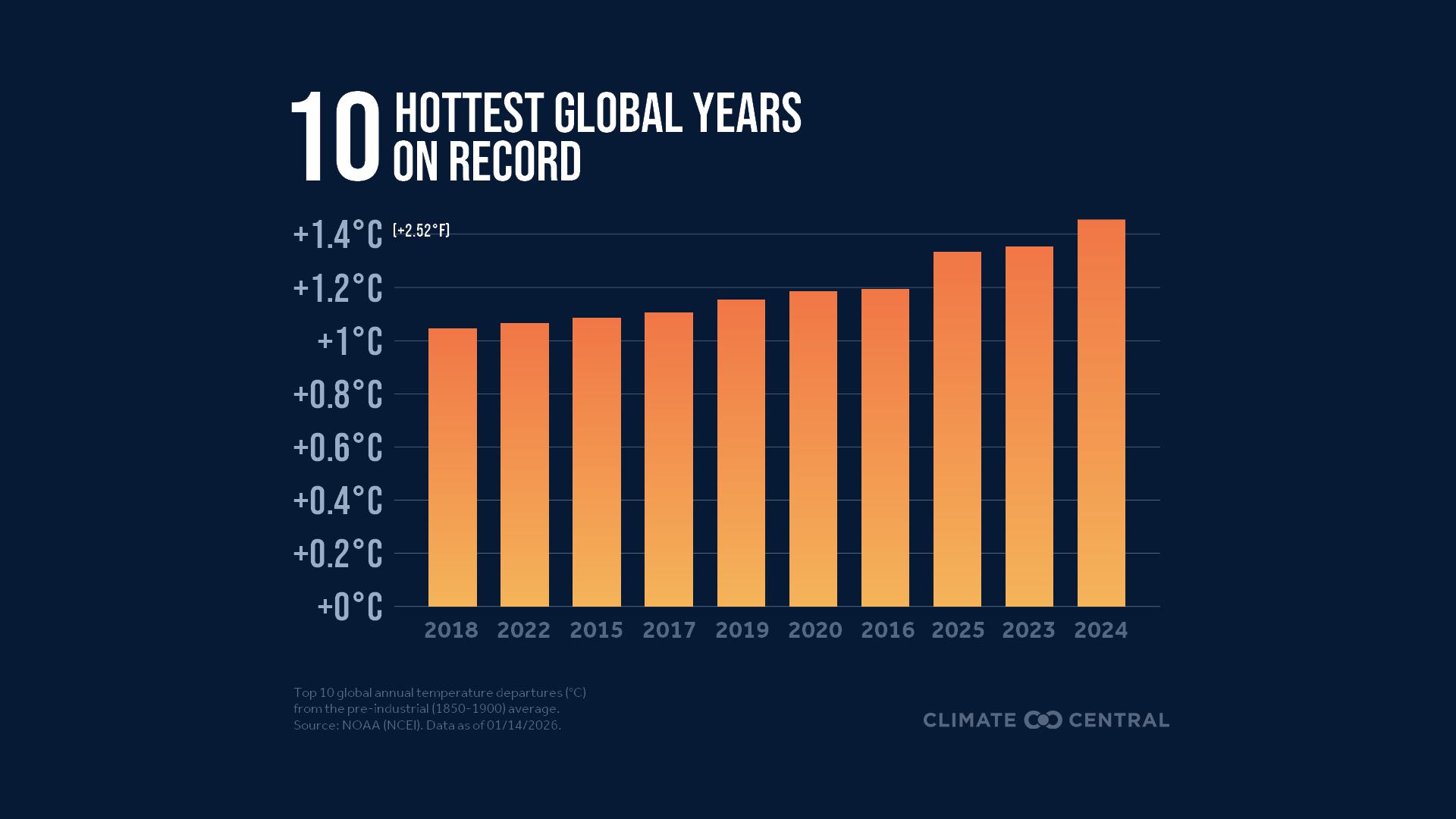
Trudeau points to 2023, 2024, and 2025 as the warmest 3-year period recorded since 1850.
“What we’ve seen in recent years isn’t really a fluke; it’s a new pattern that we should expect to continue if we keep burning fossil fuels,” explains Trudeau.
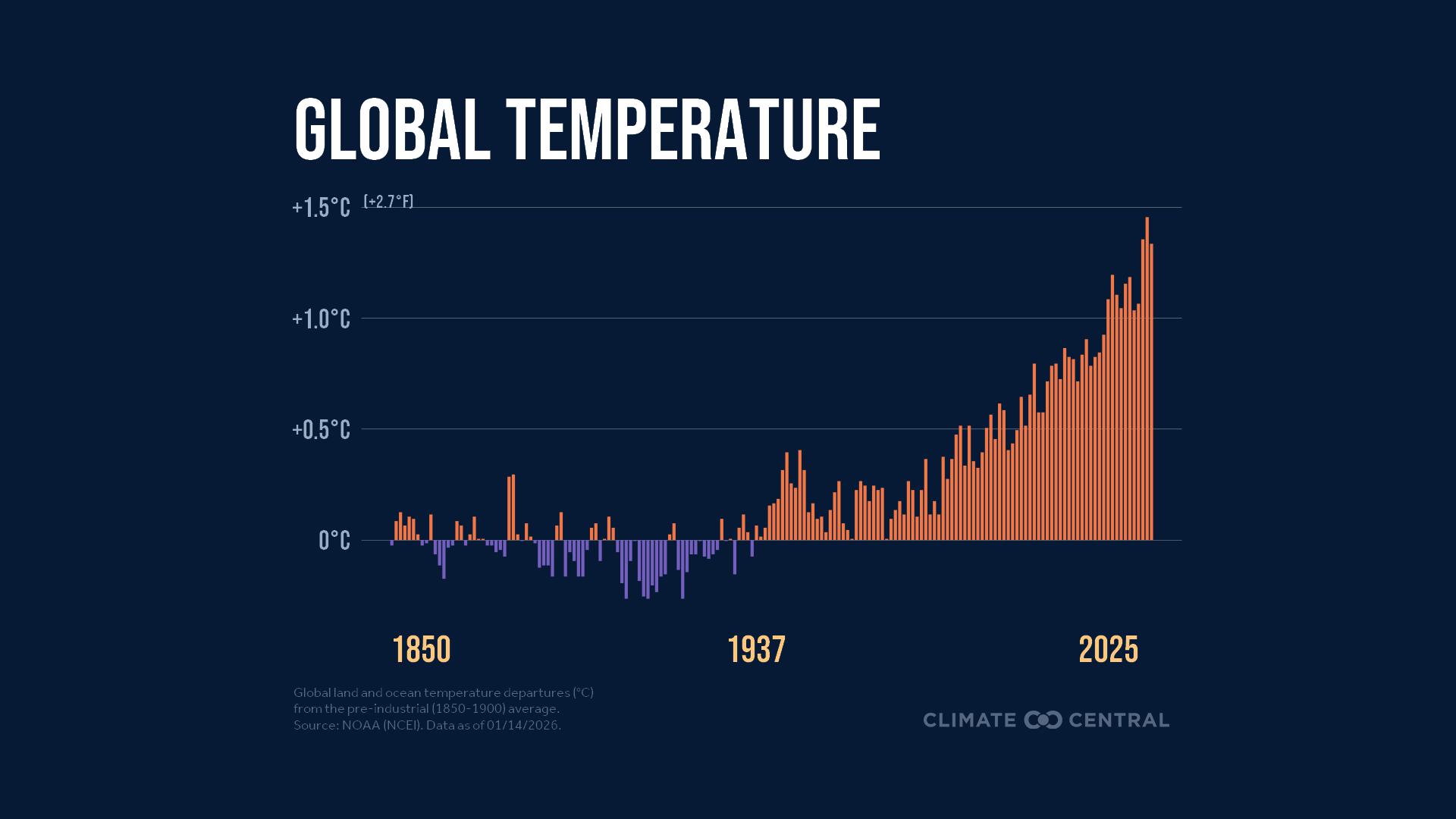
Trudeau says we’ve shifted our planet into a hotter, more dangerous normal because a warmer world brings more extreme weather.
“It’s going to get harder to use the past as a roadmap for the future, basically, and I think ultimately this means we have a choice to make; what kind of world we want to live in and what kind of world we want to leave behind for future generations,” says Trudeau.
While 2025 wasn’t extreme here in Connecticut, it’s important to remember with climate change, it increases the odds of future impactful weather. Trudeau says climate change isn’t one big disaster, but it is making conditions harder to live with over time.
“Unless we start to take it more seriously, then it means we have a future where we’re having multiple disasters at once, we’re having shorter recovery time between extreme weather events, and it gets harder to prepare for what comes next.”
Images courtesy Climate Central