First things first: You could not pay me, at this point, to eat some foraged mushrooms. I don’t care if you’ve foraged every weekend for the last decade. I don’t care if you’re a grizzled survivalist living off the providence of nature. I don’t care if you’ve observed deer nibbling on them. The fact of the matter is, the ones that add a nice earthiness to a pasta cream sauce look entirely too similar to the ones that leave you curled up and dying in agony for me to trust any forager’s eye test, a point driven home by California’s ongoing epidemic/outbreak of mushroom poisoning cases, which in less than two months has left three dozen people sickened and resulted in multiple fatalities. Of course, there’s another culprit involved here as well, and I think you know its name: Climate change.
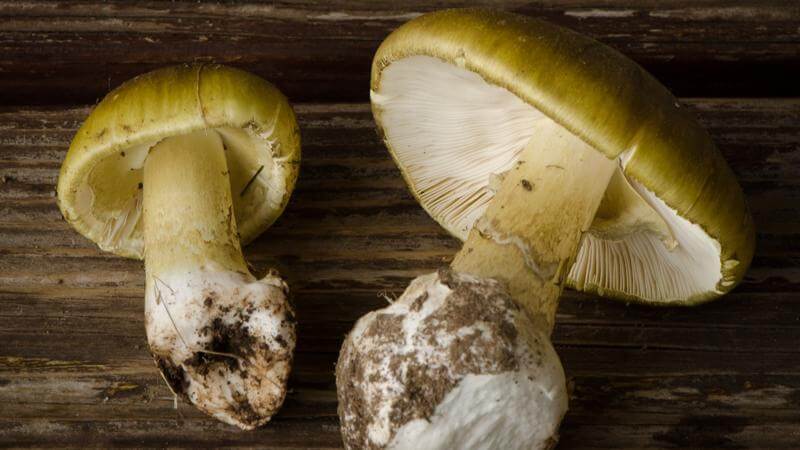
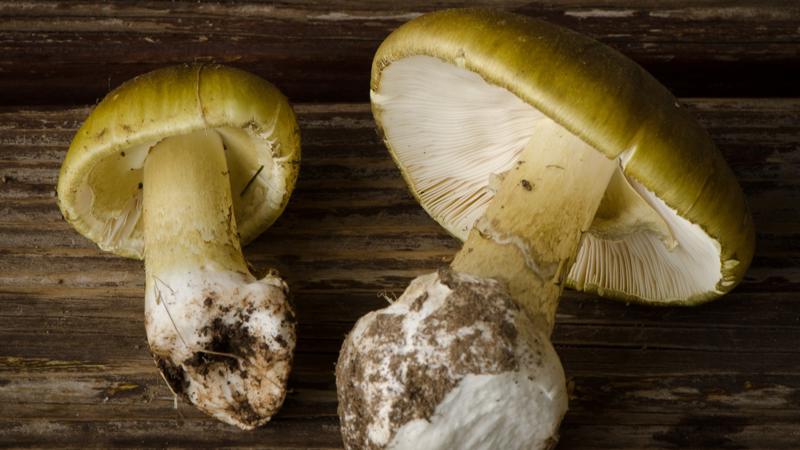
The mushrooms in question are of the toxic death cap (Amanita phalloides) variety, which the true crime junkies in the house will no doubt immediately perk up and recognize as the same family of mushrooms infamously used in a triple murder by a woman in Victoria, Australia in 2023. In that case, the now-convicted woman had put a truly theatrical level of art into her murder method, serving her guests homemade beef wellingtons containing the mushrooms. In California, meanwhile, the poisonings all appear to be accidental to date, the result of foragers mistaking the generally benign-looking death cap or western destroying angel mushrooms for more common and palatable species before cooking with them … which does nothing to destroy the poison, by the way. Now can you see why declining foraged mushrooms from a friend might be a good idea?
The California Department of Public Health reports that to date, there have been at least 35 people sickened by mushroom poisonings since mid-November, along with three deaths. Additionally, among the survivors, three have been forced to undergo liver transplants. The toxin of the death cap mushroom specifically attacks the liver, often resulting in severe injury within 24 hours after ingesting. In a typical year, California tends to see only five or so poisonings of this nature. But in the last two months there have been reports of poisonings in Alameda, Contra Costa, Monterey, San Francisco, San Luis Obispo, San Mateo, Santa Clara, Santa Cruz, and Sonoma counties.
🚨 PUBLIC HEALTH ALERT:
Death Cap mushrooms in California have caused 3 deaths & 35 hospitalizations.
They look edible. They’re not. They stay toxic even after cooking. Skip the foraging this season—your liver will thank you. 🍄
#BlueSky #MedSky #NurseSky #IMSky #EMSky #ToxSky #PedsSky— Carolyn Barber, MD (@cbarbermd.bsky.social) Jan 14, 2026 at 9:09 PM
Speaking to SFGate, Dr. Craig Smollin, the medical director of the San Francisco Division of California Poison Control System (CPCS), said that this could well be the worst poisoning outbreak of its kind in California’s history. He said that since CPCS was reorganized in 1999, “we have not had a season as deadly as this season, both in terms of total numbers of cases as well as deaths and liver transplants. I believe this is probably the largest outbreak that we’ve seen in California ever.”
Which begs the question, why has the number of poisonings shot up so precipitously? Well, here’s the thing: Mushroom poisonings tend to occur when toxic mushrooms suddenly appear in places where they don’t typically exist, or in numbers that are not usually seen, and overconfident foragers can’t tell the difference. And what is different about the California climate this year? That would be record levels of precipitation and drenching storms linked to climate change; the same storms that caused historic flooding in Washington and Oregon this fall. As these “atmospheric rivers” have dragged huge amounts of water into the state, they’ve created some odd results, even pulling California out of the “abnormally dry” category of the U.S. Drought Monitor for the first time in a quarter century. That’s a boon for reservoirs, but as with any climate change topic, the full array of results is unpredictable. Did anyone think to attempt to warn residents of the state about a surge in toxic mushrooms, back in November? No, and that really shouldn’t come as a surprise.
That’s the nature of climate change, and part of the reason why “climate change” eventually displaced a more antiquated and misleading term like “global warming”–it implies that things will change and transform, often rapidly and in wholly unexpected ways. Storms get more intense, and more unpredictable. Some areas that should be wet dry out. Some areas that should be dry are inundated with unwanted water. Tropical bird populations get wiped out by cascading changes in their own, insular environments. The universally accepted range of “fire season” in dry states is forced to change. Some of the very staple crops that we depend on as Americans become less viable to grow in the United States. And yeah, sometimes there’s a sudden bloom of mushrooms that look just like the tasty ones, except if you eat these ones, your liver will immediately shut down.
So with that said, you might want to deploy a bit more rigor to the perusal of your farmer’s market purchases in the future.