
Le Journal

Bon plan écran gaming : l’excellent TITAN ARMY P275MV PLUS ne coûte que 369,99 €
Le moniteur gaming TITAN ARMY P275MV PLUS mise sur une dalle Mini LED 27 pouces 4K jusqu’à 160 Hz, capable de passer en 320 Hz en Full HD. Pensé pour les joueurs exigeants comme pour la création de contenu, il combine fluidité, contraste et connectique complète à un tarif particulièrement attractif. Source

Bon plan tapis de marche masseur : le Akluer 520A-A à 119,99 €

X vs. Threads : le basculement que personne n’attendait

iPhone ↔ Android : les messages RCS chiffrés arrivent enfin
Longtemps attendue, la sécurisation des échanges entre iPhone et Android franchit un cap historique. Apple s'apprête à intégrer le chiffrement de bout en bout pour les messages RCS, mettant fin à une vulnérabilité majeure pour des millions d'utilisateurs. Source

Android 16 : activer et utiliser le Desktop Mode

Puces Dimensity 9500s et 8500 : MediaTek bouscule le marché !
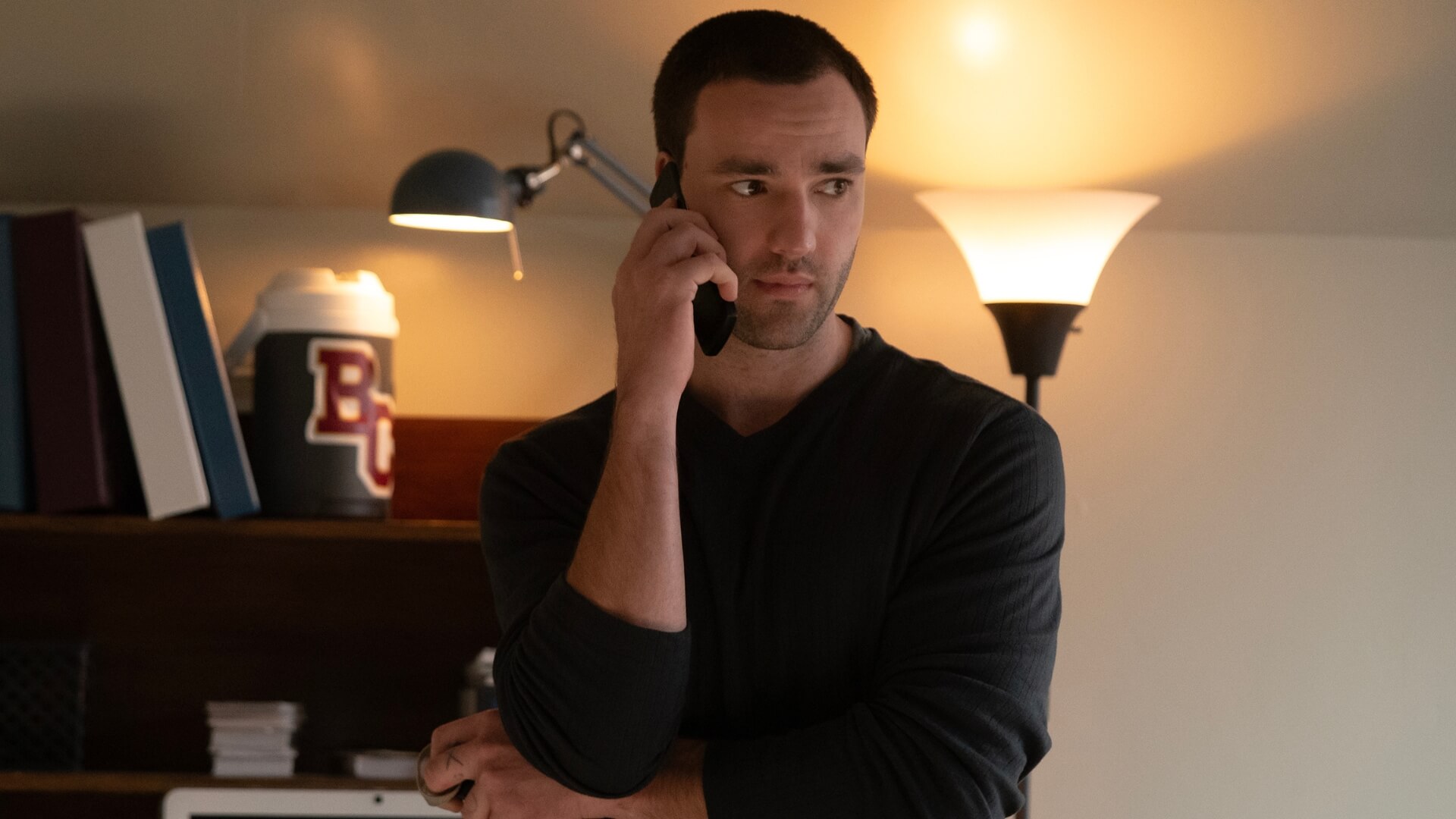
Tell Me Lies paints an accurate portrait of consequence-free toxic masculinity
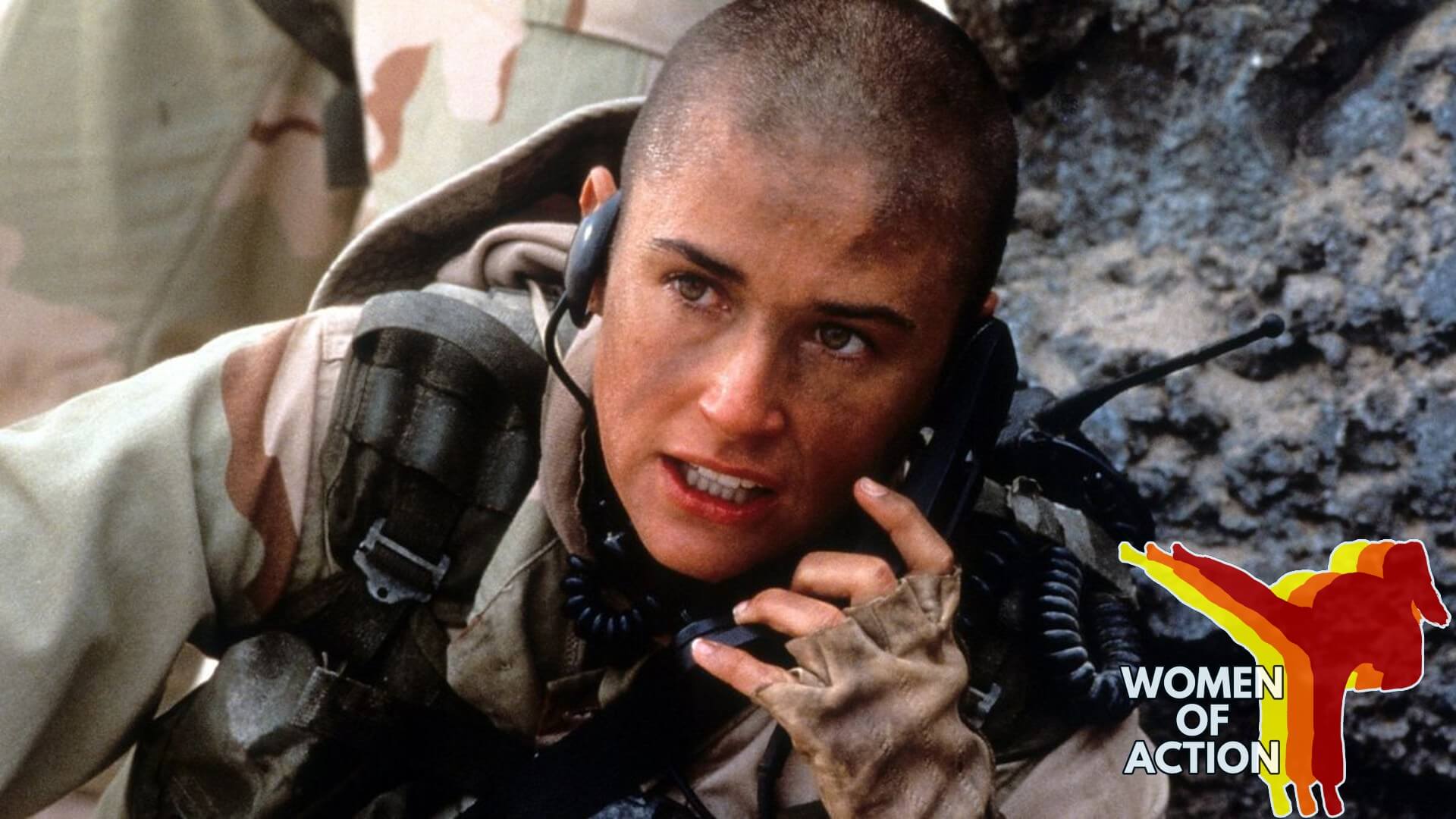
G.I. Jane let women star in military propaganda too
With Women Of Action, Caroline Siede digs into the history of women-driven action movies to explore what these stories say about gender and how depictions of female action heroes have evolved over time. The 1990s loved a woman in uniform. Jamie Lee Curtis joined the police force in Blue Steel. Jodie Foster worked for the FBI in The Silence Of The Lambs. Michelle Yeoh became a supercop in Police Story 3. Captain Janeway debuted as the first female lead of a Star Trek show. Even Disney sent a princess to join the army. It was a decade where female power was measured by breaking glass ceilings and climbing institutional ranks. And nowhere is that more apparent than in one of the most thunderously on-the-nose female-led action movies ever made: 1997’s G.I. Jane. Call it Private Benjamin without the comedy or just a message movie without subtext, but the film that’s probably now best associated with Will Smith’s infamous Oscars slap has become a fascinating cultural curio in the nearly three decades since its release. On the one hand, it captures an impressively committed Demi Moore, shifting her image from romantic Brat Pack darling to hardcore, shaved-head Navy SEAL. On the other, it raises some thorny questions about what’s actually empowering when it comes to female action heroes. In other words: Ladies, is it feminist to join the military industrial complex? Above all, G.I. Jane suffers from “the Barbie monologue problem,” wherein openly discussing sexist double standards feels dorky and heavy-handed even when it’s true. That in and of itself is a tool of patriarchy. Sexism is tied up in a certain kind of middle-school bully mentality; part of how it operates is in deeming the things women are passionate about embarrassing or unimportant. And that includes making it feel “uncool” to directly point out misogyny itself, even though there’s really no way to make a woman-led war movie—a genre that has elevated so many male actors’ careers—without directly tackling sexism. And yet even knowing that, the first five minutes of G.I. Jane feel absolutely insane in their bluntness. The film opens with a dramatic helicopter shot into Washington D.C. where steely Senator Lillian DeHaven (Anne Bancroft doing her best Foghorn Leghorn) is grilling Secretary Of The Navy candidate Theodore Hayes (Daniel Von Bargen) on his uneven progress regarding women in the military. While he boasts about the Navy’s many roles for women and new sensitivity courses for male recruits, he’s been caught on the record making fun of a female aviator who died in a crash last year. “If a cannibal used a knife and fork, would you call that progress too?” Senator DeHaven sneers at his confirmation hearing. As DeHaven explains to the press, because women aren’t allowed to serve in combat roles, nearly one-quarter of the jobs (and a lot of the swiftest career advancements) in the U.S. military are off-limits to them. So she cuts a backroom deal with the Department Of Defense: If they agree to start moving towards a fully “genderblind Navy,” she’ll support Hayes’ confirmation. Now all she needs to do is find the right test-case trainee to prove that female candidates can measure up to the men. To its credit, G.I. Jane does get a bit more nuanced as it goes along. The men at the DoD want the experiment to fail, so they decide the female candidate will have to pass the hardest course in the Navy—the SEALs “Combined Reconnaissance Team,” which has a 60% dropout rate. Meanwhile, DeHaven mostly just wants her chosen test candidate to have the right kind of PR sheen. (“Is this the face you want to see on the cover of Newsweek?”) So she rules out anyone who looks too butch and, when she meets with topographical analyst Lieutenant Jordan O’Neil (Moore), she immediately asks if O’Neil has a boyfriend—they can’t hang the program on someone who’s “batting for the other side.” G.I. Jane is at its most interesting when director Ridley Scott is at his most cynical. That’s the tone…

Bruce Springsteen condemns ICE's "gestapo tactics" at surprise show

MIO: Memories In Orbit will be hard to forget

The ending of 28 Years Later: The Bone Temple reveals its faith in the humanities
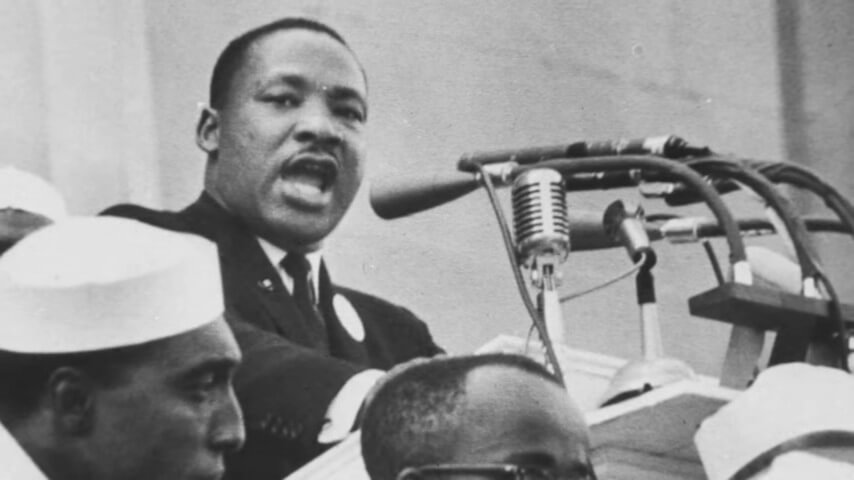
Happy Martin Luther King Jr. Day from The A.V. Club
It’s Martin Luther King Jr. Day, and The A.V. Club is closed today, which means no news coverage. In the meantime, we hope you enjoy our continued coverage of Industry and our recap of last night’s premiere of A Knight Of The Seven Kingdoms. Later today, you can also look for Caroline Siede’s latest entry into the Women Of Action column and features across our film, TV, and games verticals. Today is the 40th year that MLK Day has been celebrated. The holiday was signed into law in 1983 by, believe it or not, Ronald Reagan, and celebrated for the first time in 1986. It wasn’t until 2000 that South Carolina finally recognized the holiday, marking the first year it was observed as a holiday throughout the United States.