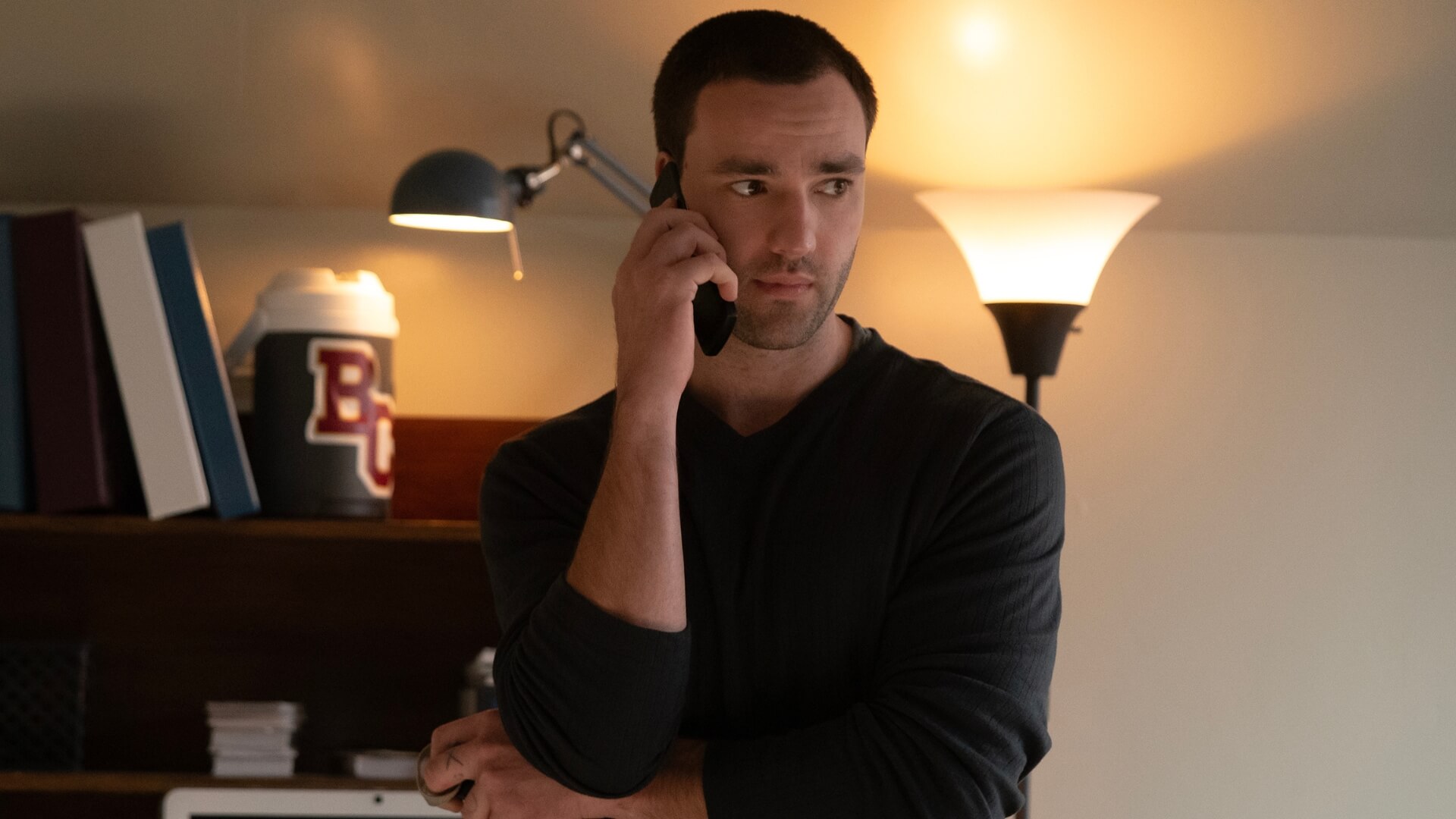
The Killers’ “Mr. Brightside” might be triggering to those who’ve watched Tell Me Lies. The song punched up a crucial season-one finale moment when Lucy Albright (Grace Van Patten) stood frozen in place as her college boyfriend left a party they arrived at together, holding hands with his wealthy ex, Diana (Alicia Crowder), indicating a quietly cruel breakup. Stephen DeMarco (Jackson White) didn’t so much as glance at or say a word to Lucy while walking past her, publicly crushing her heart mere days after they confessed their true feelings and exchanged dark secrets from their respective pasts that he then used to manipulate her. This betrayal helped cement Stephen as an antagonizing villain instead of a troubled love interest with potentially redeemable qualities.
Complex relationship issues are built into similar melodramatic dramas. Yet, this turn of events was shocking enough that social media had a ton of videos documenting people losing their minds over this scene, as if it was Game Of Thrones‘ Red Wedding or Severance‘s Mark Scout yelling, “She’s alive!” The visceral response is because the show realistically (and frighteningly) depicts his layers of emotional abuse and how they trap those around him. In its ongoing third season, Hulu’s drama continues to evoke a primal response to Stephen’s increasingly vile behavior. As Lucy’s friend declares in the premiere, “He is evil incarnate.” And she doesn’t even know half of the things the guy’s done, like accidentally killing Lucy’s freshman-year roommate (whom he was secretly hooking up with!) while driving drunk and blaming it on someone else, among a laundry list of awful deeds.
Tell Me Lies, based on Carola Lovering’s 2018 novel, initially appears to unpack a romance between Stephen and Lucy in the vein of Gossip Girl‘s Chuck and Blair or Euphoria‘s Nate and Cassie. It’s the one where destructive, entitled young men don’t get sufficient character growth, but they still end up with the women they desire. In this case, the two Baird College students are drawn to each other and begin a steamy relationship before it spirals into a catastrophe, largely due to Stephen’s chilling narcissistic tendencies. Series creator Meaghan Oppenheimer doesn’t seem interested in justifying his gross actions. The show pointedly does the opposite to dissect how his misogyny messes with Lucy, who begins losing her sense of self along the way. In a Forbes interview last year, Oppenheimer said she that aimed to make a show that “explored how we undermine ourselves when we fall for the wrong people.”
Stephen is not a broody antihero like GG‘s Chuck or The Vampire Diaries‘ Damon Salvatore, nor is he a grown-up taking advantage of someone younger and more vulnerable, like Pretty Little Liars‘ Ezra Fitz. A lot of shows about young romances have gotten away with masking problematic behavior under the guise of calling it passion, igniting ‘shipping wars and fandom discourse. Granted, it’s easier to take The CW dramas like TVD or PLL less seriously because of their over-the-top tones. Tell Me Lies insists on keeping things far more accurate at the cost of pushing the protagonists and the audience to the edge. The chances are high that you’ll pause after every episode to let out a scream, but the rage bait is worth it, especially in season three.
Lucy gets roped in by Stephen’s words and charm again, briefly reuniting with him after he deludes her into believing things will be different this time. But he’s acutely aware of how she functions and why she seeks validation, so he doesn’t use violence or a loud voice to control her. Instead, he strategically breaks her down mentally. Episode three, “Repent,” ends with the show’s most stomach-churning scene so far, with White telling The Hollywood Reporter that he had to walk off the set to calm down during its filming. After learning that Lucy slept with his best friend because he dumped her, Stephen admits he wants to hurt her. So he forces Lucy to make a tape, guiding her into repeatedly confessing that she lied about suffering a sexual assault. The scene is intercut with Lucy later hooking up with another man, asking him to shame her during aggressive sex. In talking about this with THR, Oppenheimer said that “[Lucy] is in such a shame spiral that she believes this is what she deserves.”
To the show’s credit, Stephen’s actions aren’t absolved, but his character isn’t one-note either. His own turbulent upbringing and complicated relationship with his mother (played by White’s real-life mom, Katey Sagal) factor into his behavior, but it’s not presented as an excuse (something Gossip Girl and TVD heavily relied on). Tell Me Lies feels further realistic because Stephen seemingly doesn’t face consequences. As the future timeline reveals, he’s a successful lawyer and is engaged to Lucy’s childhood BFF. But it’s just another way for him to torture her long after they’ve graduated, with the two falling into a similar cycle when they reunite at a wedding. This push-and-pull dynamic mirrors real psychological abuse patterns and trauma bonding. While previous shows about young relationships have their fair share of terrible young men, including “bad boys,” Tell Me Lies captures an unsettling reality. It may be chock-full of steamy sex, juicy storylines, and unhinged decisions, but the show offers nuanced commentary on toxic masculinity that makes it both compelling and vital.
Saloni Gajjar is The A.V. Club‘s TV critic.