Le Journal
Suspect in Morgan Hill teen's slaying appears in court
Warriors star Jimmy Butler talks NBA journey and running his own business
Former California deputy suspected of stabbing his 11-year-old son killed during police pursuit
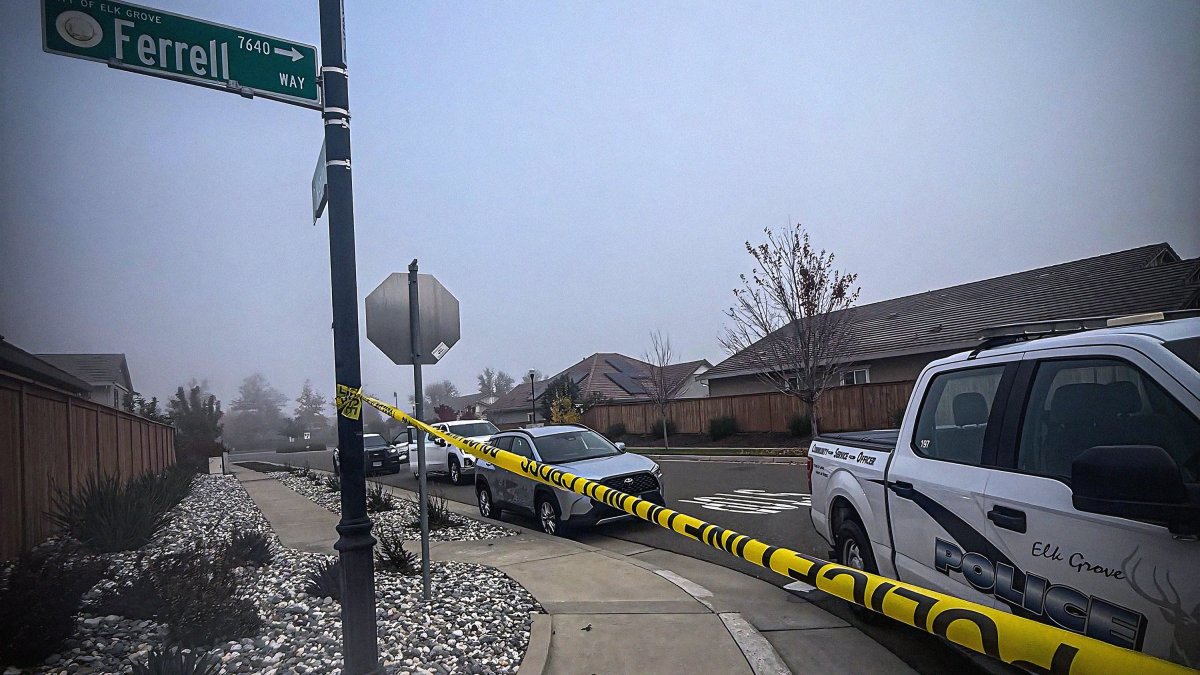
A former California sheriff’s deputy suspected of fatally stabbing his 11-year-old son was shot and killed by law enforcement officers on Tuesday after he led them on a car chase along Interstate 5, authorities said. Police in Elk Grove, near Sacramento, responded around 8 a.m. to a call from a mother who said she was concerned about the safety of her two children after seeing home security footage of their father assaulting their 11-year-old son, officials said. Responding officers found the boy with stab wounds, police said. He later died at a hospital. His 6-year-old sister was unharmed. Their father had fled the scene and was spotted driving south on I-5, according to the Sacramento County Sheriff’s Office. A pursuit ended in a crash near Lodi when the California Highway Patrol deployed a spike strip. After the crash, the suspect was shot by officers, officials said. He died at a hospital. The Elk Grove Police Department confirmed to KCRA-TV that the deceased suspect is 40-year-old Marvin Morales, a former Sacramento County sheriff’s deputy. He had been fired from the agency in February 2024 after being caught using illicit drugs, sheriff’s Sgt. Amar Gandhi told reporters. At least two deputies were involved in Tuesday’s shooting, Gandhi said. Elk Grove police said one of their officers was also involved. No deputies or officers were hurt. It wasn’t immediately known if Morales fired at law enforcement. Officials said a gun safe at the suspect’s home was found empty. The shooting is under investigation.
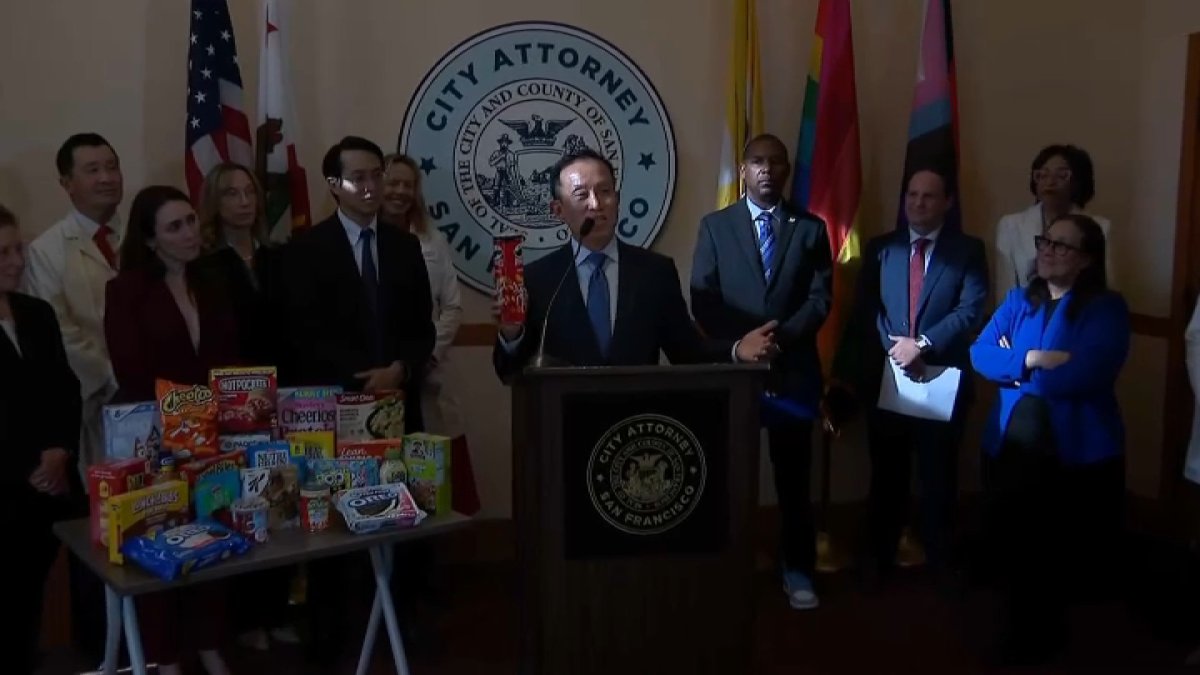
San Francisco sues nation's top food manufacturers over ultraprocessed foods

Spotify Wrapped 2025: Bad Bunny dethrones Taylor Swift as most-streamed artist
Milpitas restaurant at center of viral meat throwing video closes permanently
The Milpitas pho restaurant where an employee was captured on camera slamming frozen ribs onto the ground in a back parking lot is closing permanently. Two weeks ago, someone took to social media and posted a now-viral video showing a Pho Love restaurant employee throwing frozen ribs on the ground outside the eatery to break them up. County health inspectors shut the restaurant down temporarily, but not because of the video. Their report said the restaurant was shuttered because they found a tray of un-refrigerated chicken and a cockroach inside. Pho Love was cleared to reopen last week but did not do so. At the time, the restaurant’s owners told NBC Bay Area they were fearful of reopening because of the backlash and hate messages they had received on social media. milpitas Nov 25 Viral meat throwing video: Milpitas restaurant passes inspection and can reopen milpitas Nov 24 Viral meat throwing video: Inspection found cockroach, tub of chicken on floor milpitas Nov 20 Milpitas restaurant shuts down after disturbing video goes viral
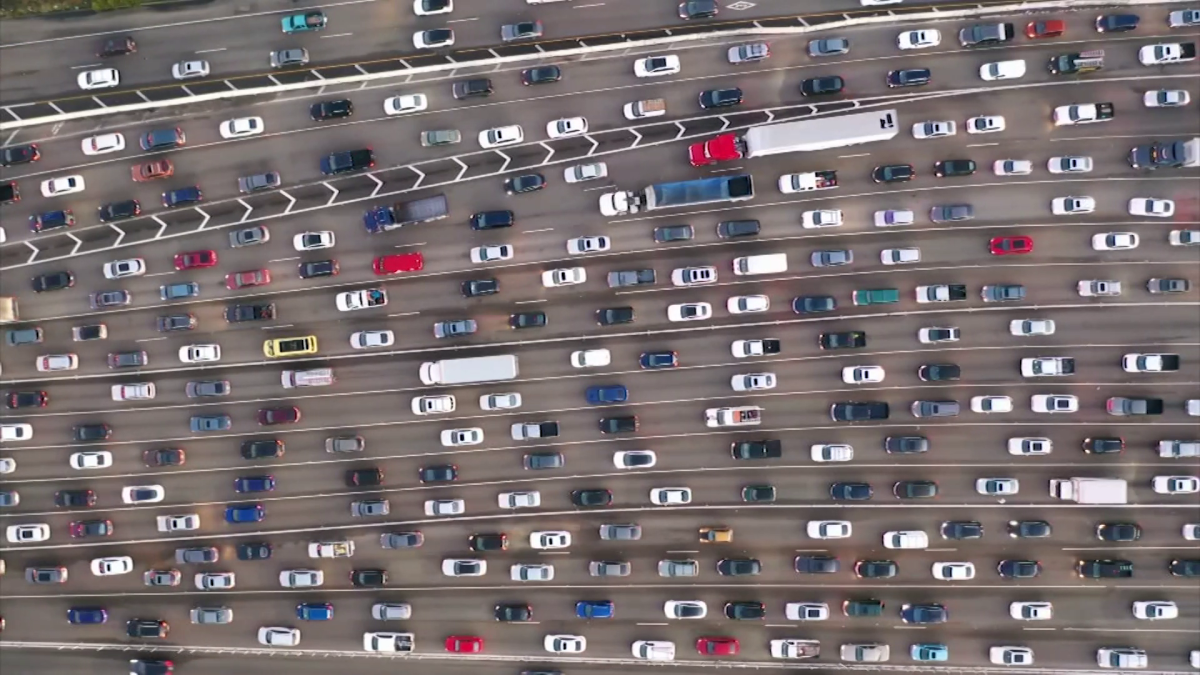
Driverless trucks could soon be headed to California highways
California drivers are already sharing the highway with driverless cars, but it may not be long before self-driving big-rigs get the green light as well. On Wednesday morning, state regulators at the California DMV are releasing another round of proposed regulations to start a statewide testing program for driverless trucks weighing more than 10,000 pounds. California Apr 25, 2024 Bills aimed at closing traffic ticket loophole for driverless cars get initial green light California Apr 24, 2024 California lawmakers clear path for more oversight, traffic tickets for driverless cars The DMV released its first draft last year, and the basic rules are remaining intact, which means the process would largely mirror the testing program for driverless cars, where companies first test the vehicles with a safety driver in the front seat who could take over if needed, and then move on to testing without any driver at all. The regulations also are expected to include a new process for citing autonomous vehicle companies when their cars or trucks violate traffic laws. Previous reporting by the NBC Bay Area Investigative Unit exposed a loophole that found autonomous vehicles in California cannot be cited for moving traffic violations since transportation laws require tickets to be issued to actual humans. As for the DMV’s latest proposal, the public will get the next 15 days to weigh in on the plan. The DMV has yet to release any sort of timeline on when exactly self-driving big-rigs could eventually hit the road in California. Watch our entire investigative series Part 1: Driverless cars seek San Francisco expansion despite worries tech is unsafe Part 2: CPUC votes to expand driverless car operations in San Francisco Part 3: San Francisco city attorney files motion to pump the brakes on driverless cars Part 4: Google’s Waymo says insurance data shows its driverless cars are safer than humans Part 5: Hit-and-run driver strikes pedestrian, tossing her into path of Cruise car in San Francisco Part 6: Driverless trucks and robot deliveries promise fewer traffic jams than robotaxis Part 7: Cruise says its robotaxis can now better detect emergency vehicles Part 8: California DMV orders Cruise’s driverless cars off the road Part 9: Driverless cars immune from traffic tickets in California under current laws Part 10: GM’s Cruise lays off nearly 25% of its workforce Part 11: Waymo’s driverless cars surpass 7 million miles, but are they safer than human drivers? Part 12: Cruise probe blames poor internet, “flawed” decisions for company’s woes Part 13: Driverless Cruise car accused of nearly hitting child following similar near miss Part 14: Cruise offers to pay $112,500 in fines to settle claims it misled regulators Part 15: Uber Eats now uses Waymo Self-Driving cars to offer driverless deliveries Part 16: Bills aimed at closing traffic ticket loophole for driverless cars get initial green light Part 17: School crossing guards say they’ve had to dodge driverless cars to avoid being hit Part 18: Cruise ordered to pay $112,500 in penalties for withholding info from regulators Part 19: Waymo waitlist over in SF, all can hail driverless cars Part 20: SF Mayor vows to hold driverless cars accountable after NBC Bay Area report Part 21: San Francisco officials meet with Waymo to discuss safety concerns near schools Part 22: California DMV gears up to allow driverless trucking despite calls to restrict big rigs Part 23: Cruise to abandon robotaxi business after tumultuous year Part 24: Waymo’s robotaxis surpass 25 million miles, but are they safer than humans? Part 25: Waymo robotaxi rear-ended in fatal multi-car collision in San Francisco Part 26: Multi-car wreck slams Waymo, marks first time driverless car involved in fatal crash Part 27: Waymo’s driverless cars reach Silicon Valley, but when can you hail ride to SFO? Part 28: Waymo says its driverless cars are better than humans…
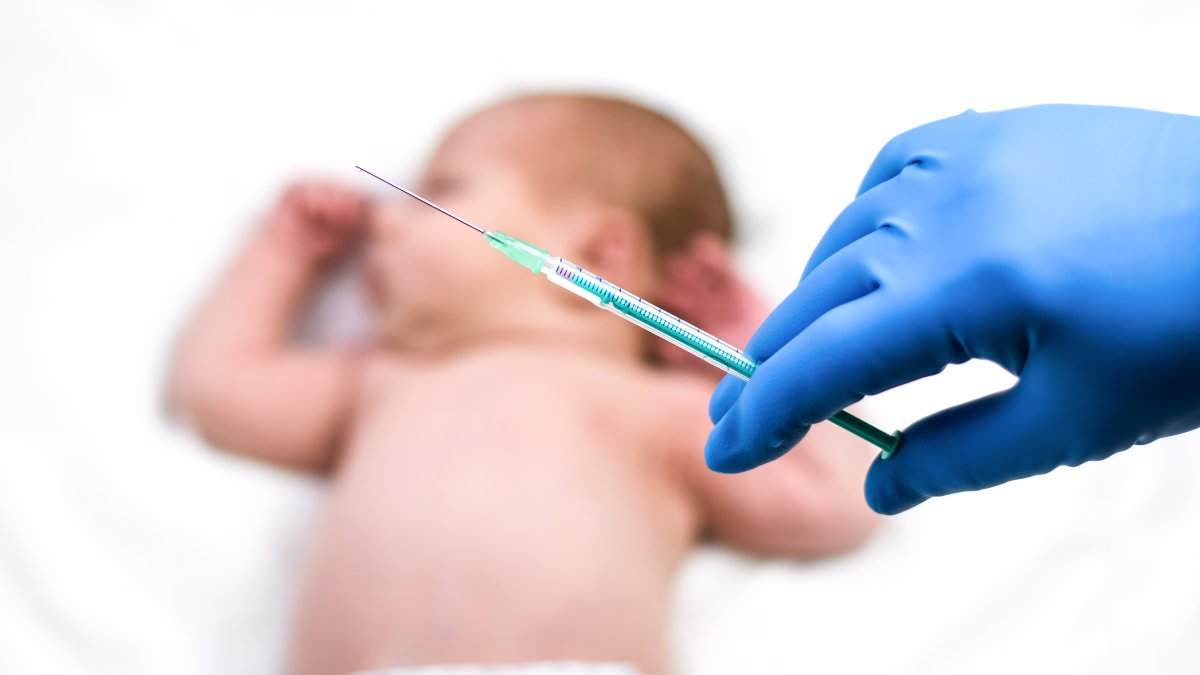
CDC advisers could reverse newborn hepatitis B vaccine recommendations
A group of advisers to the Centers for Disease Control and Prevention is preparing to vote on whether the agency should scrap its long-standing recommendation that every baby get a hepatitis B vaccination within 24 hours of birth. The shot — universally recommended for newborns in the U.S since the early 1990s — is credited with driving down cases of acute hepatitis B infections in kids by 99%. The virus, which can be passed from mother to baby during childbirth, can lead to liver disease and early death. There is no cure. Despite its success, the hepatitis B vaccine has become the latest target of skeptics who question whether the benefits of the shot outweigh potential risks. A vaccine given on “day one has a risk of neonatal fever, which causes more interventions” like blood work to determine the cause of the fever, said Dr. Kirk Milhoan, a pediatric cardiologist who practices at Driscoll Children’s Hospital in Corpus Christi, Texas. Milhoan has been a member of the CDC’s Advisory Committee on Immunization Practices (ACIP) since June, when Health Secretary Robert F. Kennedy Jr. fired all of its members, replacing them with his own appointees. On Monday, Milhoan was named the new ACIP chair, replacing Martin Kuldorff, a biostatistician who previously cast doubt on childhood vaccines, including the one for hepatitis B. Dr. Sean O’Leary, a pediatric infectious disease expert and spokesman for the American Academy of Pediatrics, said he has never seen a serious reaction after “thousands of babies” have been given the hepatitis B vaccine. “I never once saw a fever actually associated with hepatitis B vaccine,” O’Leary said at a media briefing Tuesday. And a review of more than 400 studies found no evidence that the birth dose of the vaccines causes any short- or long-term health problems. On the contrary, the review of research, published Tuesday by the Vaccine Integrity Project, an independent group of experts led by the Center for Infectious Disease Research and Policy at the University of Minnesota, found that giving newborns the hepatitis B vaccine has prevented more than 6 million infections and nearly 1 million hospitalizations. The paper was not published in a peer-reviewed journal. ACIP is scheduled to meet Thursday and Friday. The committee makes recommendations to the CDC director, who can then choose whether to adopt them. While a vote against newborn vaccination does not prohibit doctors from administering the shot, the panel’s recommendations influence insurance coverage. It’s unclear whether the ACIP members would vote to eliminate or delay that first dose of a hepatitis B vaccine by a month or two. The agenda posted online as of Tuesday described the meeting in broad strokes, offering no details about who would be presenting data. A vote on the vaccine was supposed to take place at an ACIP meeting in September, but it was tabled because of confusion among committee members. Hepatitis B can spread through sexual contact and sharing drug paraphernalia, such as needles. It can also pass from person to person if they share common household items such as toothbrushes or razors. Milhoan said any decision to give newborns hepatitis B vaccines should be made based on clinicians’ individual assessments of the babies’ risk for infection — that is, whether a pregnant woman tests positive for the infection or has a “questionable infectious disease background.” At September’s ACIP meeting, the panel voted unanimously to recommend testing all pregnant women for hepatitis B. But not all pregnant women receive prenatal care, and if they do, not all feel comfortable speaking frankly with their doctors. Milhoan appeared to dismiss the argument that women may not divulge activities that could increase their risk for hepatitis B because of stigma. Vaccines Dec 2 The HPV vaccine is safe and cuts cervical cancer risk by 80%, large reviews find Health & Science Oct 21 How anti-science bills are reshaping American health laws built over…

What Happens to Victoria & Albert After ‘Victoria’ Season 3 Finale? A History Lesson
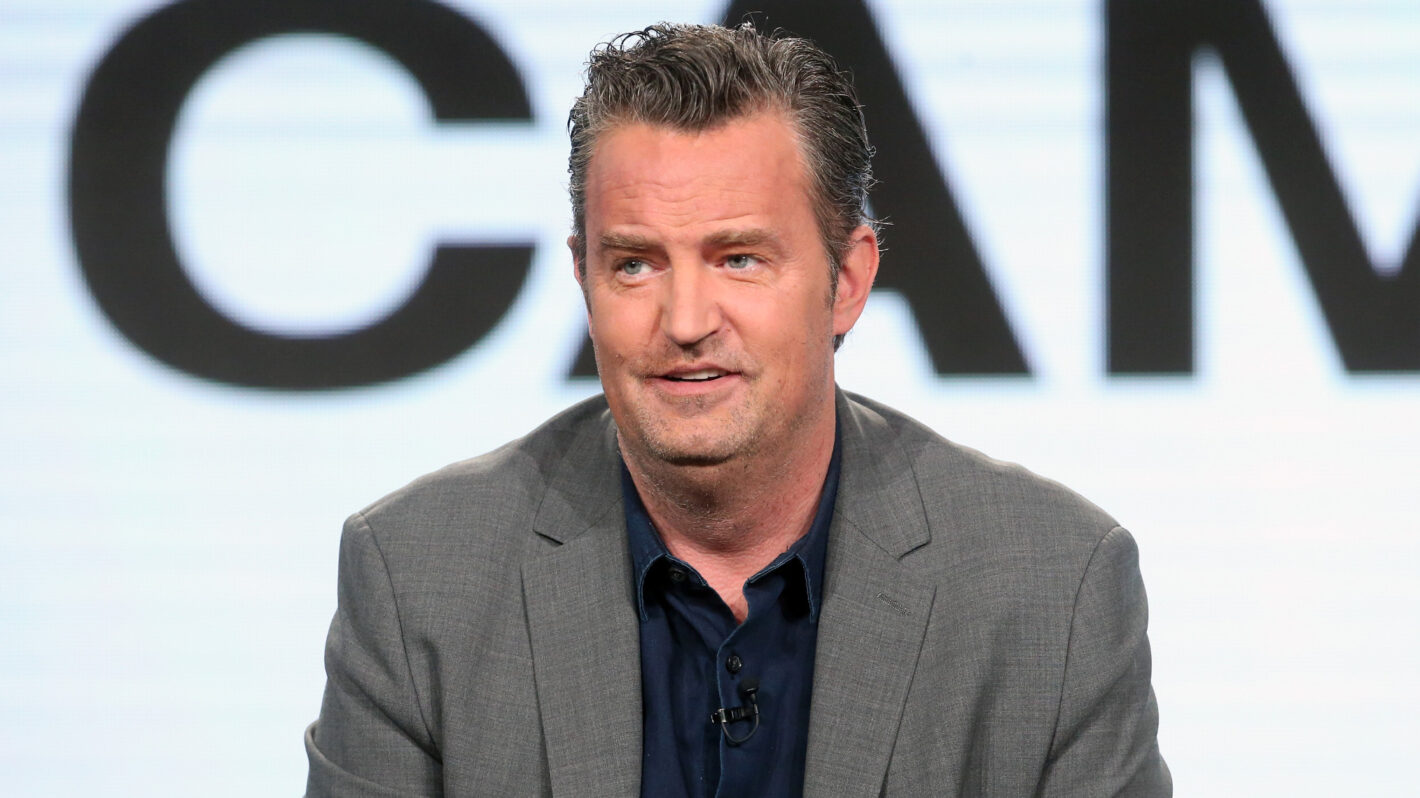
Matthew Perry’s Doctor Sentenced to 30 Months in Prison for Supplying Ketamine
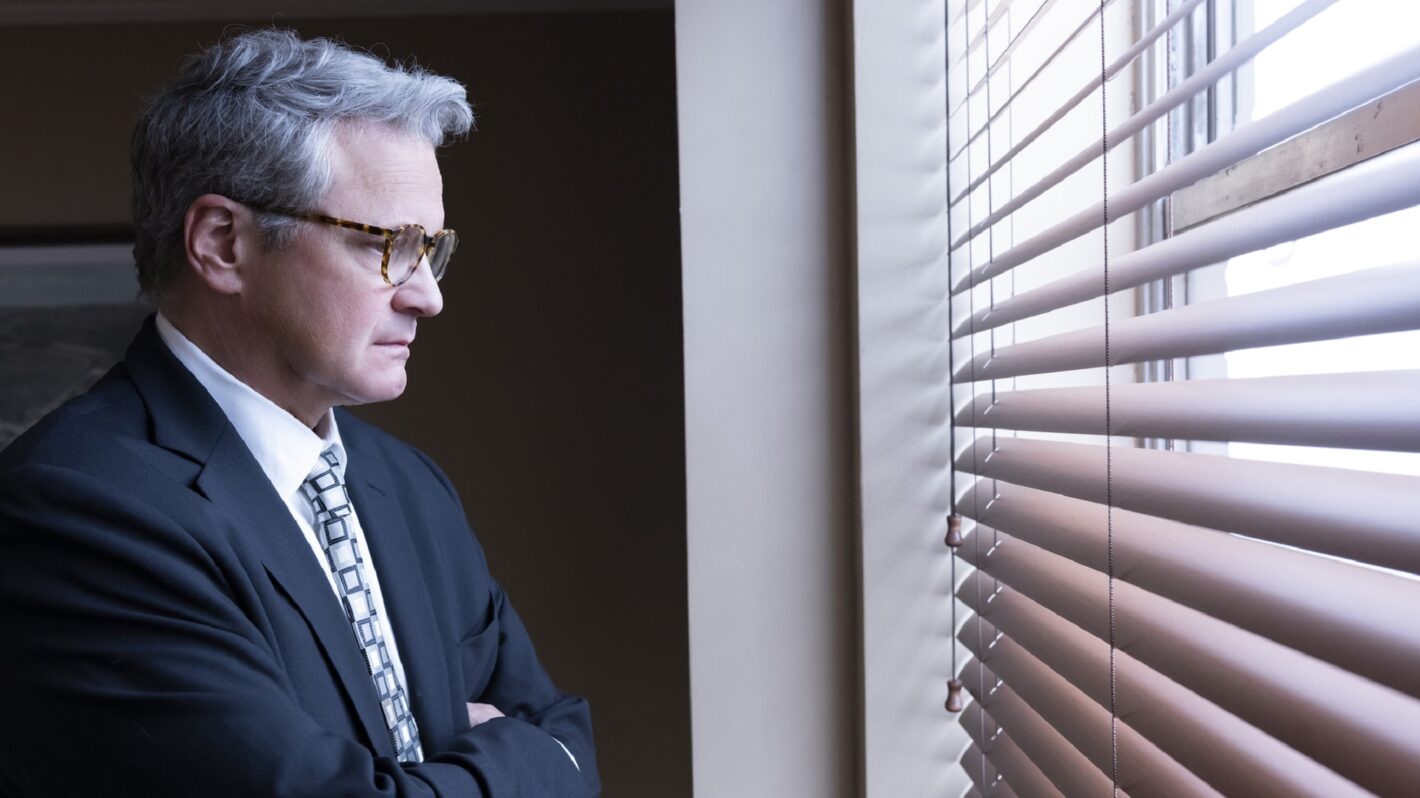
‘The Staircase’ Showrunner Reflects on Adapting the Petersons’ Story for TV