A Reasonable, Lawful and Practical Approach with Simplicity
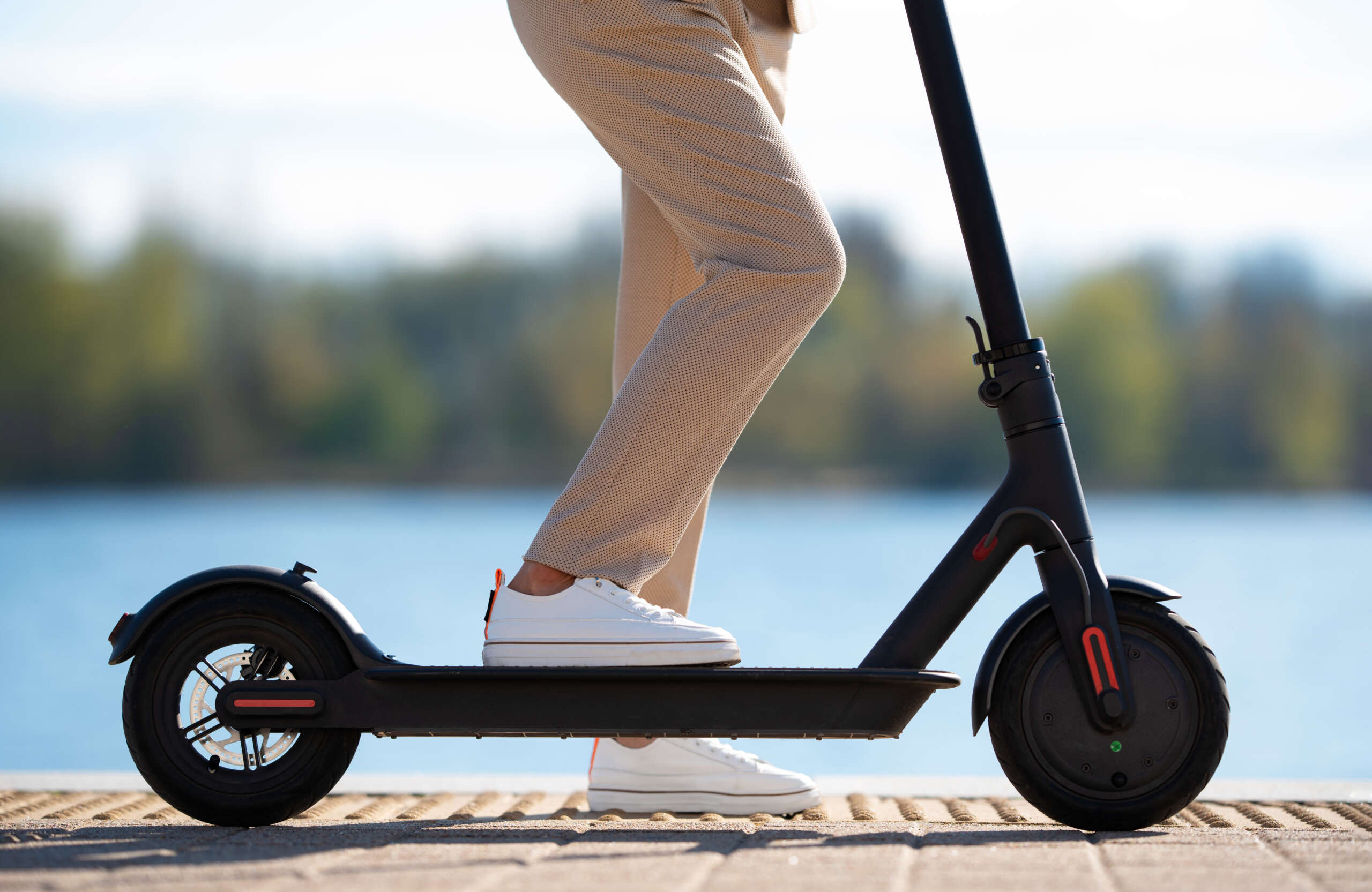
A practical approach to e‑bike regulation should start with what these vehicles actually are. Most e‑bikes on our roads function essentially as bicycles with an electric assist—not as motorbikes or scooters. Because of that, the requirements should remain simple and proportionate.
1. Licensing
It’s reasonable for an operator to hold a valid Cayman Islands driver’s licence or be at least 17 years old with such a licence. That ensures basic road awareness and accountability without creating unnecessary barriers.
2. Insurance
Mandatory motor insurance isn’t necessary for e‑bikes. If a rider crashes, the responsibility for their own injuries falls on them—through personal health insurance or out‑of‑pocket costs. E‑bikes are unlikely to cause significant damage to other vehicles, and in the rare case of injury to another person, the matter can be resolved privately or through the courts, just as with any other civil incident.
3. Registration and Inspection
We don’t require bicycles to be registered with DVDL, and e‑bikes—being bicycles with a battery—should not be treated differently. Requiring registration, inspection, or roadworthiness testing would be disproportionate and burdensome for both the public and the Department.
4. Traffic Compliance
What is essential is that riders follow the rules of the road. A licensed operator who obeys traffic laws provides the level of safety and accountability the public expects.
In short, the goal should be clarity and practicality. E‑bikes are not motor vehicles in the traditional sense, and the regulations should reflect that while still promoting safe and responsible use. All traffic laws and violations already apply to these e-bikes even a regular bicycle such as but not limited to DUI (Alcohol and/or Drugs), as-well-as driving or operating recklessly.
Be safe!
Espace publicitaire · 300×250