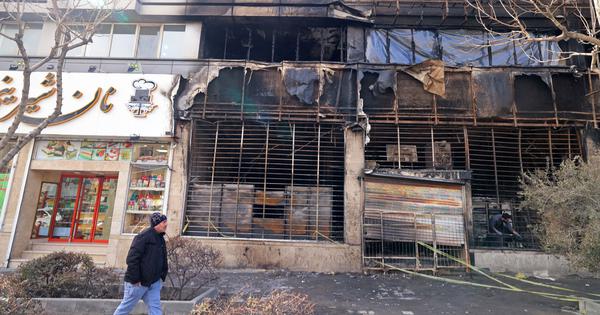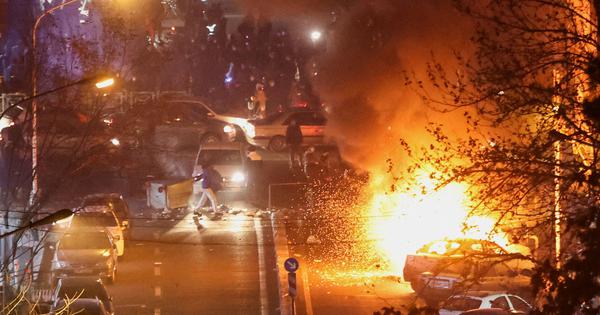
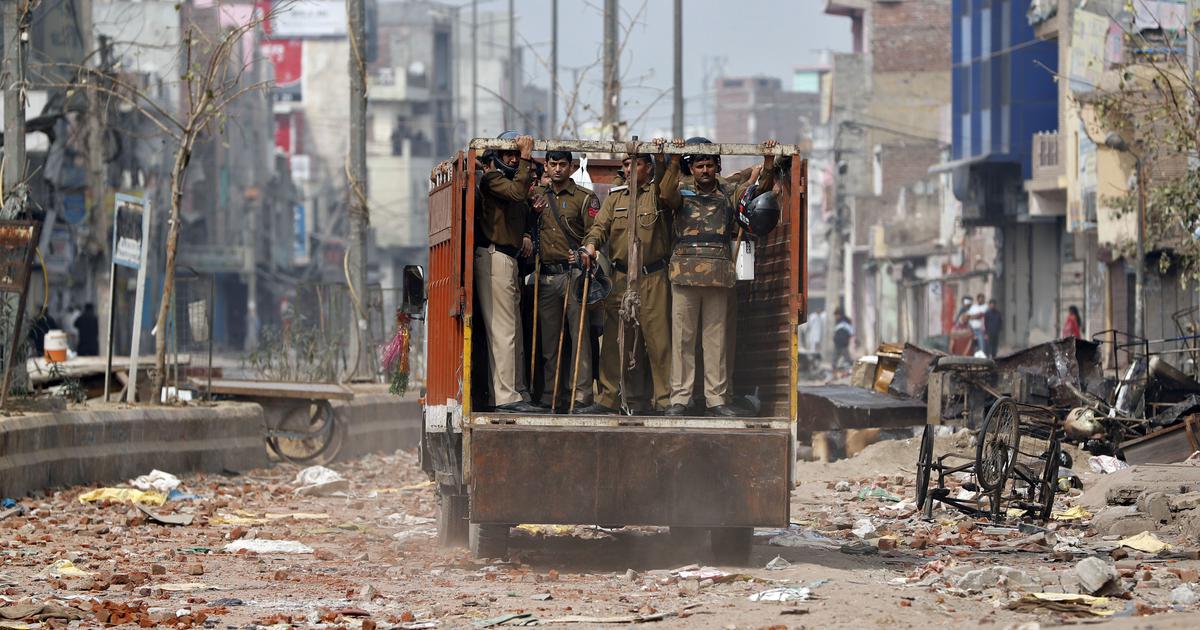
The capital of India, Delhi is no stranger to political violence. But the Delhi riots of 2020 set a new benchmark. The violence not only ended lives and livelihoods, it also transformed the city’s social and political landscape for the worse.
Six years on, the Delhi riots have sharpened polarisation and appear to be part of a wider pattern of orchestrated violence that is increasingly engulfing Delhi and the National Capital Region: from the demolition of Muslim working-class settlements to the riots in Haryana’s Nuh and the targeting of Bengali-speaking migrant workers following the Pahalgam terror attack in April 2025.
This makes it vital to understand how the Delhi riots actually happened, which is only possible through a full and fair investigation and punishment of the perpetrators.
Instead, the seemingly endless incarceration of young leaders like Umar Khalid and Sharjeel Imam on terror charges now masquerades as the effort to fix accountability for the riots.
Imam and Khalid are among the several young leaders of the movement against the controversial Citizenship Amendment Act, 2019, and the proposed National Register of Citizens. Months of protests and counter-protests in the winter of 2019 and early 2020 spiralled into violence and rioting in the national capital.
Though five others were granted bail by...