

The holiday season at Walt Disney World has always drawn substantial crowds, but the current situation unfolding across the resort suggests something beyond typical seasonal increases. What guests are experiencing right now represents a convergence of factors that have pushed operational capacity to its limits in ways that even seasoned Disney visitors find shocking. From monorail stations backing up with guests waiting in switchback queues that rival attraction wait times to parade viewing areas hitting capacity hours before showtime, the resort is managing crowd levels that are testing the infrastructure and guest experience standards Disney has built its reputation upon.
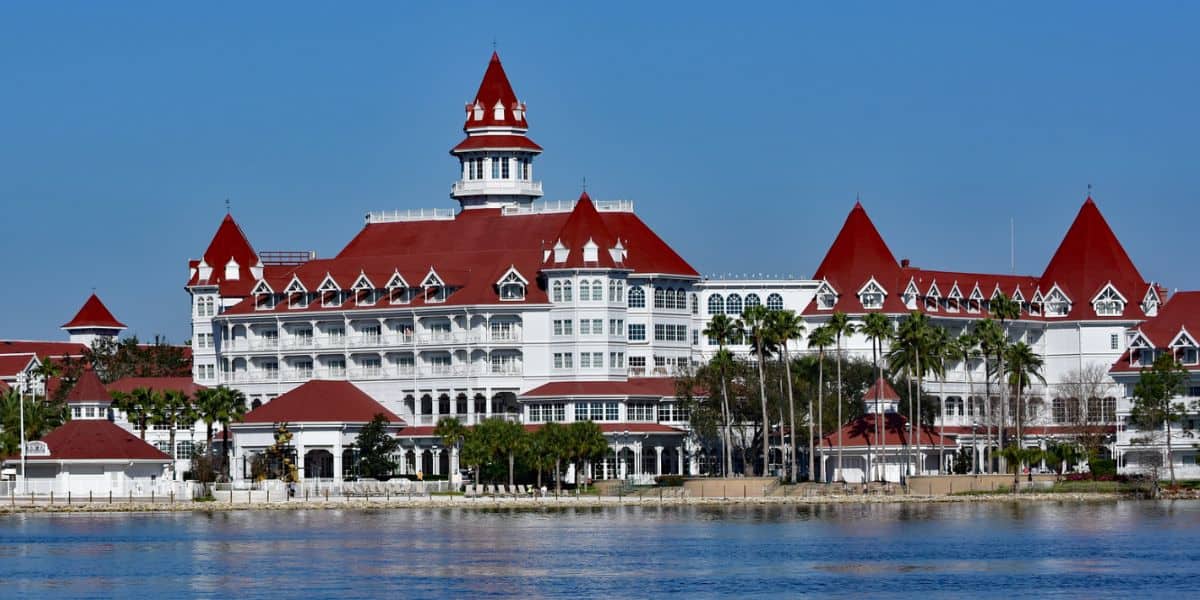
For guests who have invested thousands of dollars in premium resort accommodations specifically to avoid the worst of Disney’s notorious crowds, the current reality is particularly frustrating. The promise of deluxe resort perks includes convenient transportation access, with monorail resorts commanding premium pricing precisely because they offer what’s marketed as seamless, queue-free transit directly to Magic Kingdom and EPCOT. When those transportation advantages disappear under the weight of overwhelming demand, it fundamentally undermines the value proposition that justifies the steep nightly rates. Guests paying over a thousand dollars per night at Disney’s Grand Floridian Resort expect a certain level of convenience and service quality, and standing in extensive lines just to access basic transportation directly contradicts those expectations.
The situation also raises broader questions about Disney’s capacity management strategies during peak periods. While the company has implemented various crowd control measures over the years, from park reservations to dynamic pricing designed to distribute demand more evenly, the current holiday season suggests those systems are either inadequate or being overwhelmed by visitor volumes that exceed what the infrastructure was designed to handle. When even fundamental resort services like monorail transportation become bottlenecked to the point where guests are documenting and sharing their frustration on social media, it signals that something in the operational planning has failed to account for the reality on the ground.
The Grand Floridian Monorail Situation

Recent social media posts have highlighted just how extreme the transportation situation has become at Disney’s most expensive resort. Nick Chappell shared video footage on X showing extensive lines at the Grand Floridian monorail station, writing “Imagine paying all that money to stay on the monorail loop and then see the line to actually use the monorail.”
Imagine paying all that money to stay on the monorail loop and then see the line to actually use the monorail.

pic.twitter.com/8HjNFm1jbx
— Nick Chappell (@NickChaps96) December 15, 2025
The video reveals queues stretching well beyond what would typically be expected at a resort monorail station, with guests packed into switchback configurations more commonly associated with theme park attractions than with hotel transportation. For context, rooms at the Grand Floridian regularly exceed one thousand dollars per night during peak seasons, making it one of the most expensive hotel properties at Walt Disney World. Part of that premium pricing is justified by the convenience of monorail access, which theoretically allows guests to bypass bus transportation and arrive at Magic Kingdom within minutes.
However, when monorail demand exceeds capacity to the point where substantial queues form at resort stations, that convenience advantage largely evaporates. Guests find themselves waiting in line for extended periods just to board transportation, negating much of the benefit they paid premium rates to secure. The situation becomes particularly frustrating during park opening and closing times when demand concentrates as thousands of guests attempt to travel simultaneously.
The Grand Floridian situation is not isolated. Similar extensive lines have been reported at Disney’s Polynesian Village Resort, another monorail property where guests pay premium rates specifically for transportation convenience. When multiple deluxe resorts on the monorail loop experience simultaneous transportation bottlenecks, it suggests systemic capacity issues rather than isolated operational hiccups.
Crowds Throughout the Resort

The monorail station backups represent just one visible symptom of the broader crowd challenges currently affecting Walt Disney World. As Christmas approaches, wait times throughout the theme parks have increased substantially, with popular attractions regularly posting wait times exceeding two hours even on weekdays traditionally considered less busy.
The crowd situation has become severe enough that Magic Kingdom has begun implementing capacity restrictions on viewing areas for entertainment offerings. Recent announcements over the park’s public address system have alerted guests that Disney Starlight, the evening parade, has hit viewing capacity. This means that prime viewing locations along the parade route filled to the point where cast members had to turn away additional guests for safety reasons.
Parade viewing capacity announcements are relatively rare at Disney parks and typically only occur during the absolute busiest days of the year. The fact that this is happening regularly during the current holiday season indicates crowd levels that are pushing against operational limits. When guests cannot secure viewing spots for major entertainment offerings despite arriving well in advance, it creates frustration and disappointment that undermines the overall vacation experience.
Why This Matters
The current crowd situation at Walt Disney World highlights the tension between Disney’s business objectives and guest experience quality. The company has clear financial incentives to maximize park attendance and resort occupancy, particularly during high-demand periods like the Christmas season when guests demonstrate willingness to pay premium prices. However, there are practical limits to how many people the infrastructure can accommodate while maintaining the experience standards guests expect.
Monorail systems have fixed capacity determined by the number of trains in operation and the frequency of service. When demand exceeds that capacity, queues form regardless of how much guests paid for their resort rooms. Similarly, parade viewing areas have physical space limitations that cannot be expanded beyond certain thresholds without compromising safety and sightlines.
For guests planning future visits, the current situation serves as a stark reminder that peak holiday periods at Disney World come with significant operational challenges that can impact even the most carefully planned vacations. Premium resort accommodations do not guarantee immunity from crowd-related frustrations when overall visitor volumes push infrastructure to its limits.
The monorail line situation at the Grand Floridian and Polynesian resorts particularly illustrates how crowd levels can negate the intended benefits of deluxe resort stays. Guests investing in these premium properties specifically to avoid transportation hassles are instead finding themselves in extensive queues that eliminate much of the convenience they paid to secure.
As the holiday season continues, these crowd challenges are likely to persist through the Christmas and New Year period. Guests currently at the resort or planning imminent visits should anticipate substantial wait times for both attractions and basic services like transportation, regardless of where they are staying or how much they paid for accommodations. The current reality at Walt Disney World demonstrates that even the most expensive resort options cannot fully insulate guests from the operational impacts of extreme crowd levels during peak holiday periods.
The post $1000+ Per Night Disney Resort Unable to Maintain Transporting Guests to Park appeared first on Inside the Magic.


