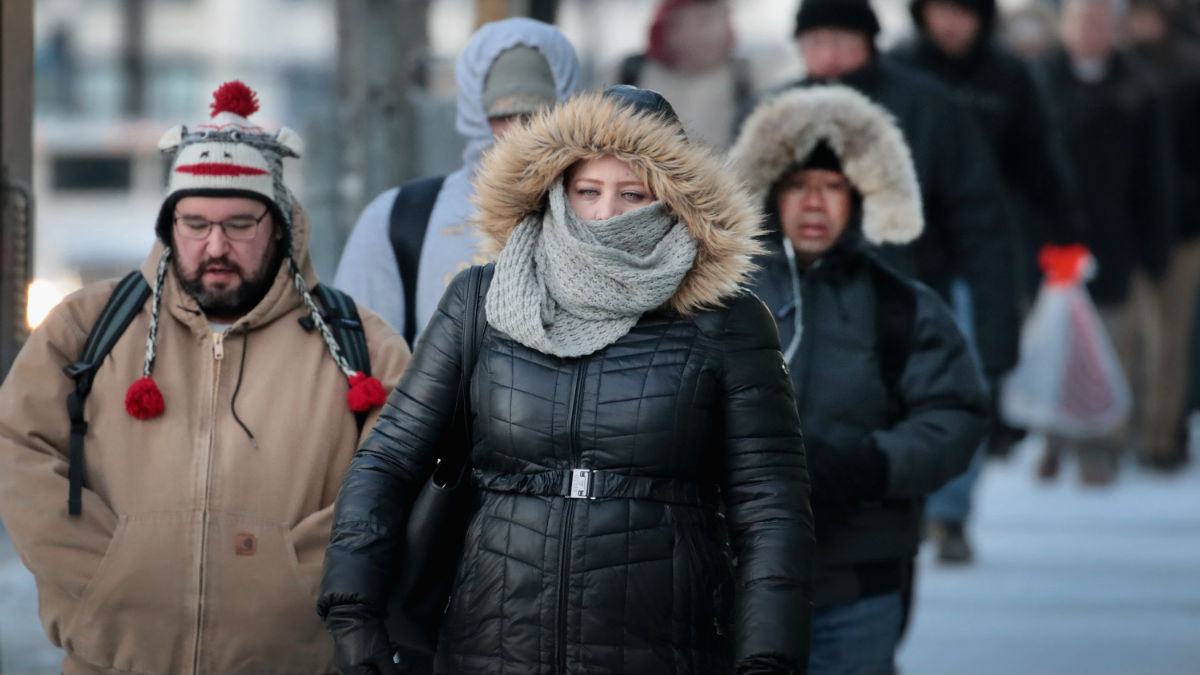
Frostbite isn’t the only medical concern to keep in mind during times of extreme cold.
While dehydration is often thought of as a worry to save for the summer, Chicago-area doctors say residents should weary of ‘winter dehydration’ amid the brutal cold front.
“Dehydration is less common during the colder winter months, but it can and does happen,” said Dr. Mark Loafman, chair of family and community medicine at Cook County Health. “While severe dehydration is less common in the winter it is still life threatening when it does happen, so recognizing the signs and taking immediate action are just as important now as it is during the hottest summer days.”
Winter dehydration is also sometimes referred to as “cold dehydration” — though the symptoms are the same as what many have experienced in hotter weather.
NBC Chicago asked local medical experts for advice on how people can stay healthy amid the chilly weather.
What causes winter dehydration
“Cold weather can increase the risk of dehydration, as people often feel less thirsty in low temperatures while still losing fluids through breathing, sweat and dry indoor air,” according to a statement from Yanina Purim-Shem-Tov, MD, executive vice chair of the emergency department at Rush University Medical Center.
Though we’re less likely to dehydrate through sweating like in warmer temperatures, the hotter weather often serves as a reminder to drink water that we don’t get during cold weather.
In addition to not drinking enough water, experts said winter dehydration can be caused by a few factors:
- Medications/fevers due to illnesses that dehydrate
- Being in warm rooms with low humidity
- Increased layers of clothing can lead to more sweating
Signs and symptoms of winter dehydration
The symptoms of winter dehydration are the same as any form of dehydration.
Symptoms can include:
- dry mouth
- fatigue
- dizziness
- dark-colored urine
- increased urination
- headaches
- dry skin
- tiredness
- loss of appetite
- muscle cramps
- constipation
“Regardless of the weather, danger signs of severe dehydration are fainting, difficulty breathing, a rapid heartbeat, or confusion,” according to Cook County Health.
How to avoid it
Drinking water throughout the day, “even if you don’t feel thirsty,” is important to prevent winter dehydration, Purim-Shem-Tov said. “People should also dress appropriately for the cold, avoid overexertion, and seek medical attention if symptoms of dehydration become severe or persistent.”
Limiting excessive caffeine and alcohol intake and eating foods with a higher water content can help too.
Using a humidifier indoors can also keep you hydrated, Loafman added.