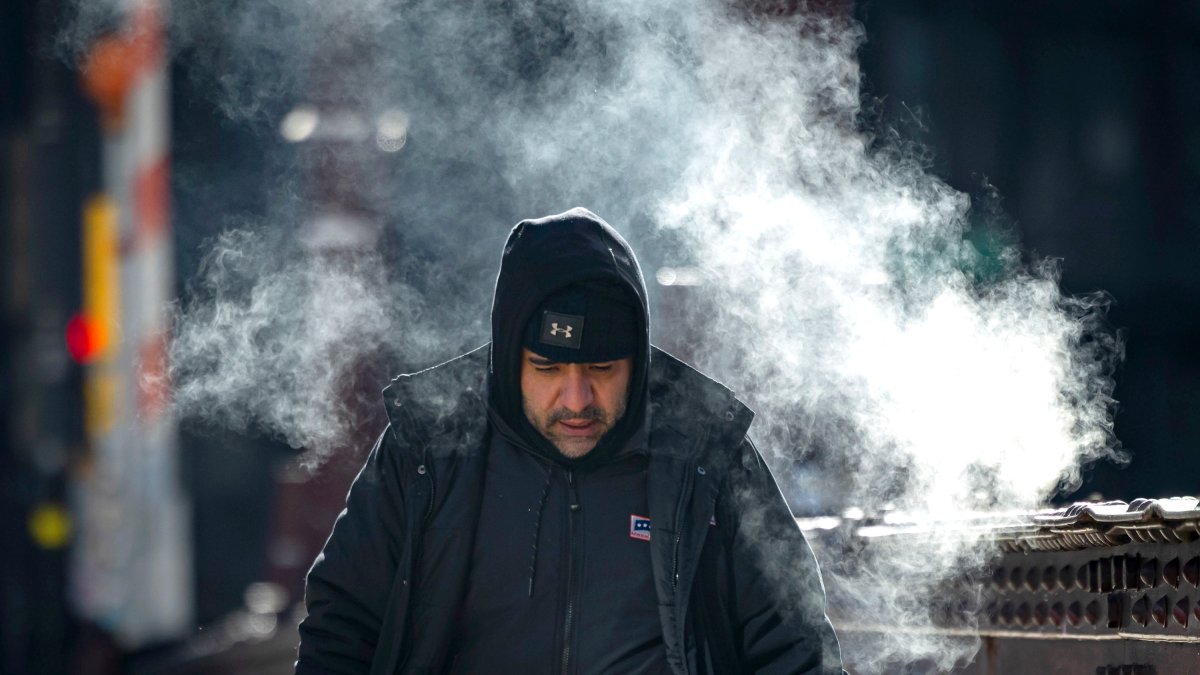
With dangerous and extreme temperatures set to bring one of the coldest days in years to the Chicago area, officials are urging caution for those who have to leave their homes.
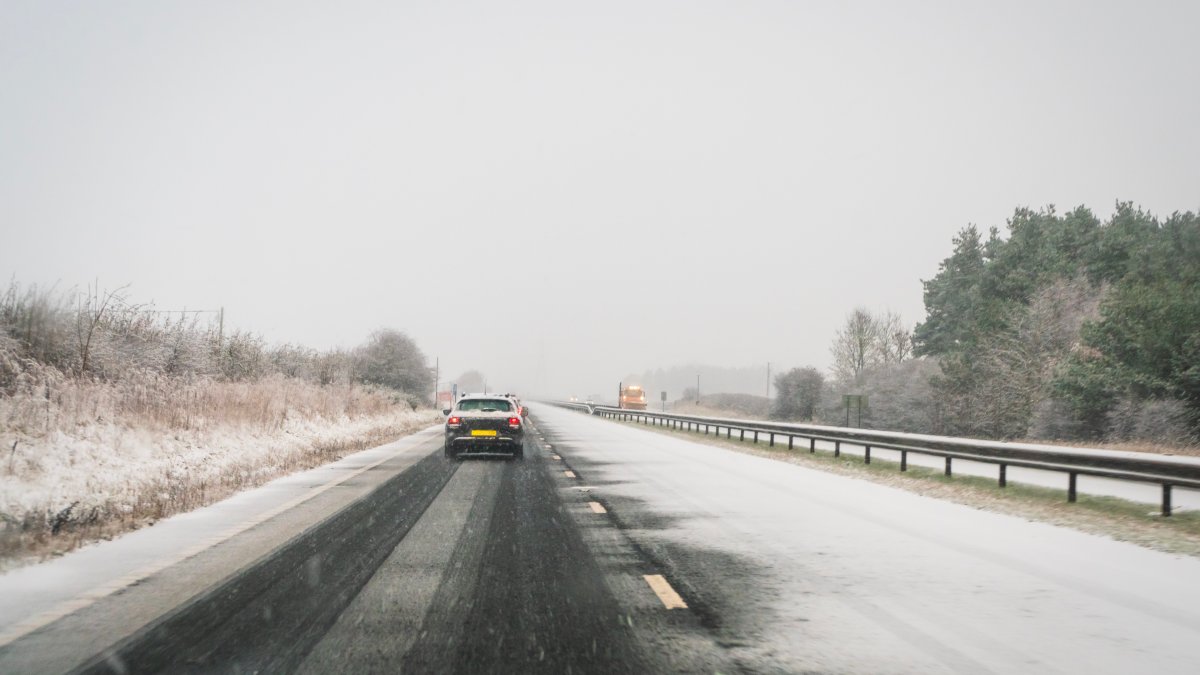
If you must travel, you should pack an emergency kit before hitting the road, according to Illinois Department of Transportation, AAA and Centers for Disease Control and Prevention.
The organizations advise drivers to keep the following essentials in their cars:
- Jumper cables
- Flares or reflectors
- Flashlight with fresh batteries
- Windshield washer fluid
- Ice scraper, snow brush and shovel
- Traction material
- Bag of abrasive material, such as sand, salt or cat litter
- Compass and maps
- Cell phone, along with a portable charger
- Items to stay warm, including blankets, gloves, hats, boots and more
- Non-perishable food
- Water
- First-aid kit
Chicago officials urged drivers to plan ahead and check road conditions before traveling.
“If you decide a trip cannot be delayed, consider using public transportation if it is available,” the city said.
They issued the following tips for those who do decide to drive:
Before You Leave
- Plan your travel and check the latest weather conditions along your travel route. Listen to weather forecasts on TV, local radio stations or NOAA Weather Radio. Call 1-800-452-IDOT or go to the IDOT website (www.gettingaroundillinois.com) to get current road conditions for Chicago and all Illinois’ interstate.
- Check your wipers, tires, lights, and fluid level. Lubricate door and trunk locks with lock lubricant to prevent them from freezing. Start with a full tank of gas.
- Travel during daylight hours on main roads and don’t travel alone.
- Carry a Winter Storm Survival Kit in your vehicle (Go Bag).
- Provide your itinerary to a friend, relative, or co-workers. Include information on where you are going, the routes you will travel, and when you expect to arrive. When you reach your destination, make a call to report that you have arrived.
On The Road
- Buckle your seat belts!
- Be prepared to turn back and seek shelter if conditions become threatening.
- Keep your windows clear of snow and ice. Do not start driving until your windshield is defrosted.
- Drive slower and increase your following distance. Your speed should be adjusted for the conditions and match the flow of traffic.
- Roadway conditions may vary depending on the sun, shade, or roadway surface. Watch for slick spots especially under bridges, on overpasses, and in shaded spots.
- If the pavement is snow or ice covered, start slowly and brake gently. Begin braking early when you come to an intersection. If you start to slide, ease off the gas pedal or brakes. Steer into the direction of the skid until you feel you have regained traction, then straighten your vehicle.
- If your vehicle becomes stuck in the snow, contact a towing company – but be prepared to wait in the cold weather for up to several hours. If you can be safely pulled out by another vehicle, make sure you use
- tow ropes with loops on the ends. Avoid chains or hooks if at all possible, since these can slip off and recoil very quickly – causing injury or death.
- When a snowplow is coming toward you, allow plenty of room for the truck to pass. When the centerline is being cleared and salted, the plow tip may be on or over the line.
- When you approach a snowplow from behind, pass with care and only when you can see the road ahead of the truck. You should not try to pass in blowing snow; there may be a vehicle in that cloud of snow. Allow more distance between you and the plow, which may be spreading salt.
- While traveling, refuel often —- keep your gas tank near full to prevent ice in the tank and fuel lines, which could leave you stranded. These frequent stops should also help relieve tense muscles.
If Stranded
- Pull as far off the road as possible, set your hazard lights to “flashing,” and hang or tie a colored cloth (preferably red) to your antenna, window, or door. After the snow stops falling, raise the hood to indicate trouble. If you have a cell phone, call for help.
- Stay in your vehicle where rescuers are most likely to find you. Do not set out on foot unless you can see a building close by where you know you can take shelter.
- Make sure the exhaust pipe is not blocked by snow, and then run the engine and heater about 10 minutes each hour to keep warm. Turn on the dome light at night when running the engine. When the engine is running, open a window slightly for ventilation. Periodically clear away snow from the exhaust pipe.
- Exercise to keep blood circulating and to maintain body heat by vigorously moving arms, legs, fingers, and toes. In extreme cold or if you don’t have a Winter Storm Survival Kit, use road maps, seat covers, and floor mats for insulation.
- Take turns sleeping. One person should be awake at all times to look out for rescue crews.
- Be careful not to use up battery power. Balance electrical energy needs — the use of lights, heat, and radio — with supply.
Espace publicitaire · 300×250