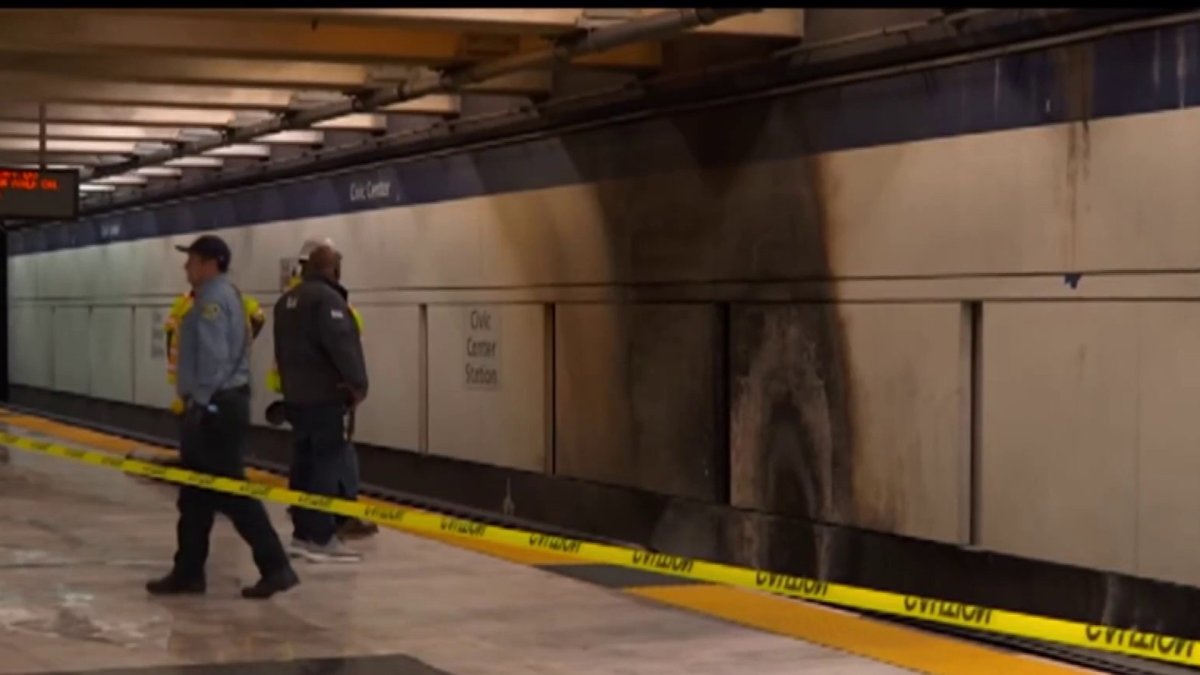
BART board members learned Thursday that a $1.5 million outside review of the recent smoky mishaps in the system found some common environmental factors, but failed to identify a single root cause for all the problems.
“There is no smoking gun,” said BART’s deputy general manager, Mike Jones, about the findings of the 15,000-hour, still ongoing analysis into the string of power surges, explosions and fires that began Aug. 29 and continued through last month.
The analysis noted a specific environmental factor played a role in seven of the incidents under review. The dust that routinely builds up on BART’s insulators – coating the ceramic surfaces of devices designed to prevent power from flowing from the third rail to the ground.
The dust, experts say, can conduct electricity. The fear, experts say, is that the dust layer can undermine the device’s role of blocking power loss. The dust, they say, is known to trigger short-circuiting and fires — both in the enclosed subway tunnels in BART’s system as well as other transit systems in the country.
In fact, BART says an exploding insulator triggered the smoky fire in the transbay tube back in late August. The review identified other explosions that damaged insulators in more recent incidents.
NBC Bay Area’s Investigative Unit first reported that BART had removed dust back in 2015, after a string of similar flashover incidents occurred in the San Francisco subway system at the time. The effort lasted six months, but the agency recently acknowledged that it stopped dust removal in 2020. Officials said the cleaning stopped because of damage that could be inflicted by the dry ice method BART had been using.
At the briefing on the analysis on Thursday, Deputy Manager Jones announced that the transit agency recently resumed cleaning – using high pressure water. The effort focuses on a stretch of the subway in San Francisco between Embarcadero and 24th Street stations. That was the same area BART cleaned back in 2015, and its few hundred insulators represent a small fraction of the total system.
“We are not planning to clean all 100,000,’’ Jones told the board, “but we have taken care of this area just to make sure we are doing everything possible.”
While the outside consultant who briefed the board said the seven incidents shared environmental factors, she stressed that dust alone isn’t considered to be a root cause of all the failures. She did say, however, that the dust could be making the system more vulnerable.
Beyond resumed cleaning, BART officials promised to pursue research into improving insulator technology.
At the end of the briefing, board member Liz Ames pressed BART’s leadership to both examine past incidents of insulator failure in its system, as well as other systems, to make sure it learns lessons about avoiding future problems.
“This is a frustrating report,” she said, because it comes to so few conclusions about the role of insulators or other potential factors. In response, BART’s general manager, Bob Powers, emphasized that since insulator dust buildup was not found to be a root cause of the failures, he will focus on moving forward.
BART officials promised updates about the analysis but did not set a timeframe.