In the UK, 98% of two-year-olds watch screens on a typical day, on average for more than two hours – and almost 40% of three- to five-year-olds use social media. Could this lead to alarming outcomes?
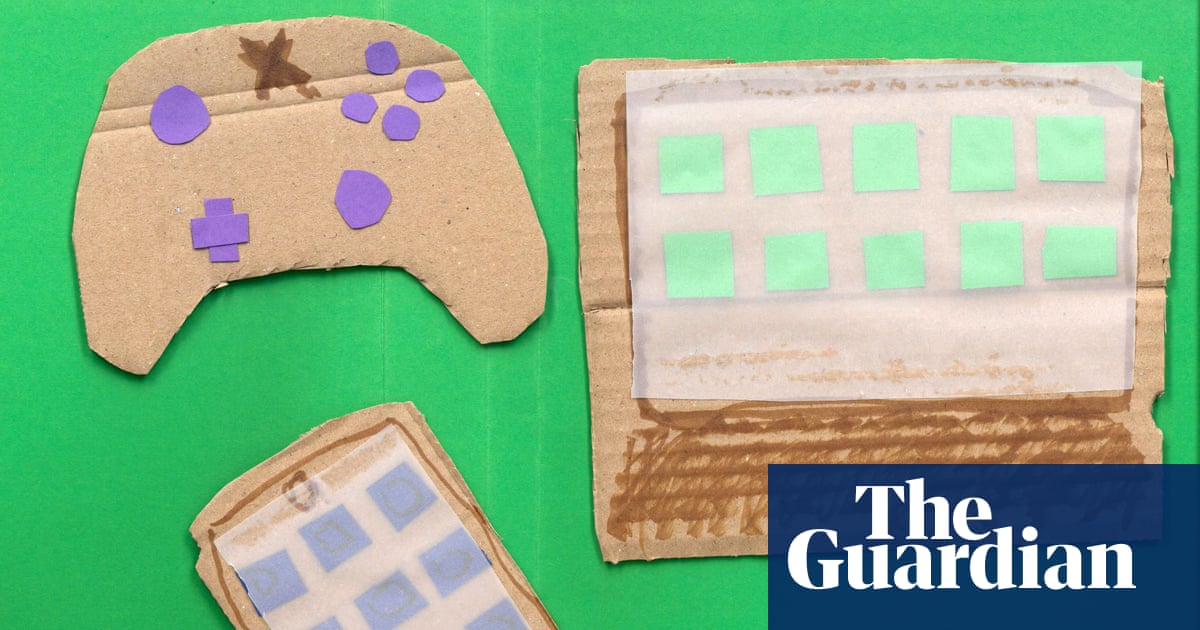
At Stoke primary school in Coventry, there are many four-year-olds among those starting in reception class who can’t sit still, hold a pencil or speak more than a four-word sentence. Lucy Fox, the assistant headteacher and head of foundations, is in no doubt what is causing this: their early exposure to screens, and a lot of it. When the children experiment with materials and creativity, and make things in the classroom, she says, “We notice a lot of children will cut pieces of cardboard out and make a mobile phone or tablet, or an Xbox controller. That’s what they know.”
At another school in Hampshire, a longtime reception teacher says in the last few years she has noticed children getting frustrated if activities aren’t instant and seamless – something she thinks comes from playing games on a phone or tablet. There is a lack of creativity and problem-solving skills, noticeable when the children are playing with Lego or doing jigsaw puzzles and turning the pieces to fit. “I find their hand-eye coordination isn’t very good, and they find puzzles difficult. Doing a puzzle on an iPad, you just need to hold and move it on the screen. They get really frustrated and I feel like there are certain connections the brain is not making any more.”
Continue reading...