As North Texas braces for the first round of winter weather this year, preparations extend far beyond highways and overpasses.
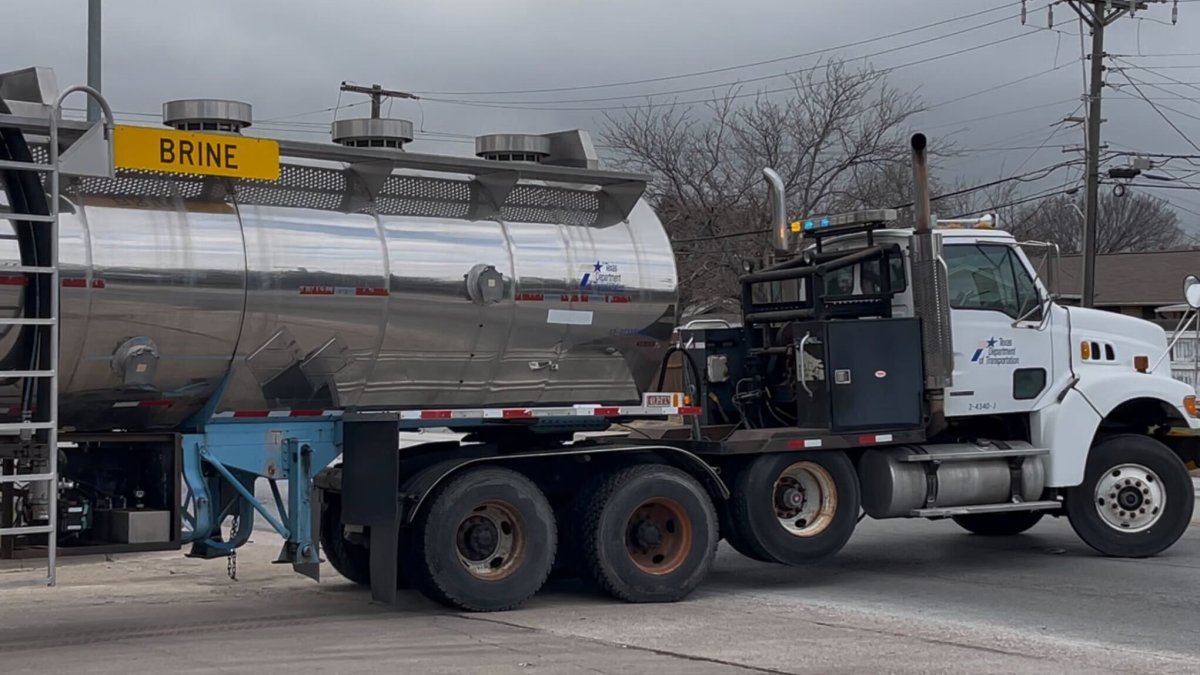
On Wednesday, trucks from the North Texas Tollway Authority began treating roadways with a liquid brine solution.
Away from the main roads, at least one local business is quietly stockpiling salt and preparing to protect critical locations before conditions turn dangerous.
“We use just a basic road salt, and that’s the most economical way to do things, and it’s readily available for us,” said Tanner Maxson, owner of Ice Melt DFW in Flower Mound.
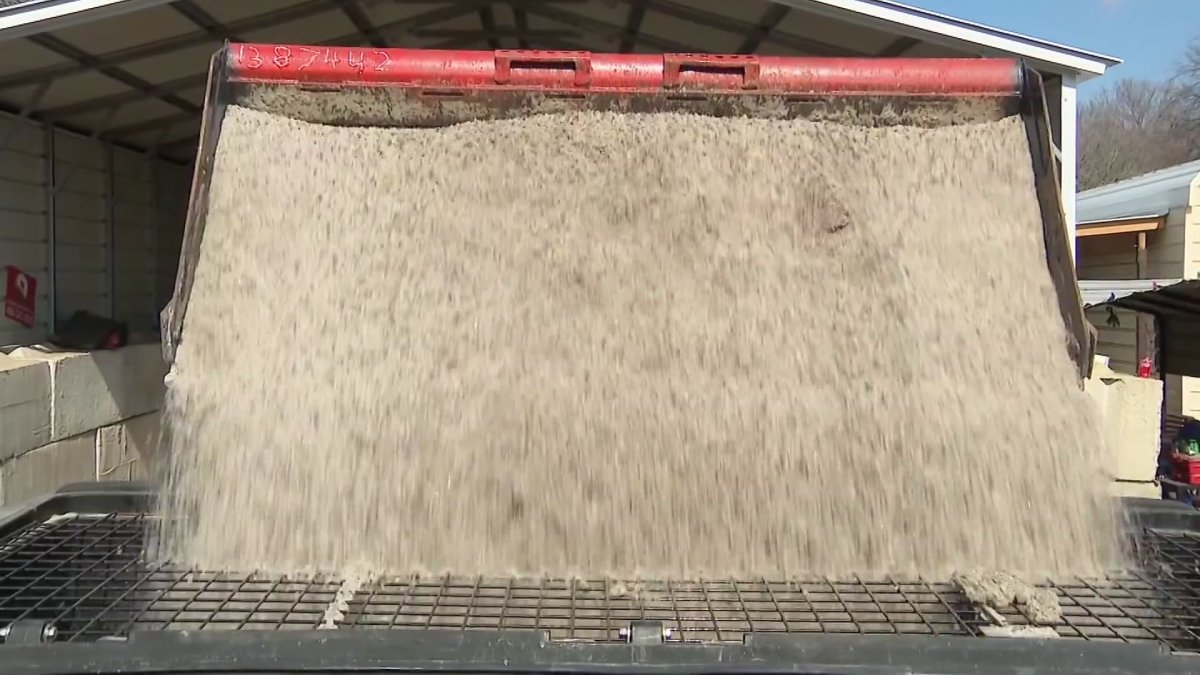
Inside Ice Melt DFW’s salt barn in Flower Mound, nearly 300 tons of road salt sit ready to be deployed. The salt will be used to treat parking lots and sidewalks at distribution warehouses, medical centers and retail spaces across the region.
“What we use is road salt, or some people call it rock salt, but it’s a granulated salt that just comes straight out of the mine, natural just like it is,” Maxson said.
While safety is the priority, Maxson said the work also helps keep daily operations moving during winter weather.
“Our biggest clients are like large Amazon distribution centers,” Maxson said.
“All those people that want to buy a sled today and get it tomorrow, Amazon’s going to keep rocking and rolling,” Maxson said.
To keep those businesses operating safely, Maxson and his crew of nearly 30 workers prepare to work around the clock, racing the ice.
“They’re the kind of people that like to keep their customers and their employees safe,” Maxson said.
Planning for winter weather begins months before freezing temperatures appear in the forecast. Maxson said preparation includes finalizing contracts, hiring drivers, outfitting vehicles and mapping routes to reach every client efficiently.
Each truck is capable of carrying a substantial load of salt, enabling crews to quickly treat large areas.
“Each one of these trucks can hold about three tons of salt,” Maxson said.
Crews typically deploy hours before a storm arrives to prevent ice from bonding to pavement.
“We have to go out about six hours before the storm so we can get all of our clients treated,” Maxson said.
As temperatures drop and ice begins to form, the work continues. Crews return to properties roughly every six hours throughout the storm.
“We’re there right as it delutes off so it can keep that ice from reforming,” Maxson said.