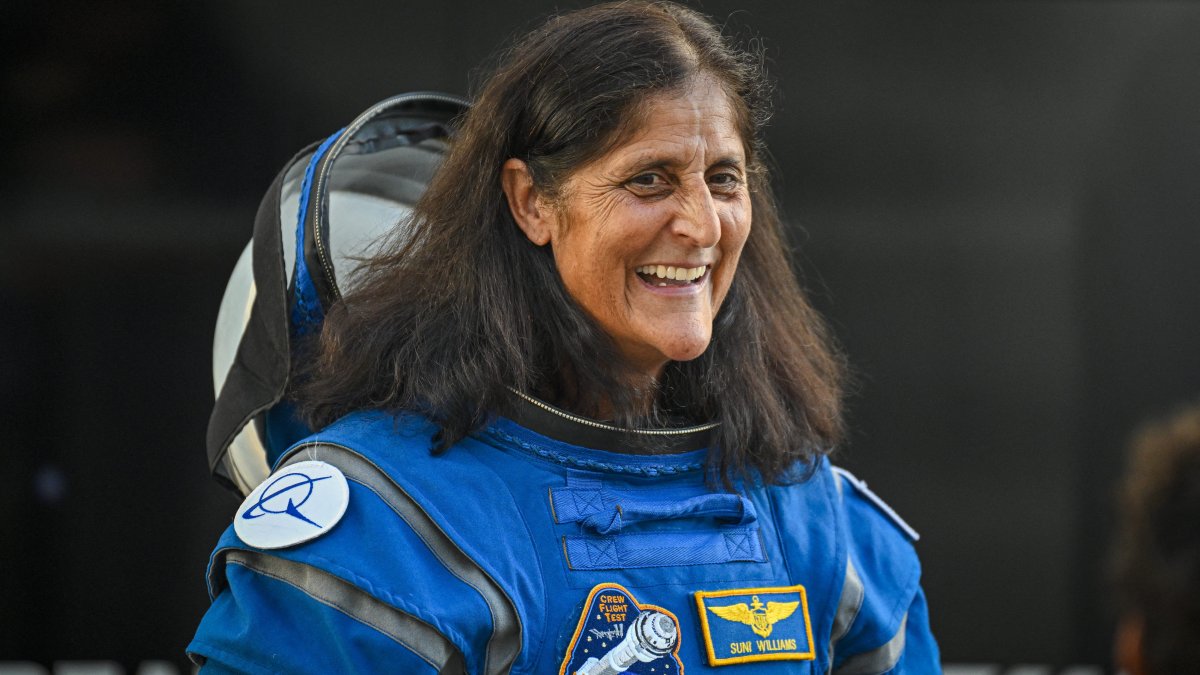
NASA astronaut Suni Williams, who famously stayed in space for an extended nine-month visit after problems with an experimental capsule, has retired after 27 years, NASA said Tuesday.
Williams retired effective Dec. 27, NASA said in a statement. Williams, a former Navy pilot, joined NASA in 1988.
“Suni Williams has been a trailblazer in human spaceflight, shaping the future of exploration through her leadership aboard the space station and paving the way for commercial missions to low Earth orbit,” NASA Administrator Jared Isaacman said in the statement.
Williams went on three missions to the International Space Station, the first of which was in 2006 and in which she was carried aboard the space shuttle Discovery, NASA said.
But it was the most recent, in 2024, in which the planned one-week stay stretched from June of that year until March 2025 due to concerns over Boeing’s Starliner spacecraft, which was on a test mission.
Starliner launched on June 5, 2024, taking Williams and Butch Wilmore to the space station on its first crewed flight. But there were problems with the capsule’s thrusters during the docking process, and eventually, in September, NASA decided to return the capsule with no one on board.
Williams and Wilmore spent 286 days aboard the International Space Station.
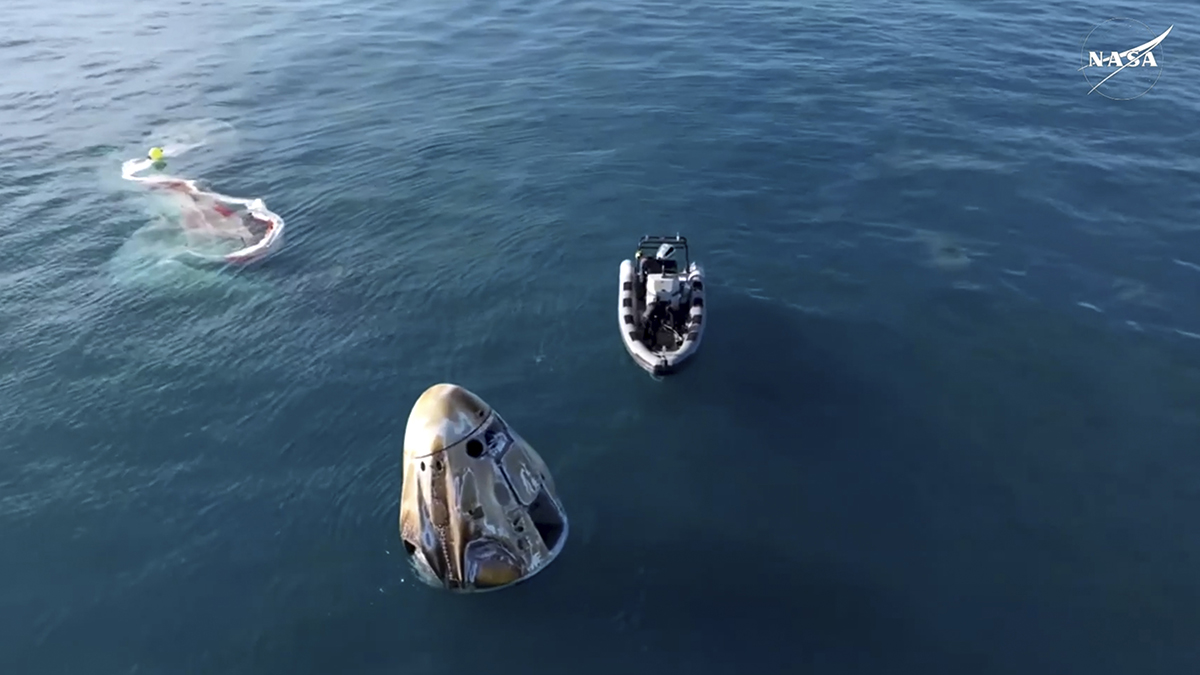
A SpaceX Dragon capsule was then sent up to bring the pair, as well as two other astronauts who were wrapping up a six-month mission, back to earth. The Dragon capsule departed the space station on March 18, 2025, and splashed down in the ocean off Florida’s coast.
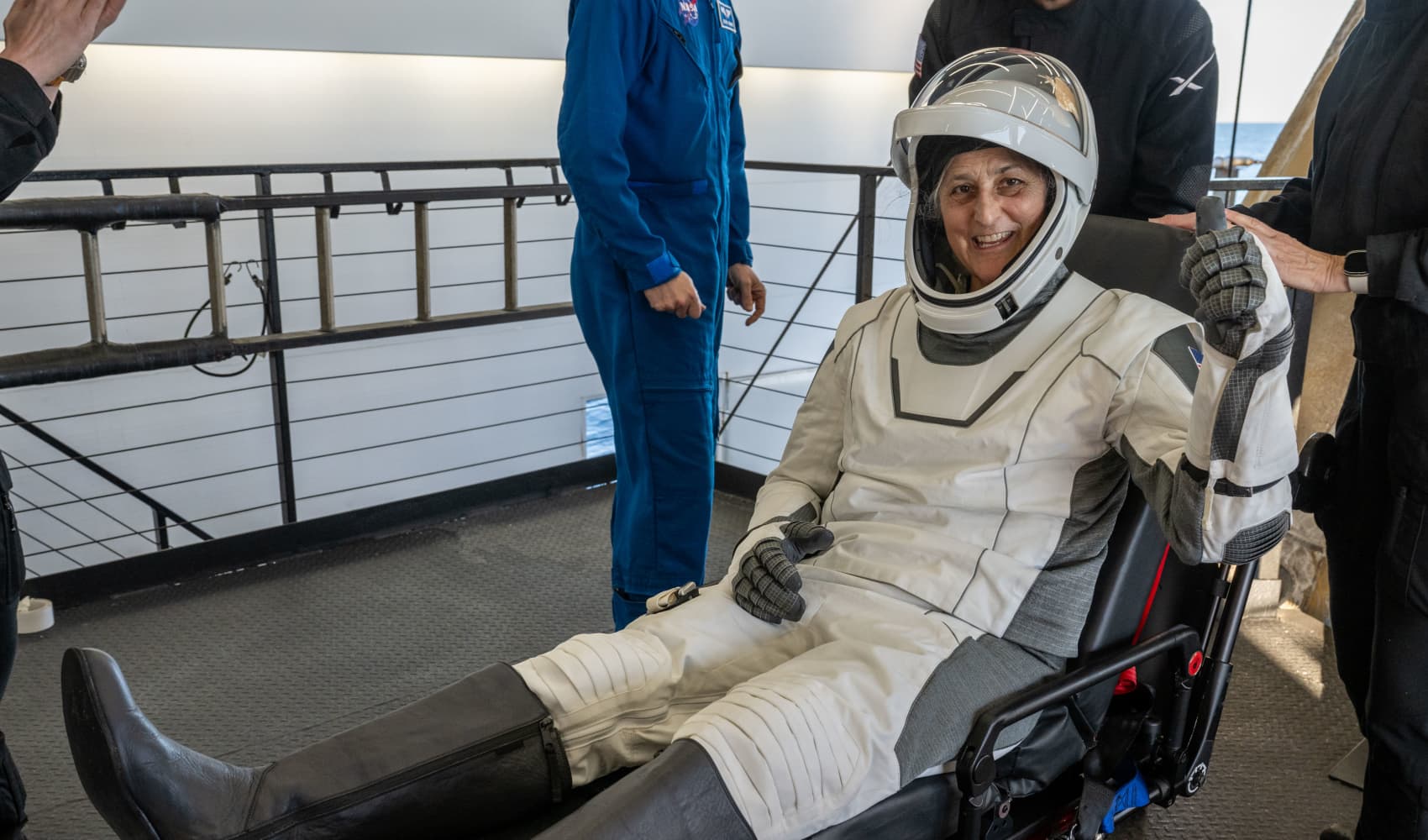
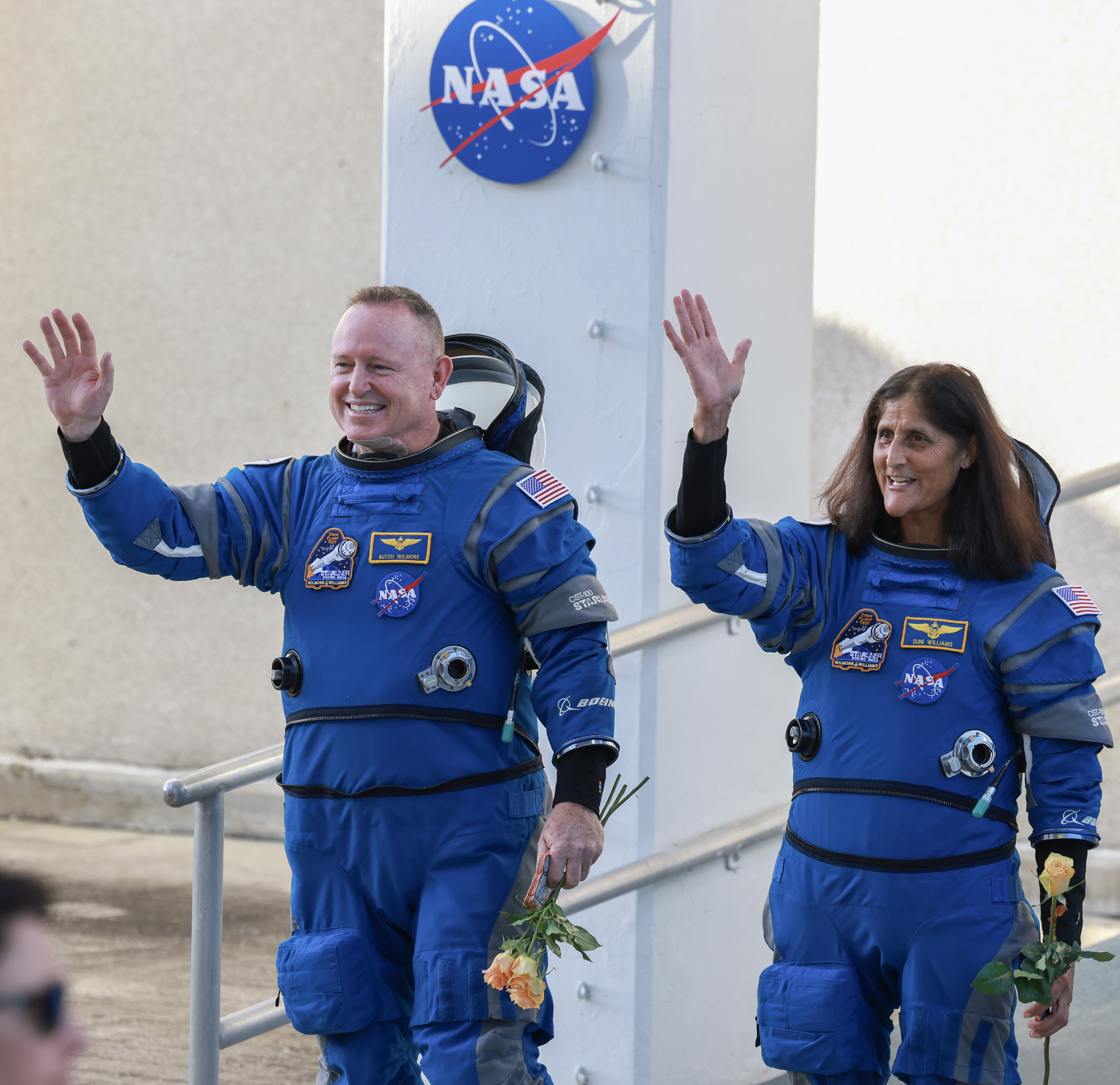
Over the course of her career, Williams logged 608 days in space in all, which is the second-longest cumulative time in space in NASA history, the space agency said.
She also logged the most spacewalk time of any other female astronaut, at 62 hours and 6 minutes, which is the fourth-most time of any NASA astronaut, it said.
Williams and Wilmore have said they enjoyed their extended time living and working at the orbiting outpost, even though it was longer than expected.
“The plan went way off for what we had planned, but because we’re in human spaceflight, we prepare for any number of contingencies,” Wilmore said in late March, after they returned to earth. “This is a curvy road. You never know where it’s going to go.”
Williams said that her recovery on Earth after the longer-than-intended space stay was helped by her previous space flights.
“Though it was longer than any flight either one of us have flown before, I think my body remembered,” she told NBC News in an interview alongside Wilmore in June.
Williams called her career and the opportunities to serve at NASA an “incredible honor.”
“Anyone who knows me knows that space is my absolute favorite place to be,” she said in NASA’s statement.