Netflix is revising its $72 billion offer for Warner Bros. Discovery to make it an all-cash transaction.
Netflix initially put forth a cash and stock deal valued at $27.75 per Warner Bros. share, giving it a total enterprise value of $82.7 billion, including debt.
Netflix and Warner Bros. said Tuesday that the revised deal simplifies the transaction structure, provides more certainty of value for Warner Bros. stockholders and speeds up the path to a Warner Bros. shareholder vote.
The companies said that the all-cash transaction is still valued at $27.75 per Warner Bros. share. Warner Bros. stockholders will also receive the additional value of shares of Discovery Global following its separation from Warner Bros.
“Together, Netflix and Warner Bros. will deliver broader choice and greater value to audiences worldwide, enhancing access to world-class television and film both at home and in theaters,” Ted Sarandos, co-CEO of Netflix, said in a statement. “The acquisition will also significantly expand U.S. production capacity and investment in original programming, driving job creation and long-term industry growth.”
Warner Bros. previously announced that it will separate Warner Bros. and Discovery Global into two separate publicly traded companies. The separation is expected to be completed in six to nine months, prior to the closing of the proposed Netflix and Warner Bros. deal. The transaction with Netflix is expected to close 12 to 18 months from the date that Netflix and Warner Bros. originally entered into their merger agreement.
Both companies’ boards approved the amended all-cash deal.
Netflix’s stock rose 1.3% before the market open, while shares of Warner Bros. Discovery fell slightly.
Netflix has been in a tussle with Paramount Skydance for Warner Bros., with Paramount taking another step in its hostile takeover bid of Warner Bros. last week, saying that it would name its own slate of directors before the next shareholder meeting of the Hollywood studio.
Paramount also filed a suit in Delaware Chancery Court seeking to compel Warner Bros. to disclose to shareholders how it values its bid and the competing offer from Netflix.
Warner’s leadership has repeatedly rebuffed Skydance-owned Paramount’s overtures — and urged shareholders just weeks ago to back its the sale of its streaming and studio business to Netflix. Paramount, meanwhile, has made efforts to sweeten its $77.9 billion hostile offer for the entire company.
Warner Bros. Discovery said earlier this month that its board determined Paramount’s offer is not in the best interests of the company or its shareholders. It again recommended shareholders support the Netflix deal.
Last month, Paramount announced an “irrevocable personal guarantee” from Oracle founder Larry Ellison — who is the father of Paramount CEO David Ellison — to back $40.4 billion in equity financing for the company’s offer. Paramount also increased its promised payout to shareholders to $5.8 billion if the deal is blocked by regulators, matching Netflix’s breakup fee.
In a letter to shareholders, Warner expressed concerns about a potential deal with Paramount. Warner said it essentially considers the offer a leveraged buyout, which includes a lot of debt, and also pointed to operating restrictions that it said were imposed by Paramount’s offer and could “hamper WBD’s ability to perform” throughout a transaction.
The battle for Warner and the value of each offer grows complicated because Netflix and Paramount want different things. Netflix’s proposed acquisition includes only Warner’s studio and streaming business, including its legacy TV and movie production arms and platforms like HBO Max. But Paramount wants the entire company — which, beyond studio and streaming, includes networks like CNN and Discovery.
If Netflix is successful, Warner’s news and cable operations would be spun off into their own company, under a previously-announced separation.
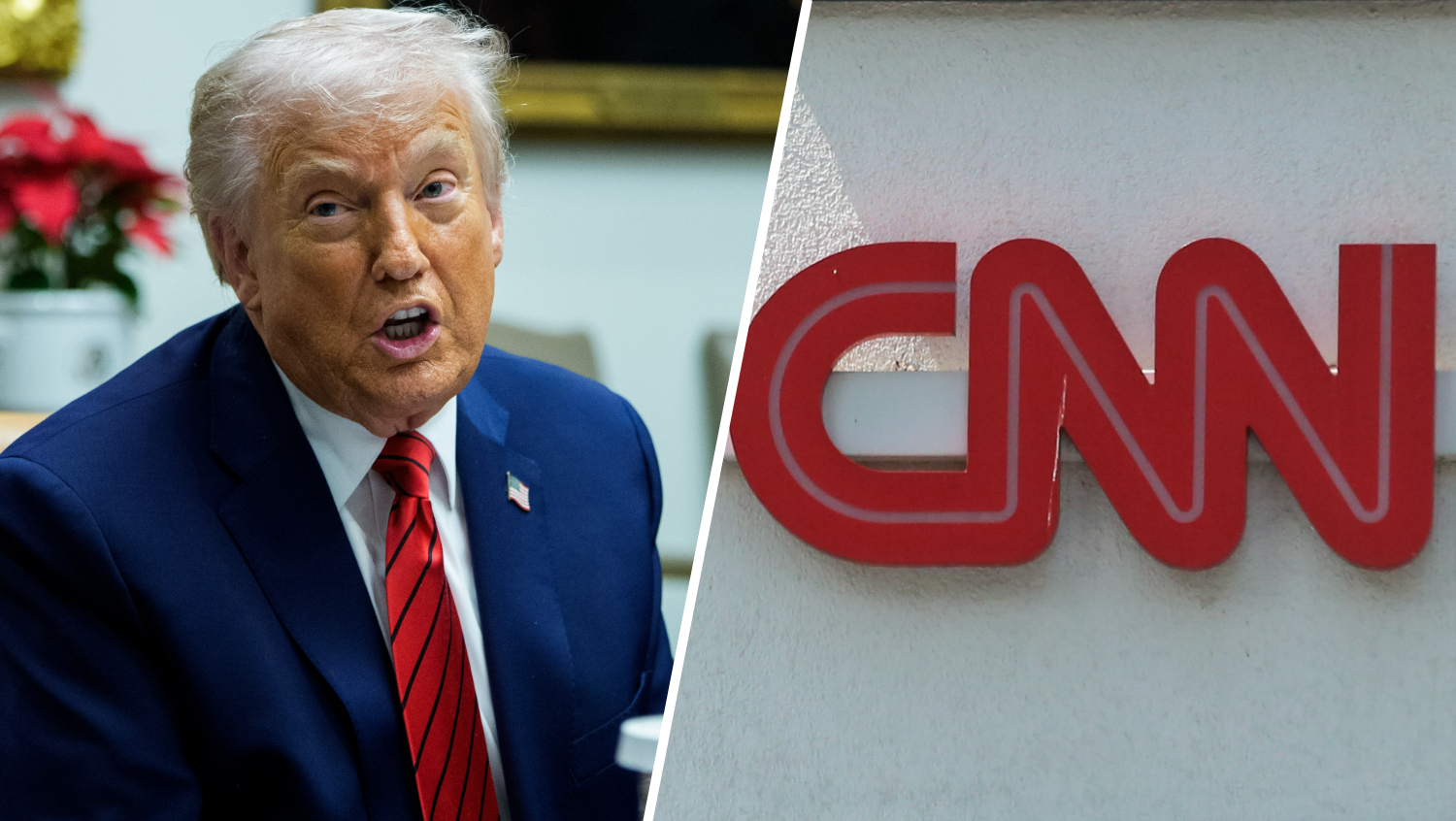
A merger with either company could take over a year to close — and will attract tremendous antitrust scrutiny along the way. Due to its size and potential impact, it will almost certainly trigger a review by the U.S. Justice Department, which could sue to block the transaction or request changes. Other countries and regulators overseas may also challenge the merger. And politics are expected to come into play under President Donald Trump, who has made unprecedented suggestions about his personal involvement on whether a deal will go through.