The heart of January is where women’s college basketball reveals its truth. By this stage of the season, teams can no longer rely on reputation, early momentum, or theoretical upside. Conference play strips away insulation quickly, familiar opponents expose habits, travel tests focus, and physical games challenge both depth and resolve.
January basketball is rarely about flash. It is about execution, resilience, and the ability to perform when preparation matters more than surprise. This week offered a particularly sharp snapshot of the national hierarchy, not because it produced chaos, but because it clarified it.
This week’s power rankings are rooted in performance, not perception. It prioritizes how teams played during the most recent week, the quality of opponents faced, and how convincingly teams handled adversity. Close games are not penalized when they reveal composure, and losses are not automatically damaging if the performance suggests sustainability. What matters most is trajectory and reliability in a demanding stretch of the calendar.
These 25 teams stand above the rest of the field, with each one’s placement reflecting not only results, but identity, adaptability, and the ability to translate preparation into execution. This is January basketball in its most honest form.
1. UConn (=)
UConn women’s basketball stands at the top of the national picture because the team has removed uncertainty from its performances. This past week once again demonstrated that the Huskies are not simply winning games, but controlling them from start to finish.
Their defensive execution remains the defining trait. Passing lanes are closed early, and opponents are routinely pushed deep into shot clocks without generating clean looks. Offensively, UConn is patient and precise. The team does not force shots or chase mismatches unnecessarily. Instead, the Huskies allow the game to come to them, trusting spacing, ball movement, and discipline to produce high-percentage opportunities.
What truly separates UConn from the field is depth. Rotations don’t just rely on Azzi Fudd or Sarah Strong; they can expand without sacrificing intensity or structure, allowing them to maintain pressure for forty minutes. Even in January, when fatigue begins to affect most teams, UConn looks composed and fresh.
The Huskies’ consistency is not accidental— it is the product of preparation, culture, and execution. At this stage of the season, almost no team has demonstrated a higher floor or a clearer championship-level standard.
2. South Carolina (+2)
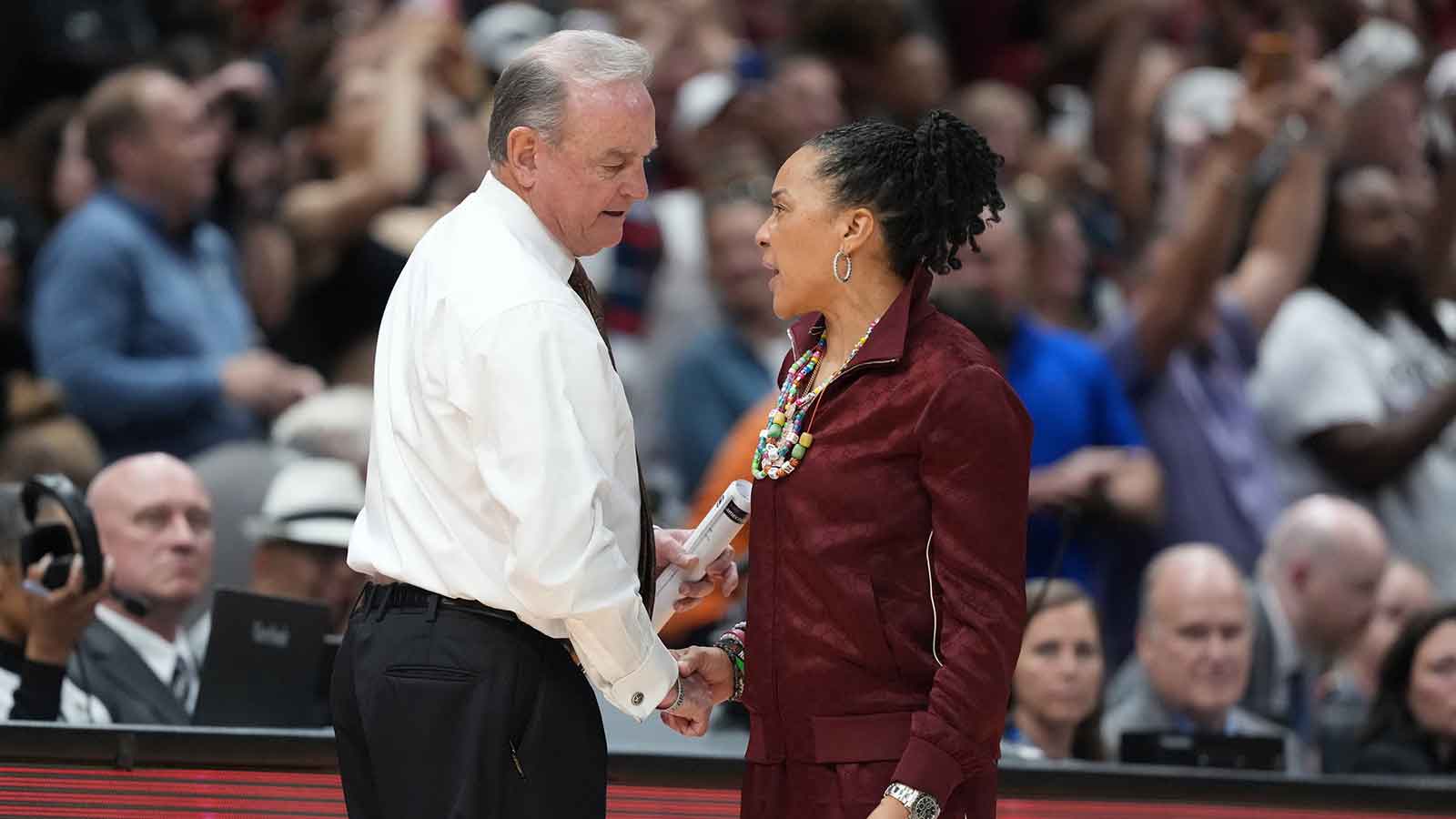
South Carolina’s placement reflects toughness, adaptability, and an ability to win games that resist comfort. Their narrow revenge victory over Texas was one of the most physically demanding contests of the week, and it revealed exactly why the Gamecocks remain among the elite.
When offensive rhythm falters, South Carolina women’s basketball leans into its defensive identity. Interior defense altered shots, rebounding limited second chances, and physicality wore down a talented opponent over time.
Offensively, the Gamecocks show patience, refusing to rush possessions even when pressure mounted. That composure is critical in January, when games often hinge on execution rather than momentum. South Carolina’s versatility also stands out. The team is capable of winning fast or slow, in transition or in the half-court. The Gamecocks’ ability to adjust mid-game without losing structure keeps them consistently competitive against elite opposition.
While they may not dominate statistically every night, they consistently control the most important aspects of games. That reliability, particularly against top-tier opponents, secures their position just behind UConn.
3. UCLA (=)
UCLA’s solid place in the upper tier is driven by offensive balance and growing defensive cohesion. The Bruins’ performance this past week, particularly in the 30-point blowout against Maryland, showcased a team that understands how to pressure defenses without forcing the issue.
Ball movement was crisp, spacing was deliberate, and scoring threats emerged from multiple positions, not just Lauren Betts. This versatility makes the UCLA women’s basketball team difficult to game-plan against, as opponents cannot key on a single action or scorer.
Defensively, the Bruins are still evolving, but improvement was evident. Communication on rotations improved, transition defense showed greater urgency, and effort remained consistent across lineups. But what makes UCLA especially dangerous is confidence.
The Bruins are playing with belief, trusting their system and each other to generate quality possessions. That confidence is translating into execution, particularly in stretches where games are decided. UCLA may not yet have the reputation of the top two teams, but its offensive ceiling and upward defensive trajectory place it firmly among the most dangerous teams in the country.
4. Vanderbilt (+2)
Vanderbilt’s continued success is rooted in discipline and cohesion rather than spectacle. Its undefeated record remains impressive, but it is the manner of the team’s victories that sustains its ranking.
This past week again demonstrated the Commodores’ ability to control games through execution. They are deliberate on offense, valuing possessions and avoiding unnecessary risks. Defensively, they have taken a noticeable step forward. Rotations are connected, defensive help arrives early, and rebounding is a collective effort rather than an individual one.
Vanderbilt does not overwhelm opponents with athleticism, but it consistently out-thinks and out-executes them. Late-game situations have been handled with composure, a critical trait as conference play intensifies. The Commodores’ ability to close games without panic suggests maturity and trust within the roster. While questions about their ceiling may remain, their floor is exceptionally high. In January, reliability matters more than flash, and Vanderbilt has proven to be exceptionally reliable.
5. Texas (-3)
Texas women’s basketball remains one of the most physically imposing teams in the nation, but its week reinforced both its elite strengths and its weaknesses. The Longhorns’ dominant 80-35 bounce-back performance against Texas A&M highlighted the ceiling of their defense. They disrupted passing lanes, controlled the glass, and turned defensive stops into efficient offense. Their physicality wears on opponents, particularly in the paint, where space is limited and shots are contested aggressively.
The losses to LSU and South Carolina are a smudge on its resume but do not diminish Texas’ standing too much. Instead, it emphasizes how small the margins are at the very top. Texas’s identity is clear and consistent. When execution aligns, they are capable of overwhelming even the best teams in the country. The challenge moving forward is maintaining offensive efficiency in tight games, but the Longhorns’ defensive foundation ensures they remain a threat almost every night.
6. LSU (+11)
LSU’s outing against Oklahoma reaffirmed its ability to impose athleticism and pressure. The Tigers played with intensity, disrupting offensive rhythm and limiting clean perimeter looks. Their defensive pressure forced opponents into uncomfortable possessions, while their rebounding created additional opportunities.
Offensively, LSU women’s basketball thrives when the pace increases, and this week, it controlled the tempo effectively. While occasional lapses still appear, particularly in transition defense, the Tigers’ overall execution remains strong. LSU’s identity is built on physicality and aggression, and when focused, it can overwhelm even disciplined opponents.
This week’s wins over the Longhorns and Sooners showed that the Tigers are capable of sustaining that focus against high-level competition. Their ceiling remains among the highest in the country, and their recent performance keeps them securely in the upper tier.
7. Louisville (+3)
Louisville’s comeback overtime victory over NC State was a defining moment of the week, showcasing composure and execution under pressure. The Cardinals handled late-game situations with precision, executing sets cleanly and defending without fouling. Their experience was evident in how they navigated momentum swings, never appearing rattled or rushed.
Louisville’s identity is built on reliability rather than dominance. The Cardinals may not overwhelm opponents statistically, but they consistently make sound decisions. Defensively, they remain disciplined, forcing opponents into tough shots late in possessions. Offensively, they value spacing and timing, trusting execution over improvisation.
This steadiness makes Louisville particularly dangerous in close games, a trait that becomes increasingly valuable as conference play tightens. The team’s performance this week reaffirmed its place among the top ten.
8. TCU (+7)
TCU’s identity remains defense-first, and this week reinforced that reputation. Even in a narrow 71-69 loss to Ohio State, the Horned Frogs contested shots, controlled the glass, and dictated pace for long stretches. Their ability to slow games down frustrates opponents and limits scoring opportunities.
Offensively, the Horned Frogs are structured rather than explosive, but they execute with discipline. TCU is working on valuing possessions and avoiding unnecessary risks, relying on defense to keep games within reach. This formula may not produce highlight reels, but it consistently produces competitive results.
TCU’s commitment to identity sets it apart from teams still searching for consistency. The Horned Frogs’ performance this week confirmed their status as one of the most reliable defensive teams in the country.
9. Michigan (-1)
Michigan continues to thrive through balance and execution. This past week reflected a team comfortable with controlling the tempo and maximizing possessions. Olivia Olson managed the offense effectively, limiting turnovers and ensuring quality shot selection. Frontcourt players finished efficiently around the basket, punishing defensive mistakes.
Defensively, Michigan may not overwhelm opponents with pressure, but the squad is organized and disciplined. The Wolverines limit easy baskets and force opponents to work for every score, and this reliability allows them to remain competitive against more athletic teams.
Their ability to stay composed in tight games, particularly on the road, is a significant asset, but it unfortunately wasn’t enough to overcome Vanderbilt at home on Monday. While their margin for error may be smaller than some teams above them, their consistency earns them a place just inside the top ten.
10. Iowa (+1)
Iowa continues to adapt its identity as the season progresses. This past week showed improved defensive effort and disciplined offensive execution. While the Hawkeyes no longer overwhelm opponents with pace alone, their cohesion and experience remain assets.
Iowa’s ability to make in-game adjustments is particularly valuable, allowing it to remain competitive against a variety of styles. Offensively, they are patient, valuing shot selection and spacing. Defensively, effort has improved, even if physical limitations remain.
This balance keeps Iowa firmly in the national picture. The Hawkeyes’ recent performances suggest that this is a team that understands its strengths and limitations and is playing within them effectively.
11. Kentucky (-4)
Kentucky’s week illustrated both promise and volatility. Strong home wins against Oklahoma and Florida demonstrated toughness and depth, as multiple players contributed offensively. However, road losses to Alabama and Mississippi State exposed defensive inconsistencies and lapses in focus.
The Wildcats are at their best when they push tempo and capitalize on athleticism, particularly in transition. When disciplined, they can overwhelm opponents quickly. When focus slips, defensive breakdowns allow opponents to regain control.
Kentucky’s ceiling remains high, but consistency has yet to stabilize. This week showed that they are capable of competing with top teams but also vulnerable to self-inflicted mistakes. That combination keeps them just outside the top tier.
12. Ohio State (+8)
Ohio State’s close win over top-10 TCU highlighted growth and resilience. Contributions beyond the primary scorers proved decisive, underscoring improved depth and balance. Defensive execution late in the game secured the result, reflecting increased trust in rotations and communication.
Ohio State’s development this week suggests a team trending upward as conference play intensifies. While they may not yet have the consistency of the teams above them, the Buckeyes’ trajectory is positive. Continued growth from supporting players will be key, but this week demonstrated tangible progress.
13. Maryland (-1)
Maryland’s win over USC marked a stabilizing moment in its season. The Terrapins’ frontcourt played with confidence, controlling the paint and finishing efficiently. Defensive energy improved, particularly in help-side rotations and rebounding.
But Maryland remains vulnerable against elite spacing teams, losing three of its last six contests, but its recent form demonstrated elements of control and focus. Offensively, the Terrapins generated quality looks through movement rather than isolation. But the defense needs to improve noticeably, especially after the 97-67 blowout loss to UCLA.
This week’s performance proved Maryland’s status as a solid national presence capable of competing with ranked opponents when its execution aligns.
14. Michigan State (-1)
Michigan State continued to define itself through consistency and discipline, but Sunday’s loss to Iowa disrupted that a bit. They’re able to limit turnovers, defend with purpose, and execute offensively without forcing the issue, but the Hawkeyes snapped the Spartans’ nine-game win streak regardless.
While they may lack explosive scoring, their reliability keeps them competitive in nearly every game. Defensively, they remain organized and physical. Offensively, they value patience and spacing. That combination may not produce dominant wins, but it consistently produces respectable results. Michigan State’s steadiness earns it a stable mid-teens position.
15. Baylor (-6)
Baylor’s recent performances suggest a team finding rhythm at the right time. Ball movement improved noticeably, creating better shot quality. Defensive rotations sharpened, and late-game execution showed progress.
The Bear’s experience remains a significant asset, particularly in close games. While they are still refining identity, momentum is building. This week reinforced that Baylor remains capable of competing at a high level as conference play deepens.
16. Ole Miss (+3)
Ole Miss remains competitive through defensive intensity and effort. The Rebels may not dominate games offensively, but they consistently make opponents uncomfortable. This week lacked a signature win, but their overall performance reflected discipline and focus.
Ole Miss thrives in physical games, using its defensive skills to control the tempo. Offensively, it relies on execution rather than explosive runs. While their ceiling may be limited against elite teams, the Rebels’ tenacity keeps them relevant in the power rankings.
17. Oklahoma (-12)
Oklahoma’s ranking reflects context and consistency rather than a single week’s result. Their loss to LSU was competitive and instructive rather than alarming. The Sooners maintained offensive structure under pressure, moved the ball effectively, and generated quality looks despite facing one of the most aggressive defenses in the country.
Defensively, they remained disciplined, limiting breakdowns even when physically challenged. However, Oklahoma’s strength usually lies in reliability. Week after week, the Sooners execute their system regardless of their opponent. Their spacing, shooting, and decision-making translate well across environments.
Three defeats in the last three games were definitely a misstep, but Oklahoma still belongs among the nation’s most dependable teams. While they may lack the raw physicality of the very top programs, the Sooners’ cohesion and execution make them a contender to win against anyone.
18. Texas Tech (-2)
Texas Tech continues to succeed through discipline rather than star power. Their execution and effort remain consistent, even as limitations surface against elite teams. This week again demonstrated their ability to stay organized and competitive.
The Lady Raiders are committed and physical, valuing possessions and scoring consistently. That steadiness keeps them nationally relevant, even after suffering their first loss of the season at the hands of unranked Kansas State.
19. Tennessee (+2)
Tennessee’s week reflected steadiness rather than a surge. The Lady Vols remain capable and competitive but have yet to establish a clear identity against top-tier opponents. Effort and athleticism are evident, but execution fluctuates.
This week did little to dramatically alter the perception of the Tennessee women’s basketball team, reinforcing its status as a solid but still-developing team. Continued consistency, particularly against Kentucky on Thursday, will determine whether the Lady Vols rise or remain static.
20. Princeton (+3)
Princeton continues to dominate its competition through precision and discipline. The Tigers’ execution is among the cleanest in the country, especially offensively. While the strength of schedule limits evaluation, their consistency can’t be ignored.
Princeton controls the tempo, values possessions, and executes with purpose. That reliability earns recognition, even as questions remain about how it translates against elite competition outside of the Ivy League.
21. Alabama
Alabama’s athleticism allows it to remain competitive against a wide range of opponents, but this week showed the team’s inconsistency as it dropped two in-conference games in a row to Auburn and Tennessee.
When focused, the Crimson Tide can disrupt opponents defensively and score in transition. When execution slips, mistakes compound quickly. Their season’s performances justify inclusion, but upward movement will require greater discipline and consistency.
22. Duke (+3)
Duke’s rise in the rankings reflects how much the team has tangibly improved. Defensive effort sharpened this week, offensive decision-making improved, and overall competitiveness increased.
The Blue Devils are playing with greater cohesion and confidence, which their 10-game win streak proves. While still refining their identity, momentum is clearly positive. This week suggested that they are a team capable of challenging other ranked opponents when the race towards March Madness heats up.
23. Nebraska (-5)
Nebraska’s recent losses to UCLA and Michigan State revealed vulnerabilities, but the Cornhuskers’ competitiveness throughout conference play keeps them relevant. They remain capable of challenging teams above them, particularly when defensive effort is sustained.
Consistency remains a challenge, but effort and structure keep Nebraska in games. Its inclusion reflects its ability to hang with formidable Big Ten opponents rather than dominance.
24. Mississippi State
Mississippi State lands in the rankings following a signature win over Kentucky. That result highlighted the Bulldogs’ potential when execution aligns. While inconsistency persists, their ability to rise to the occasion against ranked opponents warrants recognition.
Defensive effort and physicality remain strengths. Continued performance will determine whether this team has reached its turning point or not.
25. Iowa State (-11)
Iowa State’s competitiveness remains evident, even in defeat. The team’s structure and discipline keep games close, but late-game execution continues to limit upward movement.
The Cyclones’ strengths and limitations were fully on display in their past five matchups. They are organized and resilient, and they can generate quality looks, but they struggle to close tight games consistently. Still, their overall body of work warrants inclusion among the top 25.
This week did not upend women’s college basketball, but it did make where each team stands seem clearer. UConn and South Carolina remain the benchmarks, separated by consistency and composure. Teams like UCLA, Vanderbilt, and Texas have established themselves as legitimate contenders.
Others, including Baylor and Duke, used the week to validate or reclaim their place. January has a way of revealing truth, and this ranking reflects that truth as it currently stands.
The post ClutchPoints women’s college basketball power rankings: The field becomes clear appeared first on ClutchPoints.