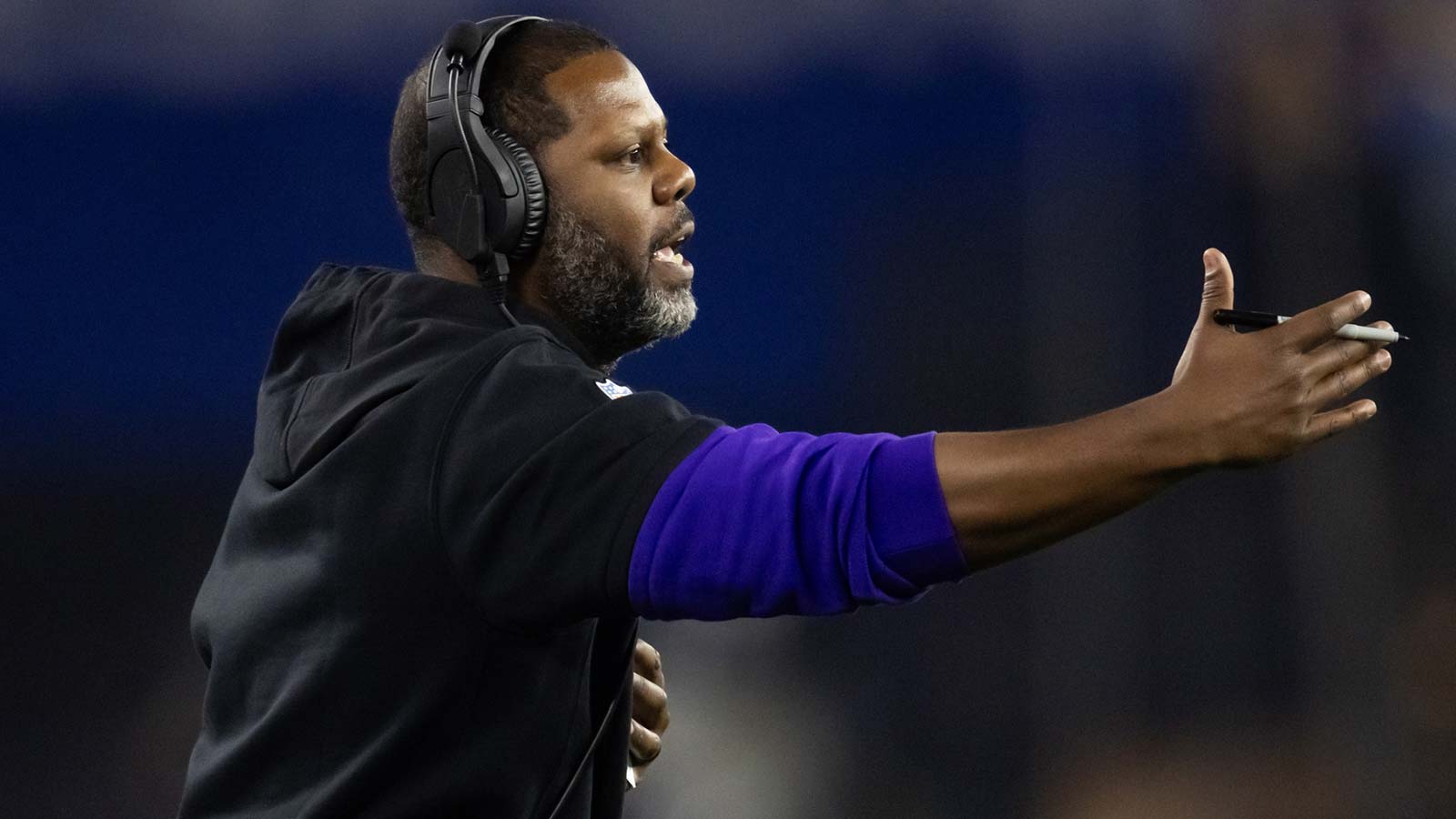
Zion Williamson’s injury-plagued New Orleans Pelicans are staggering through the season, firmly entrenched at the bottom of the Western Conference. James Borrego, elevated from assistant on November 15 after Willie Green’s firing amid a 2-10 start, has gone 8-25, hardly a righting of the ship record-wise. Tasked with staying NBA Play-In competitive, the interim head coach also faces immense pressure to prioritize the development of Jeremiah Fears and Derik Queen.
This mandate has locked Borrego into starting the rookies and granting them 25-30 minutes per game in many outings, despite data screaming that they are among the league’s worst starters. On/off stats, defensive ratings, shooting efficiencies, and turnover rates all underscore a brutal truth that Queen and Fears are not ready to win at a high level.
Jeremiah Fears, Derik Queen fall off
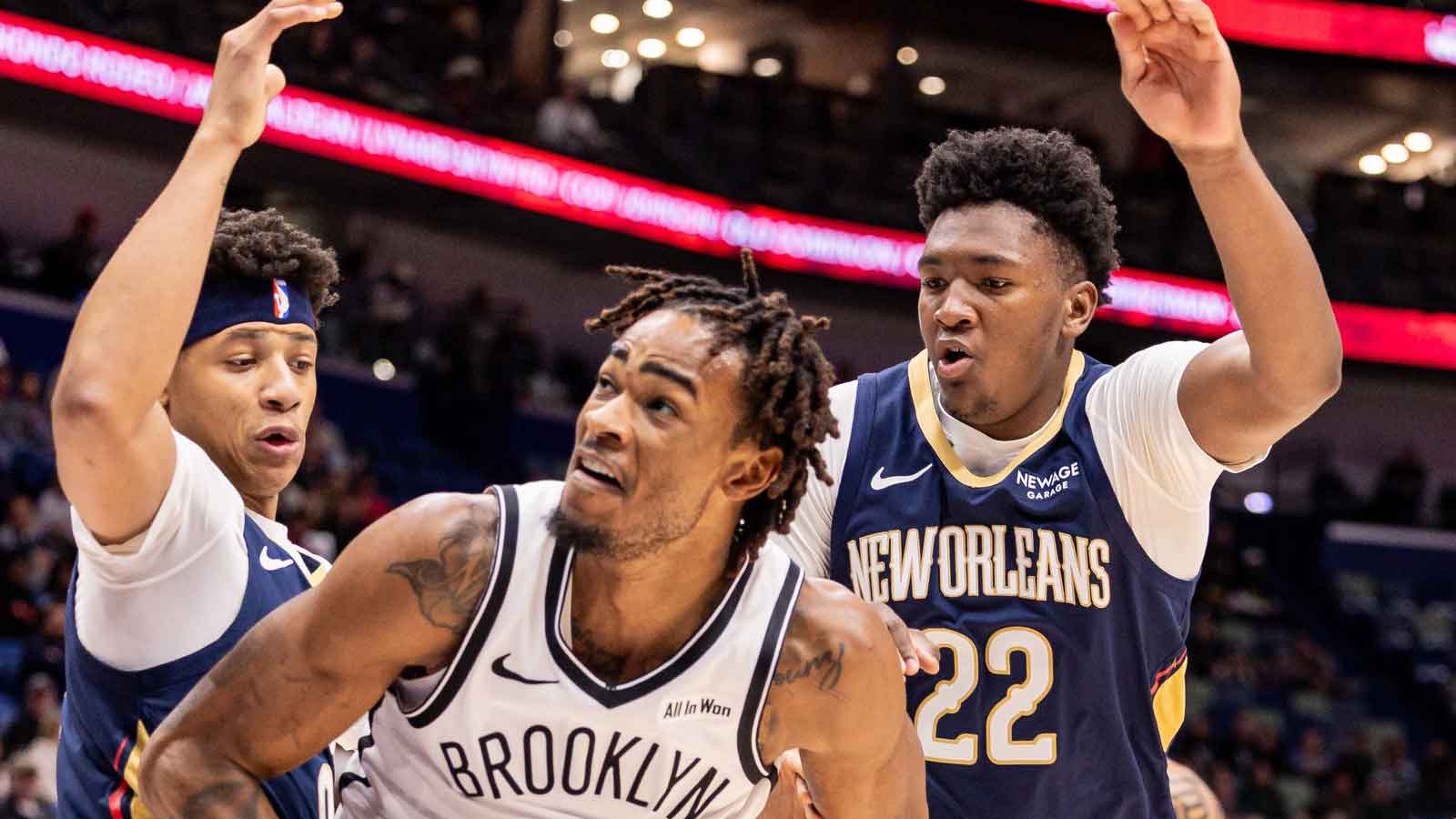
Borrego’s hands are tied, but it is paying some dividends. Fears has nine 20+ point games before Martin Luther King Jr. Day; Queen leads all rookies in rebounds (329) and assists (190) with two triple-doubles. Unfortunately, New Orleans ranks dead last in defensive rating (DRtg) at 120.6 points allowed per 100 possessions, but the on/off splits for Fears and Queen expose them as primary culprits.
Both have started the majority of their games (Fears in 43 of 45, Queen in 32 of 44), and their combined presence torpedoes the team’s efficiency. Defensively, the rookies’ inexperience is glaring. The team’s DRtg balloons to 123.7 with both on (worse than the 30th-ranked Jazz at 122.3), versus 111.4 off, which would rank third league-wide. In recent games (last 11 post-Christmas), it’s 122.4 with Fears on (114.0 off) and 123.5 with Queen on.
Offensively, their shooting and ball security exacerbate the bind. Fears shoots 43.4% from the field (121st among qualifiers) and 32% from three, with 2.4 turnovers per game, ranking him among the league’s sloppiest starters. Their combined 4.8 turnovers per game fuel opponent transitions, where New Orleans ranks poorly (bottom 10 in opponent turnover rate conversion).
Queen’s honeymoon period appears to be over. After early-season buzz suggested the Maryland product might validate the controversial trade that cost New Orleans an unprotected 2026 first-round pick, recent performance has swung dramatically in the opposite direction. He fares better at 49.2% overall from the field but dips to 19% on threes (among the NBA’s worst for bigs) and leads rookies with 107 turnovers (19th league-wide) and 126 personal fouls (9th overall).
The Pelicans have been outscored by 15.8 points per 100 possessions with Queen on the floor, the worst mark on the entire team. This represents a stunning reversal from earlier in the season when Queen posted the best on/off rating among all rookies at plus-18 points per 100 possessions. Something has to give if the front office wants to battle out of the Western Conference basement.
Pelicans cannot budge
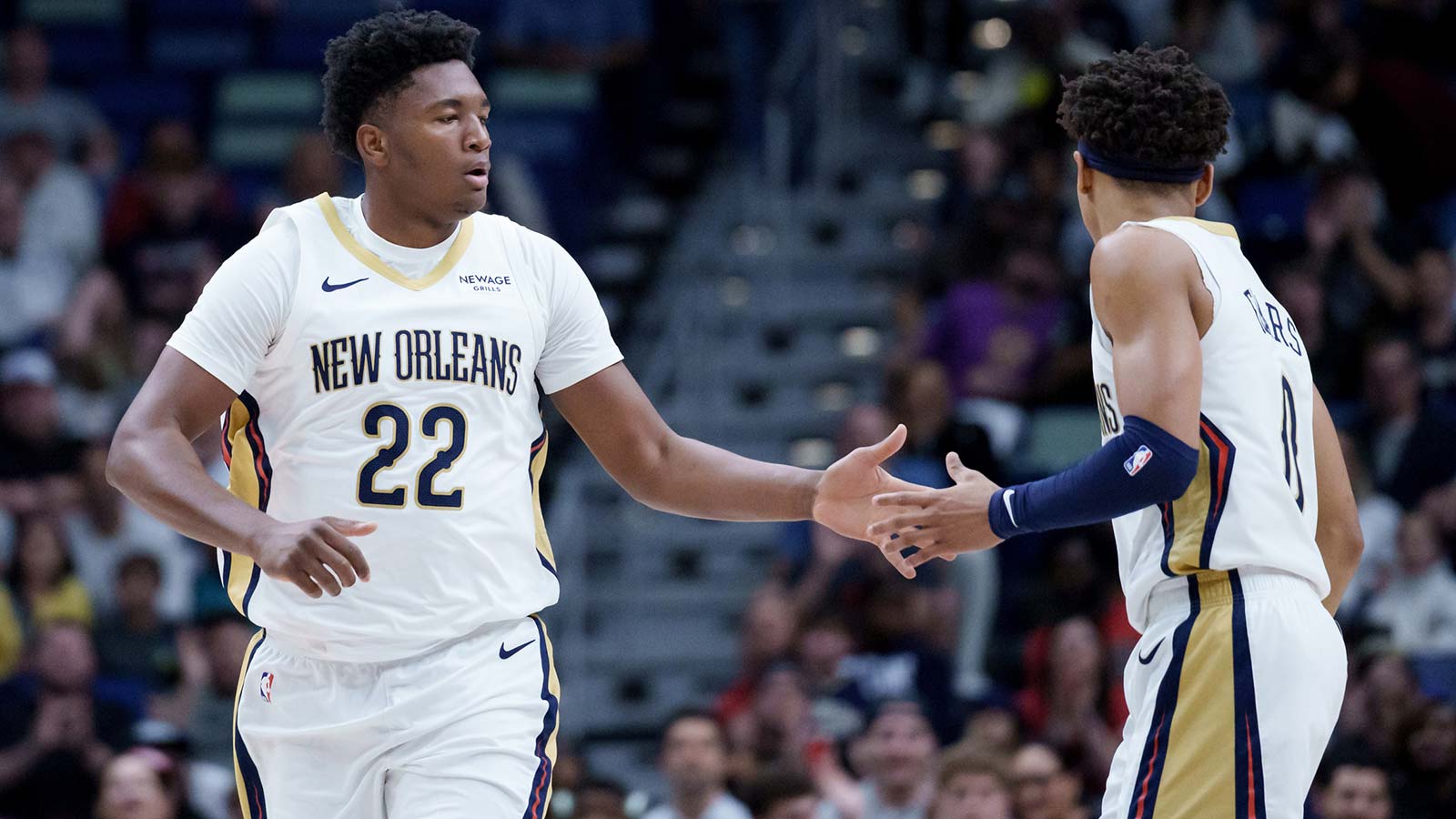
Borrego finds himself in an impossible position. It’s hard to steer a ship with two gaping defensive holes in the hull after all. Fears was reportedly deemed “untouchable” in trade discussions, while Queen cost the team its unprotected 2026 first-rounder. Development must remain a priority. Yet the interim coach also has a responsibility to win. Zion Williamson, Trey Murphy III, and Herb Jones deserve better than being dragged down by ineffective supporting casts.
Watching rotation spots and minutes go to players whose current contributions are demonstrably costing games is the fastest recipe for locker room discontent. Borrego’s challenge isn’t just X’s and O’s; it’s managing morale and keeping a veteran group bought in while executing a plan they can see isn’t working.
Bench the rookie, start a front office riot. Keep playing them heavy minutes, risk losing the locker room. The compromise? Start Jose Alvarado or Dejounte Murray upon return from injury. Fears could benefit from facing second units where his athleticism and shot creation would stand out more. Give Karlo Matkovic more opportunities. Queen might thrive in shorter stints where his passing can shine without defensive limitations being exposed over extended runs.
One non-starting five solution has been to turn to veterans in crucial moments. Alvarado, who posts a plus-7.1 on/off rating (best on the team), has taken critical minutes from Fears. Yves Missi has emerged as the more reliable big man option. Borrego even benched both rookies to start the second half in favor of Alvarado and Missi, a tacit acknowledgment of the production gap.
The only path forward for Borrego is a public embrace of the difficult assignment. There is a fine line between somehow developing raw talent within the fire of a playoff race, teaching on the fly during timeouts, and hoping for rapid, unprecedented improvement. He must sell a vision of future payoff to a locker room suffering present pain, all while his own job prospects hang in the balance.
James Borrego’s Pelicans are in a rookie bind, not because the players are failing, but because the organizational timeline is at war with itself. And the interim coach, tasked with an unwinnable mission, is the one who will ultimately be held accountable for the losses that were seemingly baked into the season from the start.
The post Why James Borrego’s Pelicans are in All-Rookie bind with Derik Queen, Jeremiah Fears appeared first on ClutchPoints.