- Ferrari-sourced V12 makes 800 hp and revs to 8,500 rpm.
- Built around a 165 kg (364 lbs) carbon monocoque chassis.
- Produces 1,300 kg (2,866 lbs) of downforce at 200 mph.
More than three years after it first broke cover as a prototype, the Apollo Evo has finally arrived in production form. Built for the track and limited to just 10 units globally, the Evo picks up where the Intensa Emozione left off. The first car is currently under construction.
Read: Germany’s Only Hypercar Builder Returns With A V12 Sledgehammer
Beneath the bodywork sits a carbon fiber monocoque that Apollo claims weighs only 165 kg (364 lbs), shedding 10 percent compared to the IE while also gaining 15 percent in stiffness.
Built Without Road Rules
Without having to worry about meeting the safety standards that so often restrict what can be done with road-legal cars, Apollo has been able to design a vehicle that makes even the most outlandish Paganis and Koenigseggs look restrained.
There’s sharp LED lighting at the front and rear, a massive roof scoop, a wild rear diffuser, and a deployable wing that claims it can produce 1,300 kg (2,866 lbs) of downforce at 320 km/h (200 mph).
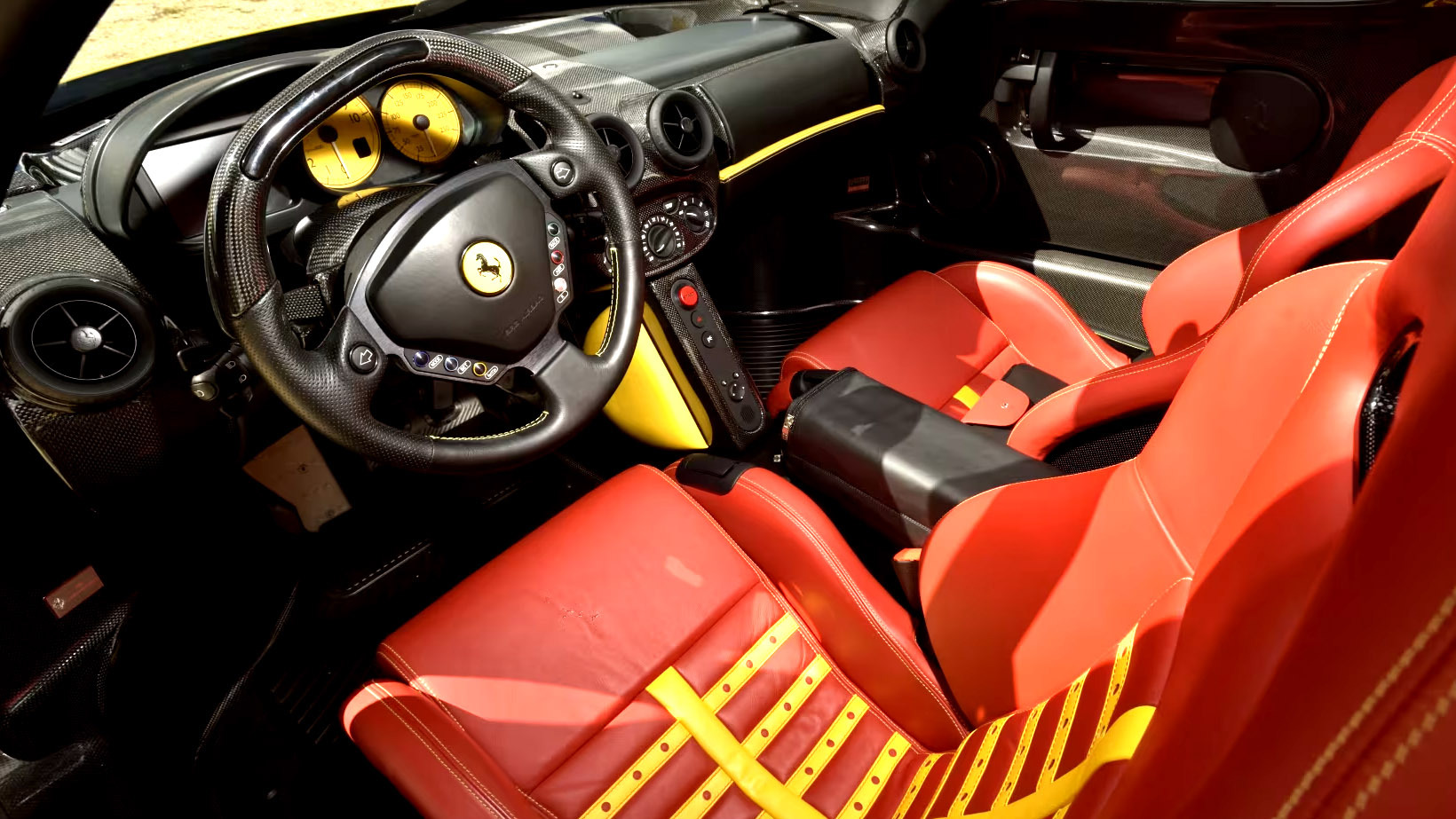
The Evo’s interior is just as extreme as its exterior, stripping away every non-essential element to reveal the raw mechanical anatomy beneath. Rather than covering up structure, Apollo exposes it. According to the company, the dashboard doubles as a structural beam, and the control layout follows a purpose-driven logic.
V12 Fury
The beating heart of the Evo is the highlight: a 6.3-liter naturally-aspirated V12 that revs to 8,500 rpm and delivers 800 hp and 564 lb-ft (765 Nm) of torque. Just like the IE, it’s a Ferrari-derived engine used in vehicles like the F12 Berlinetta.
Working alongside the V12 is a six-speed sequential transmission that sends power through the rear wheels. Speaking of wheels, they 20-inch front and 21-inch rear forged units clad in the latest Michelin Pilot Sport Cup 2 R tires.
Thanks to the lightweight construction, the Evo weighs just 1,300 kg (2,866 lbs), meaning it can hit 100 km/h (62 mph) in a blistering 2.7 seconds and power through to 335 km/h (208 mph).
Only Ten Will Exist
Every Evo will be a one-off, with each owner selecting their ideal mix of materials and finishes. Pricing starts at €3 million (roughly $3.5 million at current exchange rates) before local taxes, and the first customer deliveries are expected to begin in the first half of this year.