In Belém, Brazil, the spectacle of COP30 diplomacy has already faded. While the global leaders gathered to trade new promises on climate action, the real crisis raged on the ground.
India, a key player in this fight, is currently battling a confluence of climate-driven disasters. This year’s punishing extreme heatwave, one of the earliest and most severe on record, scorched vast swathes of the subcontinent.
Simultaneously, the recent unprecedented floods in Punjab, India’s essential “food bowl”, have submerged huge tracts of farmland, destroying crops and jeopardising the nation’s food security.
A new global assessment done by the UN now identifies India as one of the world’s largest methane emitters, driven largely by agriculture, crop-residue burning and overflowing dumpsites adding fuel to an already accelerating crisis.
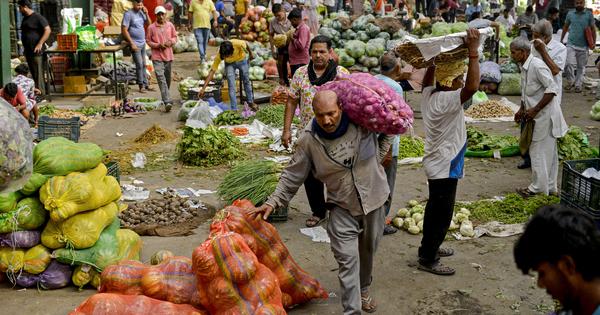
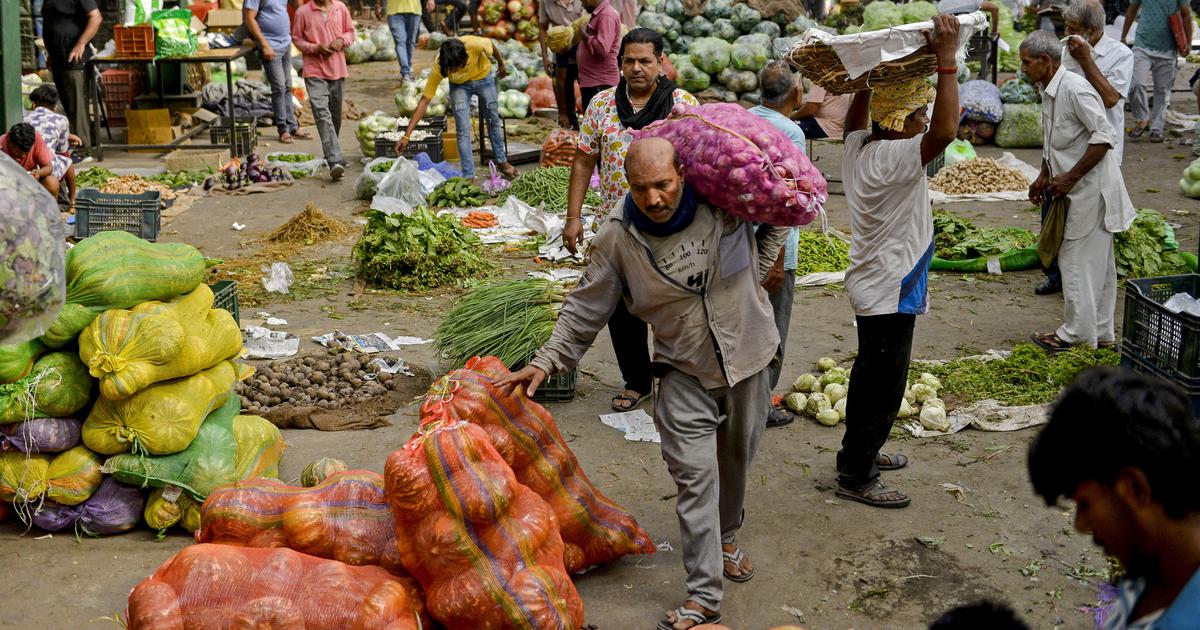
This is the grim reality of climate change – extreme heat and flooding directly cause massive food loss at the farm gate, which in turn intensifies the climate threat when it rots in landfills.
Food rotting in landfills releases methane, a Short-Lived Climate Pollutant that is up to 86 times more potent than carbon dioxide over 20 years.
India is caught in a disastrous loop, where its colossal food waste problem is both a symptom and a significant accelerator of the climate crisis.
We are, quite literally, feeding our garbage dumps instead of our people, creating a...