In the vast, interconnected world of social media, Disney is usually a master of the “brand moment.” From celebrating anniversaries to dropping cryptic trailers for the next Star Wars series, the House of Mouse knows how to stir up engagement. However, this week, Disney found itself at the center of a different kind of viral storm—one sparked not by what they posted, but by what they chose to delete.

The controversy began when Disney’s official social media account asked fans for a “Disney movie quote that shows how they’re feeling right now.” Instead of cute Disney quotes, they got a thread of powerful, anti-authoritarian, and anti-fascist quotes from across its massive film library. Hours later, the thread was scrubbed from the internet. The deletion has sparked an enormous debate about corporate censorship, the current political climate, and whether Disney is afraid of the very “rebels” it profits from on the big screen.
The Thread That Was: Freedom, Rebellion, and the Power of the People
The original thread, which appeared briefly on Threads and Instagram, became a compilation of cinematic moments that have defined Disney-owned franchises for decades. Fans initially saw the post as a bold embrace of the themes found in their most critically acclaimed works.

According to screenshots and archives preserved by users and reported by The Verge, the thread included heavy hitters from the Star Wars and Marvel universes, as well as classic Disney animation:
- From Andor: “There is a wound that won’t heal at the center of the Galaxy. There is a darkness that is spreading. The Empire disease that thrives in darkness, it is never more alive than when we sleep.” — Karis Nemik
- From Captain America: The First Avenger: “I don’t like bullies; I don’t care where they’re from.” — Steve Rogers
- From Star Wars: The Last Jedi: “That’s how we’re gonna win. Not fighting what we hate, saving what we love.” — Rose Tico.
- From A Bug’s Life: “You let one ant stand up to us, then they all might stand up! Those puny little ants outnumber us a hundred to one and if they ever figure that out there goes our way of life!” — Hopper.
The thread was framed as a celebration of “The Spirit of Resistance,” but as the engagement numbers climbed into the hundreds of thousands, the entire post vanished without explanation.
The Corporate “Disney Squeeze”: Why Delete It?
The immediate question from fans and industry analysts alike is: Why? Why would a company that spent billions of dollars producing Andor—a show literally about the birth of a rebellion against a fascist regime—suddenly feel the need to delete quotes from that very show?

1. The Fear of Polarization
In 2026, the political landscape is more fractured than ever. Disney has spent the last several years navigating a difficult tightrope. After the fallout from the “Don’t Say Gay” bill controversy in Florida and subsequent “anti-woke” backlashes, the company has reportedly been trying to move back toward a “middle-of-the-road” brand identity.
Critics argue that by deleting anti-fascist quotes, Disney is attempting to avoid being seen as “partisan.” However, as many fans pointed out, suggesting that “anti-fascism” is a partisan issue is, in itself, a startling admission of the current political state.
2. Protecting the “General Audience”
Under the leadership of Bob Iger (and his projected successors), Disney’s primary goals have been to stabilize its stock price and expand its streaming reach. In certain international markets and specific domestic demographics, the term “anti-fascist” has been reframed by political commentators as a “radical” stance. It is possible that Disney’s PR team saw the thread as a potential magnet for a “review-bombing” campaign or a boycott, and chose silence over taking a stand.
The “Andor” Paradox: Profiting from Rebellion While Silencing the Message
The deletion highlights what many call the “Disney Paradox.” The company’s most successful modern stories—Star Wars, Black Panther, and Avatar—are centered entirely on themes of indigenous or grassroots resistance against oppressive, militaristic, and fascist-leaning empires.

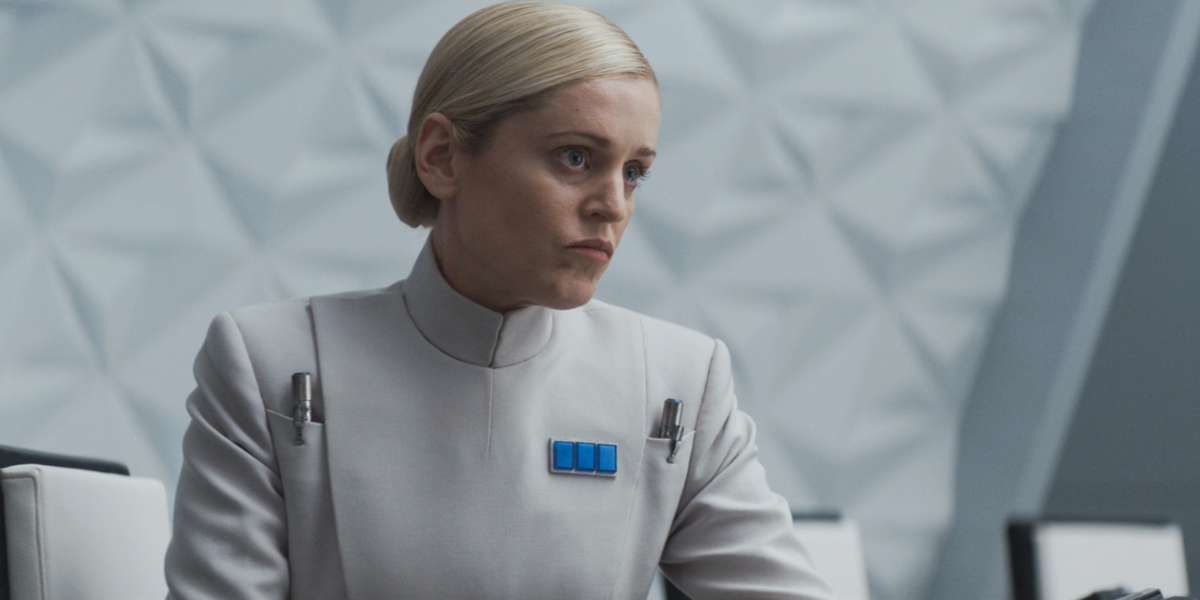
Andor, in particular, was praised by critics as one of the most sophisticated depictions of political struggle ever put to film. It didn’t just show “good vs. evil”; it showed the bureaucratic, grinding nature of fascism. By deleting quotes from Andor that describe the “disease” of empire, Empirey appears to be at odds with its own creative output.
“You can’t sell us $200 ‘Rebel’ jackets at Galaxy’s Edge and then delete the words that define what being a Rebel actually means,” wrote one viral post in response to the deletion.
The Streisand Effect: Deletion Only Fuels the Fire
If Disney’s goal was to avoid controversy, the plan backfired. In the digital age, “the Streisand Effect” ensures that attempting to hide information only makes it more visible. Within an hour of the thread’s deletion, #DisneyCensorship and #Andor began trending.
Independent creators and fans began re-posting the screenshots, ensuring the quotes reached millions more people than the original thread likely would have. The move has also given critics on both sides of the aisle ammunition:
- Progressive fans see it as a betrayal of the inclusive and revolutionary themes Disney claims to champion.
- Conservative critics see it as proof that Disney is “confused” and reactive to public pressure.
Historical Context: Disney’s Political Tightrope
This is not the first time Disney has struggled with its political identity. From its WWII-era propaganda films to its 1990s expansion and the recent battles over social issues, the company has always functioned as a cultural mirror.

However, in 2026, the stakes are higher. With a massive theatrical slate ahead—including Dave Filoni’s new Star Wars direction and a rebooted Marvel Cinematic Universe—Disney needs its fans to feel “inspired” by its heroes. When the company silences the very words that make those heroes heroic, it risks alienating the core audience that keeps the “magic” alive.
Conclusion: Can a Brand Be Neutral on Fascism?
The deletion of the “Anti-Fascist Thread” will likely go down as a textbook example of corporate PR gone wrong. It raises the uncomfortable question: Can a global entertainment giant remain “neutral” when it builds a library of stories that takes a side?

As of now, Disney has not issued an official statement regarding the deletion. Whether it was a mistake by a social media manager or a high-level corporate directive, the message sent to the fans was loud and clear. In the world of Disney movies, the rebels always win because they refuse to be silenced. In the world of Disney corporate, it seems, the story is a bit more complicated.
Do you think Disney was right to delete the thread to avoid controversy, or is this a case of corporate cowardice?
The post The Mouse Recants: Why Disney Deleted a Viral Thread of Anti-Fascist Movie Quotes appeared first on Inside the Magic.