
Le Journal

China folk custom beats women to boost fertility, with dire consequences for not conceiving
An uncivilised folk custom in ancient China known as Pai Xi, or “Beating for Joy”, involved striking women with sticks in an attempt to exorcise evil spirits and pray for conception. Pai Xi, also known as Da Sheng, meaning “Beating for Birth”, is believed to have originated in southern China, particularly in Jiangsu and Fujian provinces. It was a fertility ritual that gained popularity during the Song dynasty (960–1279). According to the Records of National Customs of China, in rural areas of...

Aurélien Bory, scénographe : « Je veux célébrer ce moment premier où l’espace devient théâtre »

Palm Royale : y aura-t-il une saison 3 ?
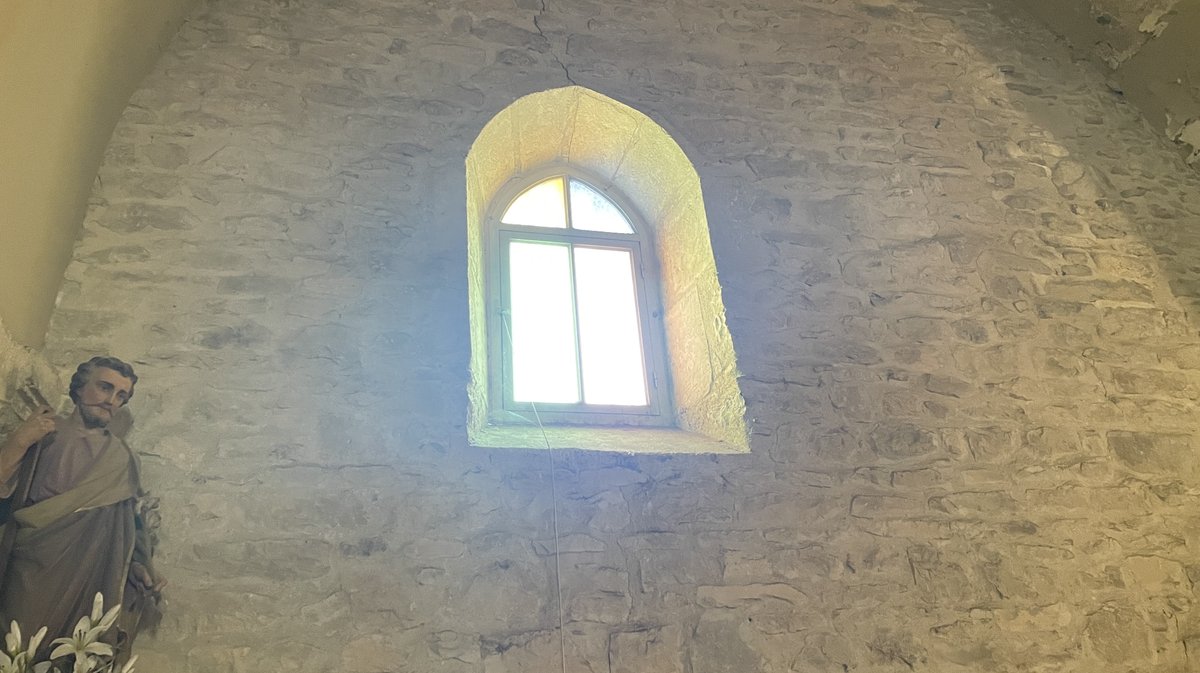
SAINT-CÔME-ET-MARUÉJOLS Les vitraux de l’église vont retrouver leur éclats
Affectée au district paroissial de Calvisson, l’église ogivale date du XIIIᵉ siècle et elle a été restaurée au XIXᵉ. Mais les affres du temps ont détérioré la toiture et les vitraux. La commune de Saint-Côme-et-Maruéjols, à qui appartient l’église, vise à redonner tout son éclat à l’édifice en intervenant sur ses ouvertures. L'église de Saint-Côme-et-Maruéjols. • Photo : Norman Jardin. Le chantier comprend la réfection des vitraux existants ainsi que la création de nouveaux éléments destinés à remplacer certaines fenêtres vétustes. Réalisés selon des techniques traditionnelles, pièces de verre assemblées et serties au plomb, ces travaux de restauration sont prévus sur une durée d’environ quatre semaines. Les vitres colorées de l’église seront remplacées par des vitraux Michel Verdier, le maire de Saint-Côme-et-Maruéjols. • Photo : Norman Jardin. « Ces travaux seront engagés à la demande de la paroisse et elle nous avait suggéré de mettre des réels vitraux. C’est le curé de la paroisse, avec le diocèse et l’association paroissiale du village, qui ont fait des propositions. C’est une entreprise gardoise, basée à Ners, qui réalisera le chantier », explique Michel Verdier, le maire de Saint-Côme-et-Maruéjols. Les futurs vitraux de l'église de Saint-Côme-et-Maruéjols. • Photo : Norman Jardin. Les travaux ne se réaliseront pas d’ici deux ou trois ans. Le coût du projet est de 26 265 € financés en partie par Nîmes métropole et la Région Occitanie. Ultérieurement, un projet plus important pourrait voir le jour avec la rénovation de la toiture. Un chantier qui avoisine les 80 000 € hors taxe.

Ecriture inclusive : « La langue est confiée à des gens qui ne la servent pas, mais l’utilisent comme un outil militant », estime Paul-Marie Coûteaux
Nvidia is staffing up as it draws heightened scrutiny. These are the key leaders it gained and lost last year.
Business spending on OpenAI models jumps to a record, new data shows
A startup therapist says most founder blowups can be solved in three ways
Yariv Ganor started focusing on providing therapy to startup founders six years ago.Yariv GanorCofounder relationships can get tense, especially when fundraising or keeping pace with the AI industry.Therapist Yariv Ganor advises founders on managing identity, stress, and mental health.Many founders say their "always on" mentality is key to their success.The most intimate relationship of an entrepreneur's life may not be with a spouse or a best friend, but with their cofounder. When it works, a thunderbolt idea can become a unicorn. When it doesn't, conflict can sink the ship just as quickly as it took off.Though confounder conflict isn't particularly new to Silicon Valley, the pressure to launch a successful AI startup, especially among young founders in San Francisco, is only mounting. The pace of dealmaking and technological advancements makes it all the more important to address internal fractures.And it's a new year, and that's always cause for some well-meaning reflection — and perhaps an influx of founders interested in couples, err, cofounder therapy.Yariv Ganor, a therapist based in Israel, has been counseling startup founders for the past six years. Ganor, who is trained as both a clinical and industrial psychologist, knows a thing or two about startup life. He used to work in marketing at various Israeli startups.Some research suggests that Ganor is onto something. Nearly seven in ten founders in a 2025 study said that their "always on" mentality was foundational to their success, while over 70% of participants in a 2018 study on psychiatric conditions among entrepreneurs reported experiencing higher rates of depression, ADHD, and other mental health conditions compared to non-entrepreneurs.Ganor sees the consequences of that strain play out in real time, especially as startups scale, funding multiples, expectations mount, and stress compounds. After years of working with founders, Ganor told Business Insider his three pieces of advice he repeatedly gives cofounders:Your startup isn't your identity, even if it feels like oneFor many founders, the line between who they are and what they do blurs fast, Ganor said. "Being a founder is a question of identity: It's a personal identity, not just a job," he added. "Sometimes they get so wrapped up in their titles that they forget parts of themselves."When work life crowds out everything else — personal relationships, hobbies, and more — Ganor said it becomes difficult for founders to maintain a sense of self outside the company.Founders are, Ganor thinks, trained to problem solve, execute, and optimize, often at the expense of reflection, which may have downstream effects on leadership, decision-making, and cofounder relationships.That's why a core part of Ganor's work is helping founders create diffusion between work and play. Ganor requires that founders take their meetings with him outside of the office and offers them tools for compartmentalizing their career and personal stressors.'Mental runway' is as real as financial runwayFounders ride or die by their runway, or how much cash they have left in the bank. What they don't track nearly as closely as they should, Ganor said, is their own capacity to keep going.In his experience, many founders believe they have unlimited mental stamina and can always push through those "996" work weeks, a demanding schedule — and an ascendant trend in Silicon Valley — that encourages founders and employees to work from 9 a.m. to 9 p.m. six days a week.Instead, Ganor wants founders to think about their mental health in the same way they think about their financial stakes in their companies: "Don't dilute your mental equity," he said. "You need to be very knowledgeable of your mental runway — once the startup starts, your runway gets shorter and shorter."Preserving that runway, Ganor thinks,…

GEA renforce son portefeuille de vannes avec l’acquisition d’Hydract
A16z partner shares 3 things founders should be able to 'materialize' if they want to be successful
The top management consulting firms in the US

La saison de la confirmation : un Diablotin fait craquer le Real Madrid et le Barça
...