Le Journal
.jpg)
À vendre, un (rare) hôtel particulier du XIXe siècle à Bordeaux, ancien restaurant de Joël Robuchon

Lime Garden Announce New Album ‘Maybe Not Tonight’, Share New Single

Progress Bar Psychology Explained: How Progress Meters Shape Focus and Motivation
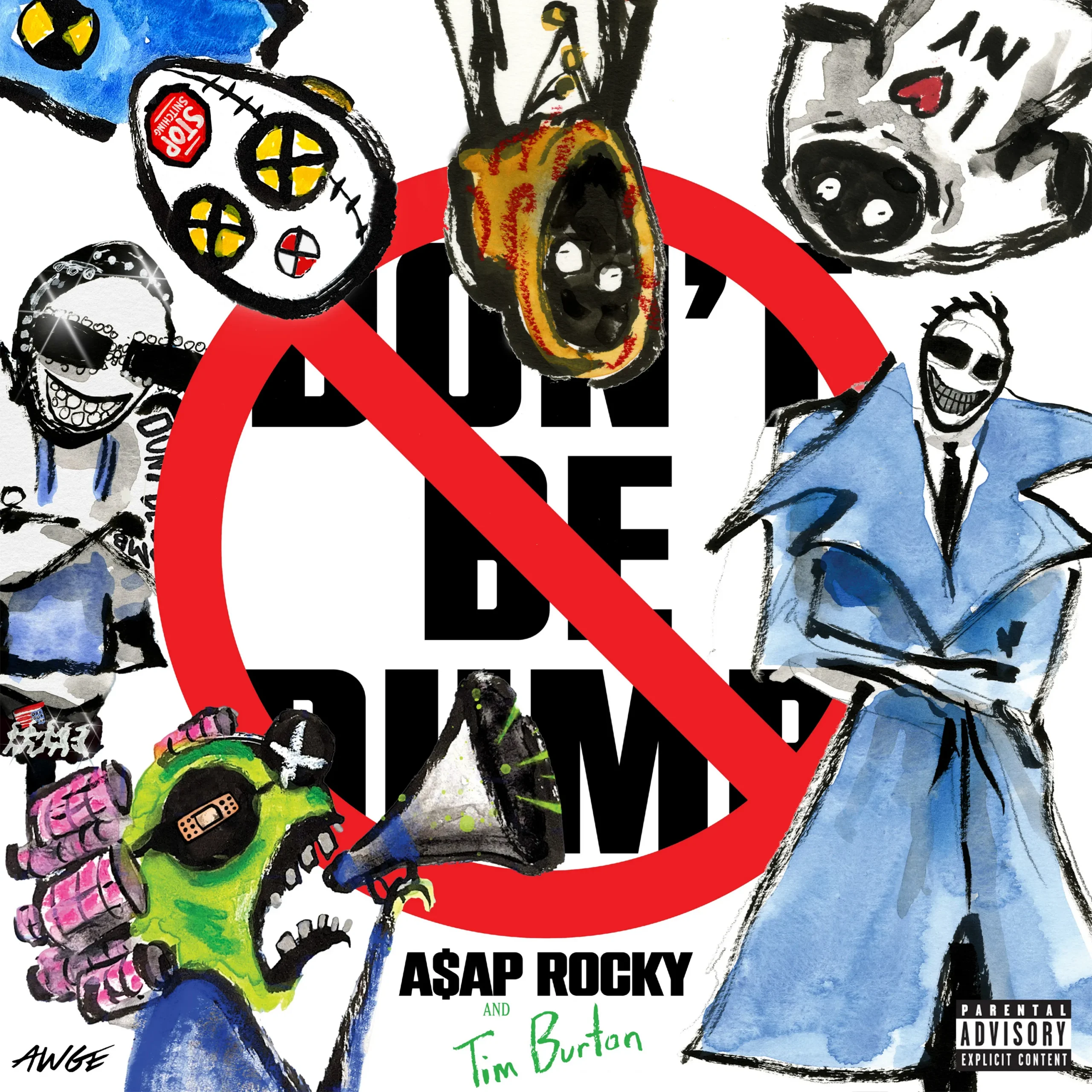
Album Review: A$AP Rocky, ‘Don’t Be Dumb’

Maison&Objet 2026 : nos 15 coups de cœur repérés sur le salon cette saison
La session de janvier du salon Maison&Objet 2026 a tenu ses promesses, celle de nous offrir des découvertes toujours plus inspirantes et la rencontre de talents exceptionnels.

What are the environmental influences on East Colfax residents? Colorado is spending $1 million to find out.

Drinking water agency sues Denver for “forever chemical” taint from firefighting center
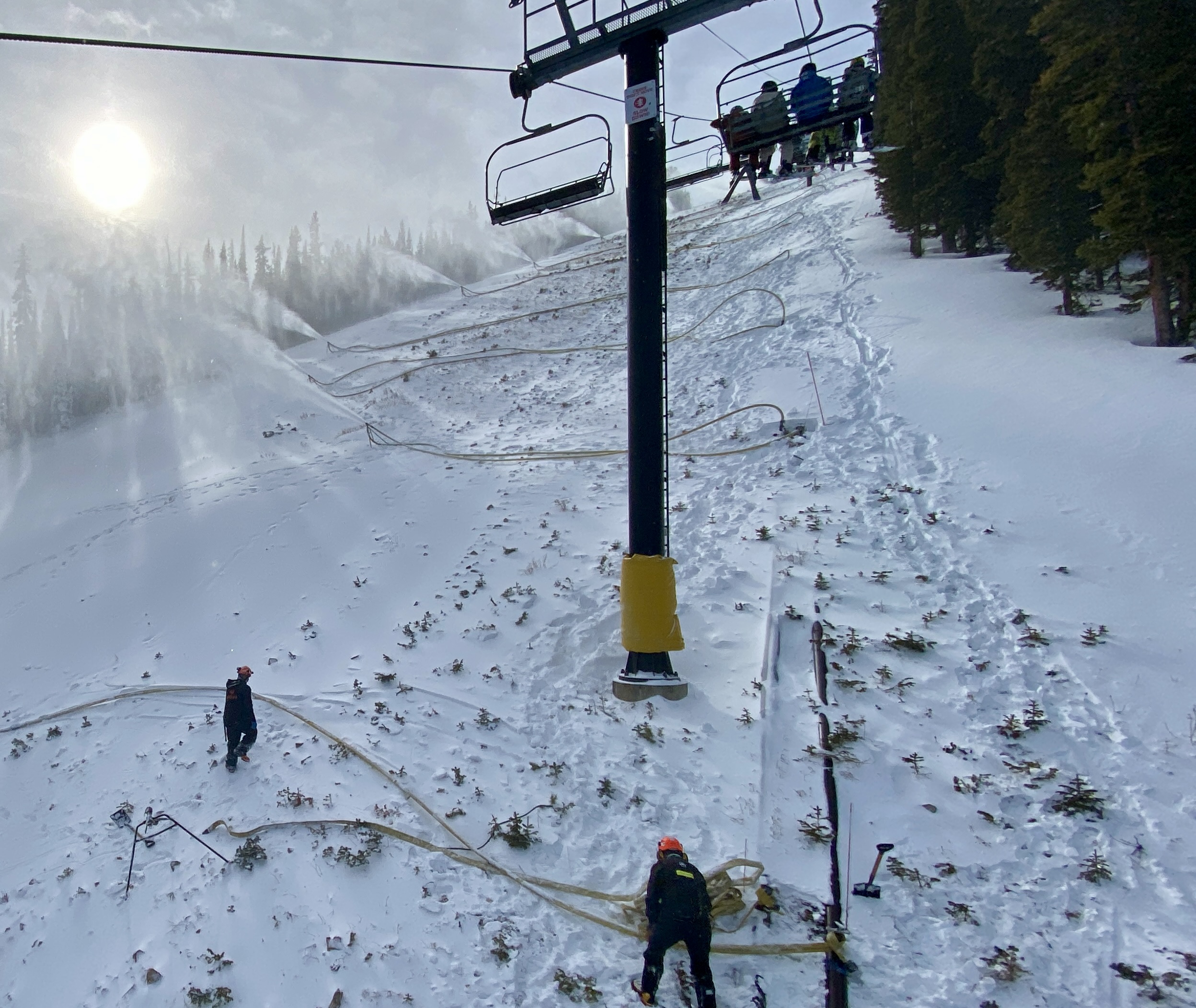
Series of big storms are needed to make up huge snow supply gap, Colorado water experts say
Colorado’s snowpack is at a record low, and the longer that continues, the harder it will be to make up the deficit before the end of winter, water managers say. Each year, the accumulation of snow in Colorado’s mountains helps supply Coloradans and millions of people in 19 downstream states with vital water for homes, businesses, farms and more. This year, the state has about 58% of its normal snowpack — the lowest on record for this time of year. Water experts are scoping out valleys and mountaintops, noting the lack of snowpack at low elevations and sparse supply up high. There’s a lot of winter left, they say, but at this point, the state would need some mega snowstorms to reach an average supply by the time water starts melting off the mountains. “If you’re looking at weather forecasts, we would need a 4-foot snowstorm to make up the deficit we’re in right now,” said Nathan Elder, manager of water supply for Denver Water, the state’s oldest and largest water provider. “Sometimes those happen in Colorado, but there’s no guarantees.” In southwestern Colorado, McPhee Reservoir is heading into the summer with little water stored. Far to the north, the river basins are the best in the state. The “best of the worst,” local water managers say. In both places, water users — like communities, farmers and industries — might end up tightening their water belts this summer if conditions don’t turn around. For Denver Water, which serves about 1.5 million people in Denver and its suburbs, it’s too soon to say whether there will be water use restrictions this summer, Elder said. They’ll know more closer to the annual snowpack peak in late April. But until then, people might want to water their trees and consider long-term investments in more drought-tolerant landscaping. “It might not be just this year, too. We’re thinking what our reservoirs will look like next March,” Elder said. “Water in Colorado and in the Front Range is really variable, but we know our climate is warming. People should be taking the approach of using the least amount that they can.” No good news Colorado’s snowpack officially became the worst on record in mid-January. Meanwhile, temperatures are reaching new highs. “There’s really not a lot of good news right now,” said Peter Goble, assistant state climatologist with the Colorado Climate Center at Colorado State University. “That’s been my job recently: bearer of bad news.” Last month marked Colorado’s warmest December since 1895. It was 10.1 degrees Fahrenheit warmer than the 20th century average, making it closer to Colorado’s normal conditions in March. Federal measurement stations across Colorado, called SNOTEL stations, have logged record low snowpack levels around Vail Mountain, Fremont Pass north of Leadville and Hoosier Pass south of Breckenridge. These stations launched in different years, so the “record” can vary from a few years to several decades. (Most of the stations listed above have about 40 to 50 years of data.) Other stations have marked their second- or third-lowest levels of snow-water equivalent, the amount of liquid water in snow, for this time of year, Goble said. Each of these major river basins has had about half of its normal snowfall by this point in the winter. Yampa-White-Little Snake combined river basin in northwestern Colorado has had the most snow, 70% of the median from 1991 to 2020. That’s still near the lowest end of the spectrum for mid-January. “We’re far enough into the winter that it starts to become difficult to dig out of these deficits,” Goble said. Looking at previous dry winters, Goble found that the state received enough snow between January and April to make up this big of a gap 10% of the time, he said. “It’d take a big year to get us back to normal,” he said. The northwestern combined basin is part of the larger Colorado River Basin, which spans the Western Slope and extends across six other states and into northern Mexico. If critically dry conditions continue,…

Denver Foundation accused of delaying funds for nonprofit that helps undocumented immigrants

Littwin: As Trump tries to steal Greenland, the world order hangs in the balance

Another gray wolf relocated to Colorado has died, bringing the total to 11 of 25 brought to state