Le Journal

Comité départemental loup : point d’étape jeudi à Aix

Escroquerie immobilière « Apollonia » : de la prison ferme pour les principaux mis en cause
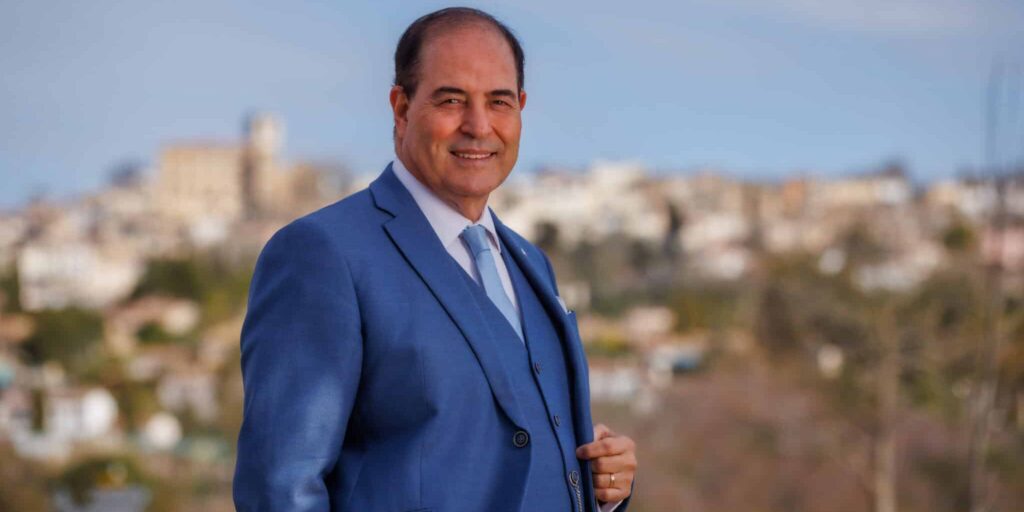
Municipales à Aix : l’appel à l’union de Mohamed Laqhila (Modem)
L’ancien député des Bouches-du-Rhône (Modem), Mohamed Laqhila, publie ce lundi 19 janvier, un communiqué où il appelle à l’union des candidats de la droite et du centre aux municipales 2026. « À Aix-en-Provence, l’élection municipale de 2026 ne sera ni une formalité ni un simple renouvellement de mandat. Elle sera un choix clair entre la […]

Toulouse-Lautrec, la grande expo d’été à Caumont, à Aix

The real reason people are so passionate about Heated Rivalry

Americans don’t trust crowdfunding sites like GoFundMe. So, why do they keep giving?
Today, no American tragedy is complete without a GoFundMe. It took less than a week to raise over $1.5 million for the family of Renee Nicole Good, the woman fatally shot by an Immigration and Customs Enforcement agent in Minneapolis earlier this month. At the same time, a parallel fundraiser for her killer raised hundreds of thousands of dollars. And last year saw GoFundMe campaigns for people rebuilding their homes after the Los Angeles wildfires, therapy for the Camp Mystic flood survivors in Texas, struggling families affected by the SNAP shutdown, and far more. But even as one in five Americans donate directly to those in need through crowdfunding, many feel uneasy about the rise of platforms like GoFundMe, which has raised over $40 billion since 2010, according to a recent survey by the Associated Press and the NORC Center for Public Affairs Research. The poll of 1,146 adults nationwide measured the extent to which Americans now participate in crowdfunding, the details of what that participation now looks like, and the nature of how they perceive crowdfunding campaigns. The survey found that less than 10 percent of Americans — including both donors and non-donors — felt very confident in the effectiveness of crowdfunding campaigns, and many harbored serious doubts about who really stands to profit from them. More than half of those surveyed said they had very little confidence that crowdfunding websites like GoFundMe charge reasonable service fees. And nearly as many doubted that crowdfunders themselves use the money they raise responsibly or raise enough to meet their goals at all. View Link As I previously reported in October, the evidence shows that some of their fears are justified. Start with those service fees, which the highest share of survey participants had qualms about. While the for-profit GoFundMe, the biggest name in the game, technically only charges a nominal processing fee like any other fundraiser, the platform defaults donors into “tipping” some 17.5 percent (on my browser, at least) of their donation to benefit the company’s bottom line. And for a fundraiser as big as the one for Good’s widow, those tips can really add up. If all donors tipped the full 17.5 percent on the $1.5 million campaign, GoFundMe would rake in over $260,000. Another point of doubt was the idea that many who crowdfund don’t actually need the money and, even if they do, might not use it responsibly. The data on such fraud is difficult to come by, and while GoFundMe claims it affects only about one in 1,000 campaigns on its platform, the disperse nature of crowdfunding makes it virtually impossible to verify whether most fundraisers ultimately use their funds “wisely” or even for their intended purpose at all. What’s more, Americans’ hunch that few crowdfunds ultimately reach their initial goals is also right on target. Some studies show that as few as one in ten crowdfunding campaigns succeed by that metric. And while every dollar counts, the people who need the most help often struggle to get their fundraiser off the ground at all. More often than not, the wealthier and whiter the fundraiser’s neighborhood and network is, the more successful their campaign is likely to be, according to several studies measuring the success rate of medical crowdfunds, meaning that many people who need help get left behind. A week before Good’s shooting, another American citizen, Keith Porter Jr. — a Black father from Los Angeles — was fatally shot by an off-duty ICE officer on New Year’s Eve. Porter had just fired a celebratory shot in the air from an AR-15-style rifle when he was confronted and killed by the agent, who lived in the same apartment complex. Yet, for days, a fundraiser for his family struggled to gain the same traction as the one for Good, who is white. Amid some outcry over the disparity, a GoFundMe for Porter’s daughters has managed to raise nearly $260,000 out of a goal of $300,000. Still,…

Priscilla Dousse, nouvelle présidente d’Apia Méditerranée
Apia, l’association nationale des administrateurs indépendants des PME-ETI et start-up, annonce une nouvelle présidence pour la région Méditerranée : Priscilla Dousse est élue présidente d’APIA Méditerranée pour un mandat d’un an. Elle sera secondée par Cécile Serrus, élue vice-présidente. Priscilla Dousse est « une dirigeante expérimentée avec une double expertise en direction générale et en […]

Emmanuel Macron : « Istres, un symbole de notre réarmement français »
Comme attendu, le Président de la République Emmanuel Macron, en déplacement sur la base aérienne d’Istres à l’occasion de ses voeux aux Armées, jeudi 15 janvier, a tenu un discours particulièrement déterminé pour renforcer encore l’effort militaire du pays. Huit ans après sa première venue sur le site, au lendemain de sa première élection, Emmanuel […]
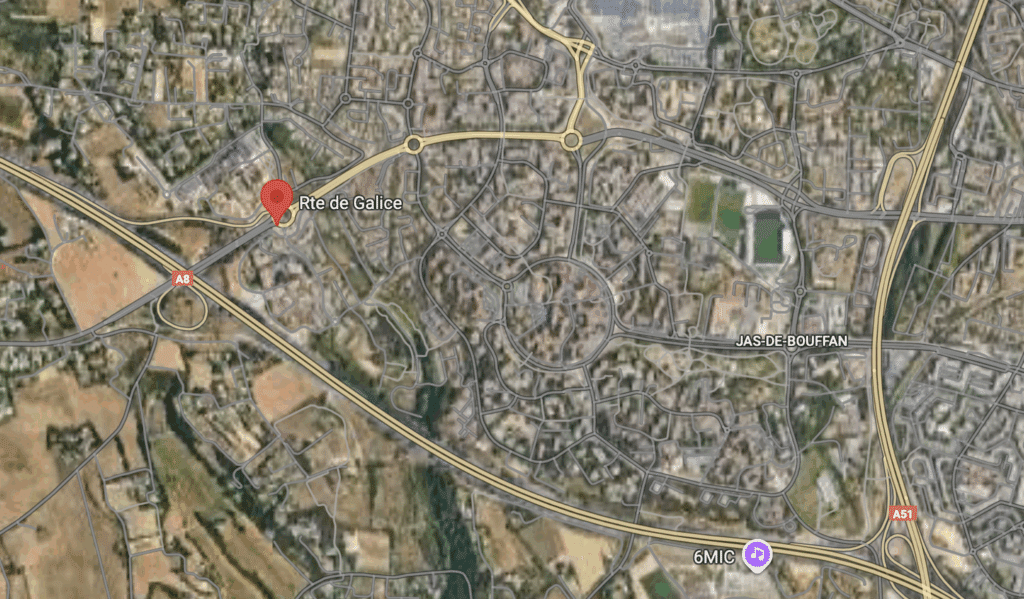
Aix : fermeture nocturne de la route de Galice pour travaux jusqu’à fin février

Kairos, MRO… les nouveaux projets aéronautique et défense d’AMP (6/7)