
Le Journal
Netflix to buy Warner Bros. and HBO Max for $83 billion in blockbuster Hollywood deal
In a watershed move, Warner Bros. Discovery announced Friday it has agreed to sell its streaming and studios assets to Netflix in a deal valued at $82.7 billion, setting the stage for one of the most sweeping and consequential mergers in modern Hollywood history. If approved by federal regulators, the transaction promises to create a new entertainment and media behemoth, uniting the world’s largest streaming destination with a storied 102-year-old film studio. Warner Bros.’ portfolio includes HBO, the HBO Max streaming platform and the “Harry Potter” movie franchise. Netflix, home of “Stranger Things” and “Squid Game,” reaches more than 300 million paid subscribers across over 190 countries. “Our mission has always been to entertain the world,” said Ted Sarandos, co-CEO of Netflix, in a news release. “By combining Warner Bros.’ incredible library of shows and movies—from timeless classics like Casablanca and Citizen Kane to modern favorites like Harry Potter and Friends—with our culture-defining titles like Stranger Things, KPop Demon Hunters and Squid Game, we’ll be able to do that even better. “Together, we can give audiences more of what they love and help define the next century of storytelling,” Sarandos added. Netflix’s takeover of Warner Bros. ushers in a new era for Hollywood, which has evolved from a business focused on theatrical exhibition to an increasingly digital-first industry. The acquisition cements Netflix’s market dominance and expands the company’s content library as it faces off against tech giants like YouTube and TikTok. The deal would give Netflix access to popular and lucrative intellectual property, including DC Comics characters such as Batman and Superman; the “Game of Thrones” TV saga; and a vast trove of titles stretching from “Casablanca” and “Dirty Harry” to “Dune” and “Barbie.” In the lead-up to the announcement, Netflix attempted to reassure the creative community by reportedly promising to release Warner Bros. movies in brick-and-mortar cinemas. But many filmmakers are skeptical of Netflix’s business model, which prioritizes streaming distribution. In a news release Friday announcing the deal, the two companies said that the acquisition would be a mix of cash and stock that valued Warner Bros. Discovery at $27.75 per share, with an enterprise value of $82.7 billion and an equity value of $72 billion, which takes into account Warner Bros. debt. As of Thursday trading, Warner Bros. Discovery’s entire market capitalization — the value of the company based on its stock price — was $60 billion. The size of Netflix’s offer for Warner’s streaming and HBO divisions was striking, with the streaming giant paying $72 billion for just those two divisions, more than the entire current company‘s $60 billion market value. To help complete the cash part of the deal, Netflix said it would take out a $59 billion bridge loan from three major banks. Warner Bros. Discovery, weighed down by billions in debt and lackluster streaming growth, formally put itself up for sale in the fall. The company’s suitors included Paramount Skydance and Comcast, which each made bids in a largely secretive process. (Comcast owns NBCUniversal, the parent company of NBC News.) “Today’s announcement combines two of the greatest storytelling companies in the world to bring to even more people the entertainment they love to watch the most,” David Zaslav, president and CEO of Warner Bros. Discovery, said in a news release. “For more than a century, Warner Bros. has thrilled audiences, captured the world’s attention, and shaped our culture,” Zaslav added. “By coming together with Netflix, we will ensure people everywhere will continue to enjoy the world’s most resonant stories for generations to come.” If the deal goes through, Zaslav would not stay with the combined company, according to a source familiar with the matter. The tie-up would not include Warner-owned cable channels such as CNN, TNT and TBS. Paramount was widely seen as the…
A thief swallowed a $19,000 Fabergé pendant. Police recovered it ‘naturally' after 6 days.
White House brings in new architect for Trump's sprawling $300 million ballroom
CDC advisory panel rolls back universal hepatitis B vaccine recommendation
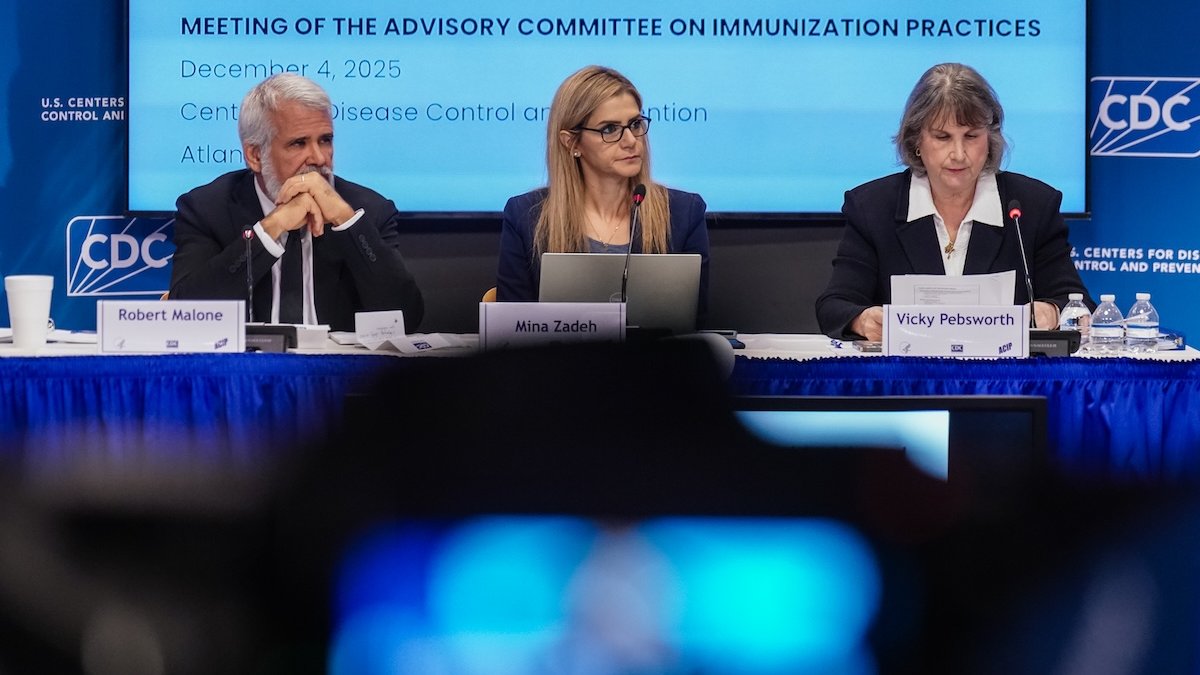
The Centers for Disease Control and Prevention’s vaccine advisory panel on Friday rolled back a decadeslong recommendation that all newborns get a first dose of the hepatitis B vaccine within 24 hours of birth. The vote came after a day and a half of heated debate and confusion that included misinterpreted data and pleas from public health experts to uphold recommendations for the vaccine that protects against an incurable infection. The panel, formally known as the Advisory Committee on Immunization Practices — whose members Health Secretary Robert F. Kennedy Jr. fired in June and replaced with a group that has largely expressed skepticism of vaccines — recommended that women who test negative for hepatitis B can decide in consultation with a health care provider whether their baby should get the birth dose. The group suggested waiting until at least 2 months of age for the first dose if the vaccine is not given at birth. Three of the eight members voted against the change. “We are doing harm by changing this wording and I vote ‘no,’” said Dr. Cody Meissner, the only ACIP member who has previously served on the committee. Acting CDC Director Jim O’Neill — a former investment executive who does not have a medical background, but previously served at the Health and Human Services Department under President George W. Bush — will now choose whether to adopt the panel’s recommendations. Sen. Bill Cassidy, R-La., a liver doctor who chairs the Senate’s health committee and cast a key vote in favor of confirming Kennedy as health secretary, said the panel’s new recommendation is “a mistake.” “Ending the recommendation for newborns makes it more likely the number of cases will begin to increase again. This makes America sicker. Acting CDC Director O’Neill should not sign these new recommendations and instead retain the current, evidence-based approach,” Cassidy said in a statement. The panel also voted in favor of parents consulting with health care providers about testing their children for antibodies to hepatitis B before deciding whether their child needs another dose of the vaccine after the first one. The hepatitis B shot is usually given to infants as a three-dose series. Typically, after the first dose is given within 24 hours of birth, children get the second dose at 1 to 2 months, and the third between 6 to 18 months of age. Some panel members expressed concern about vaccinating during the neonatal period, a critical window of development for the brain and immune system — despite the fact that the hepatitis B vaccine has been safely given to newborns for decades. Others said they had not seen data to support delaying the dose until two months or older. “We have to make decisions with the data that we have, and we must use only the credible data to make the decisions, and not speculations and not hypotheses,” said ACIP member Dr. Joseph Hibbeln, a psychiatrist and neuroscientist. Ahead of the vote, representatives from liaison groups urged the panel to reconsider changing the current recommendation. “This vote is an unnecessary solution looking to find a problem to solve,” said Dr. Jason Goldman, president of the American College of Physicians, addressing the panel members directly. “It will not fix your concerns of informed consent, but only endanger children.” Dr. Amy Middleman, a representative for the Society for Adolescent Health and Medicine, noted that the CDC’s infectious disease experts could not vet misinformation before it was presented to the public. “As a hep B researcher, I can confirm there has been a lot of misinformation presented in the last couple of days,” Middleman said. The panel did not change the current recommendation to vaccinate newborns whose mothers test positive for hepatitis B or whose infection status is unknown. Hepatitis B can be transmitted from mother to child during delivery, and can lead to liver disease, cancer and death. Kennedy, an anti-vaccine activist, has often cited the debunked…

Pipe bomb suspect told FBI he believed 2020 election conspiracy theories

Parents say school-issued iPads are causing chaos with their kids

Teen found asphyxiated under bed on cruise ship, was sharing room with stepbrother: Filing

12/6: Saturday Morning
The U.S. is facing record-low temperatures and severe weather. Meanwhile, President Trump was awarded a peace prize at the FIFA Men's World Cup draw.

New Orleans woman, who says she is a U.S. citizen, describes immigration agents chasing her

11 killed, including 3 children, in shooting at a South African bar
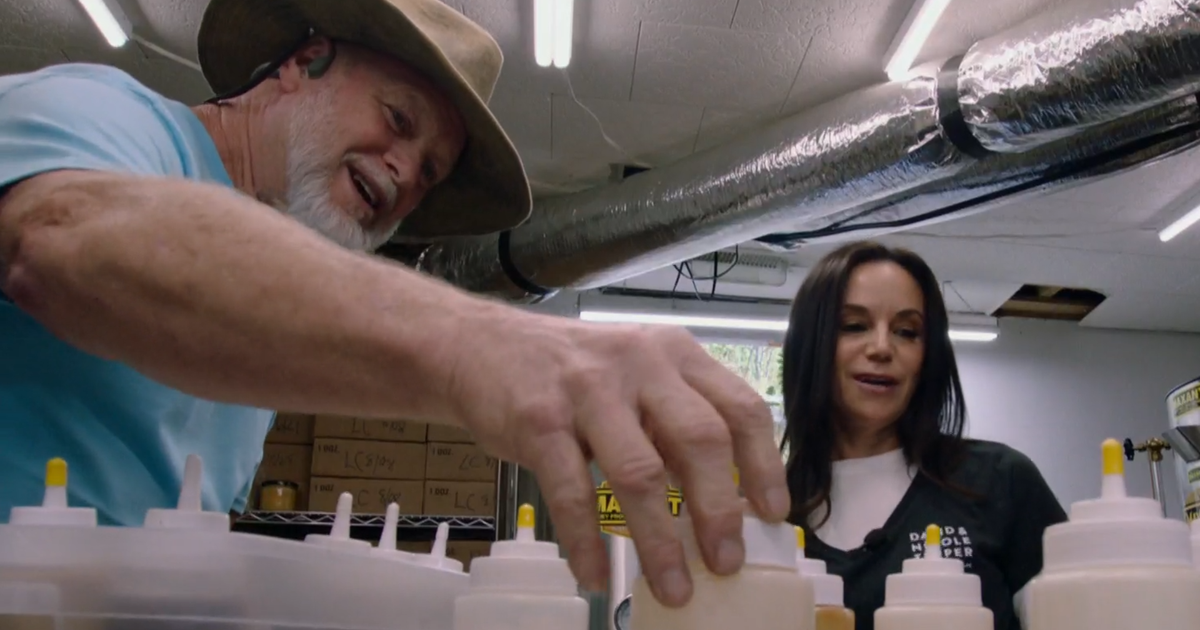
Panthers owners help North Carolina bee farm recover after Hurricane Helene
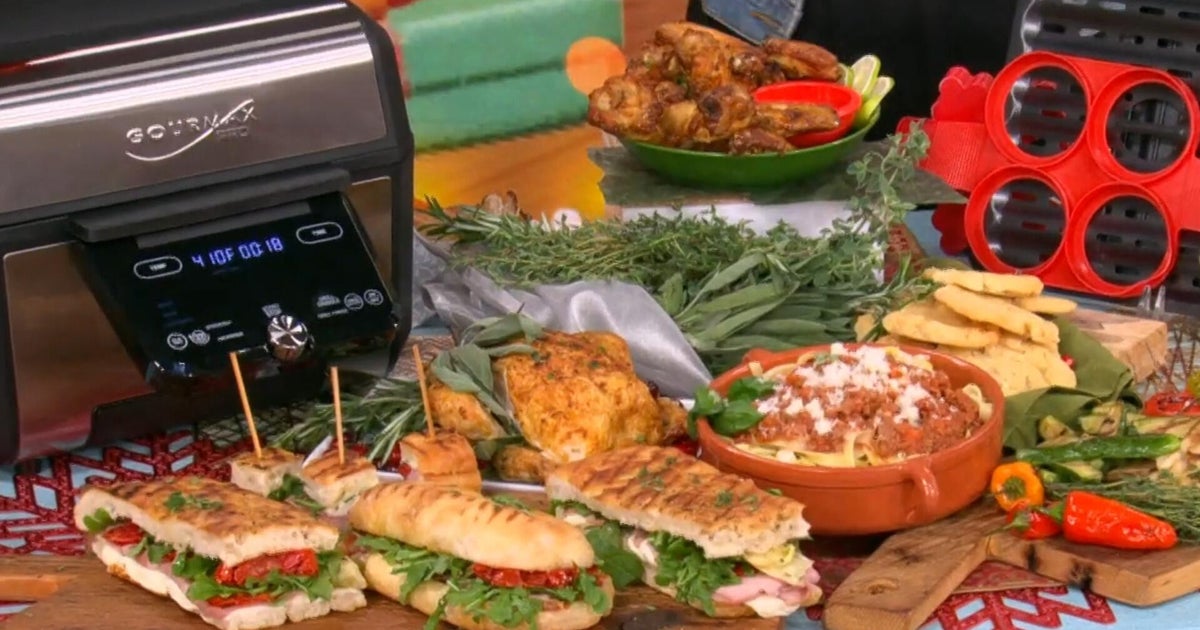
Exclusive discounts from CBS Mornings Deals
On this edition of CBS Mornings Deals, we feature some gift ideas you'll save money on. Visit cbsdeals.com to take advantage of these exclusive deals today. CBS earns commissions on purchases made through cbsdeals.com.