
Le Journal

The Surveillance State Is Making A Naughty List - And You're On It
The Surveillance State Is Making A Naughty List - And You're On It Authored by John & Nisha Whitehead via The Rutherford Institute, “He sees you when you’re sleeping. He knows when you’re awake. He knows if you’ve been bad or good, So be good for goodness’ sake.” — “Santa Claus Is Coming to Town” For generations, “Santa Claus Is Coming to Town” has been treated as a playful reminder to children to be good because someone, somewhere, is watching. Today, it reads less like a joke and more like a warning. The Surveillance State is making a naughty list, and we’re all on it. Long before Santa’s elves start loading his sleigh with toys for good girls and boys, the government’s surveillance apparatus is already at work—logging your movements, monitoring your messages, tracking your purchases, scanning your face, recording your license plate, and feeding it all into algorithmic systems designed to determine whether you belong on a government watchlist. Unlike Santa’s naughty list, however, the consequences of landing on the government’s “naughty list” are far more severe than a stocking full of coal. They can include heightened surveillance, loss of privacy, travel restrictions, financial scrutiny, police encounters, or being flagged as a potential threat—often without notice, explanation, or recourse. This is not fiction. This is not paranoia. This is the modern surveillance state operating exactly as designed. Santa Claus has long been the benign symbol of omniscient surveillance, a figure who watches, judges, and rewards. His oversight is fleeting, imaginary, and ultimately harmless. The government’s surveillance is none of those things—and never was. What was once dismissed as a joke—“Santa is watching”—has morphed into a chilling reality. Instead of elves, the watchers are data brokers, intelligence agencies, predictive algorithms, and fusion centers. Instead of a naughty-or-nice list, Americans are sorted into databases, risk profiles, and threat assessments—lists that never disappear. The shift is subtle but profound. Innocence is no longer presumed. Everyone is watched. Everyone is scored. Everyone is a potential suspect. This is the surveillance state in action. Today’s surveillance state doesn’t require suspicion, a warrant, or probable cause. It is omnipresent, omniscient, and inescapable. Your smartphone tracks your location. Your car records your movements. License plate readers log when and where you drive. Retail purchases create detailed consumer profiles. Smart speakers listen to everything you say. Home security cameras observe not just your property, but your neighbors, delivery drivers, and anyone who passes by. The government’s appetite for data is insatiable. In a dramatic expansion of surveillance reach, the Transportation Security Administration now shares airline passenger lists with Immigration and Customs Enforcement, enabling ICE to identify and arrest travelers at airports based on immigration status. In one incident, ICE arrested and immediately deported a college student with no criminal record who was flying home to spend Thanksgiving with her family. What was once routine aviation security data has been transformed into an enforcement tool—merging civilian travel records with the machinery of deportation and demonstrating how ordinary movements can be weaponized by the state. Even the most personal acts—like Christmas shopping—are now tracked in real time. Every item you buy, where you buy it, how you pay, and who you buy it for becomes part of a permanent digital record. That data does not stay confined to retailers. It is shared, sold, aggregated, and folded into sprawling surveillance ecosystems that blur the line between corporate data collection and government intelligence. Companies like Palantir specialize in fusing these data streams into comprehensive behavioral profiles, linking financial activity, social media behavior, geolocation data, and government records into a single, searchable…
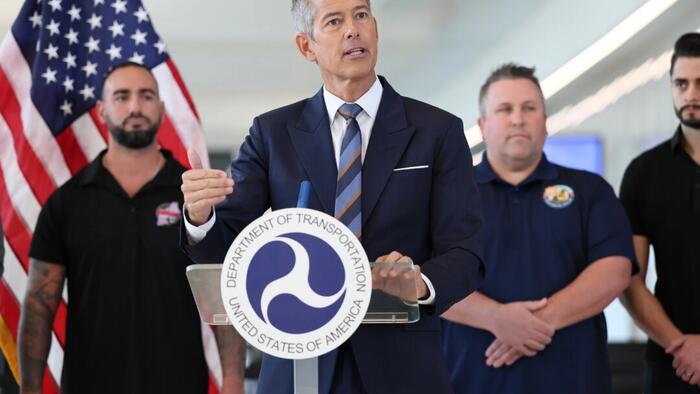
Colorado Faces Federal Funding Cut Over Issuance Of Commercial Driver's Licenses To Illegals
After Decades Of Dismissal, Chronic Lyme Disease Is Now Getting Recognized

3 Ohio tweens steal and crash car, worried Santa won’t come when police confront them
Let's hope they learn their lesson.

Man purchased two domain names back in August anticipating Trump’s move, now he’s planning something the internet is waiting to see
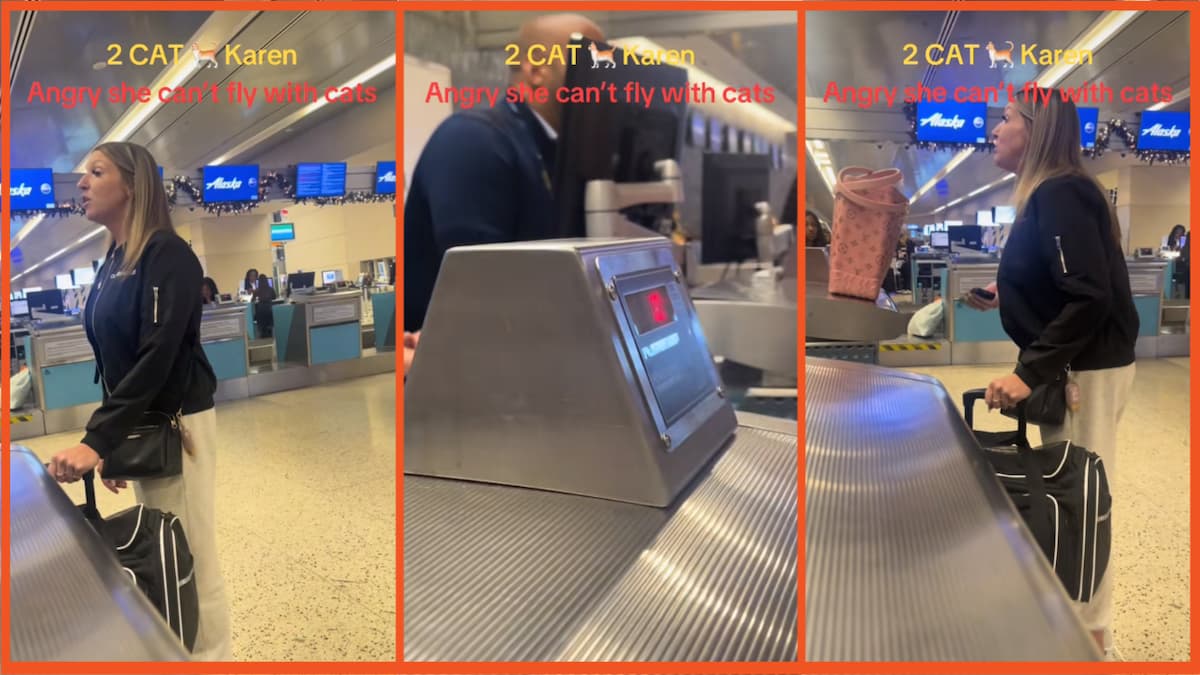
Alaska Airlines passenger labeled ‘Two Cats Karen’ after trying to stash pets under her seat, accuses staff of ‘ruining Christmas’ when they stop her
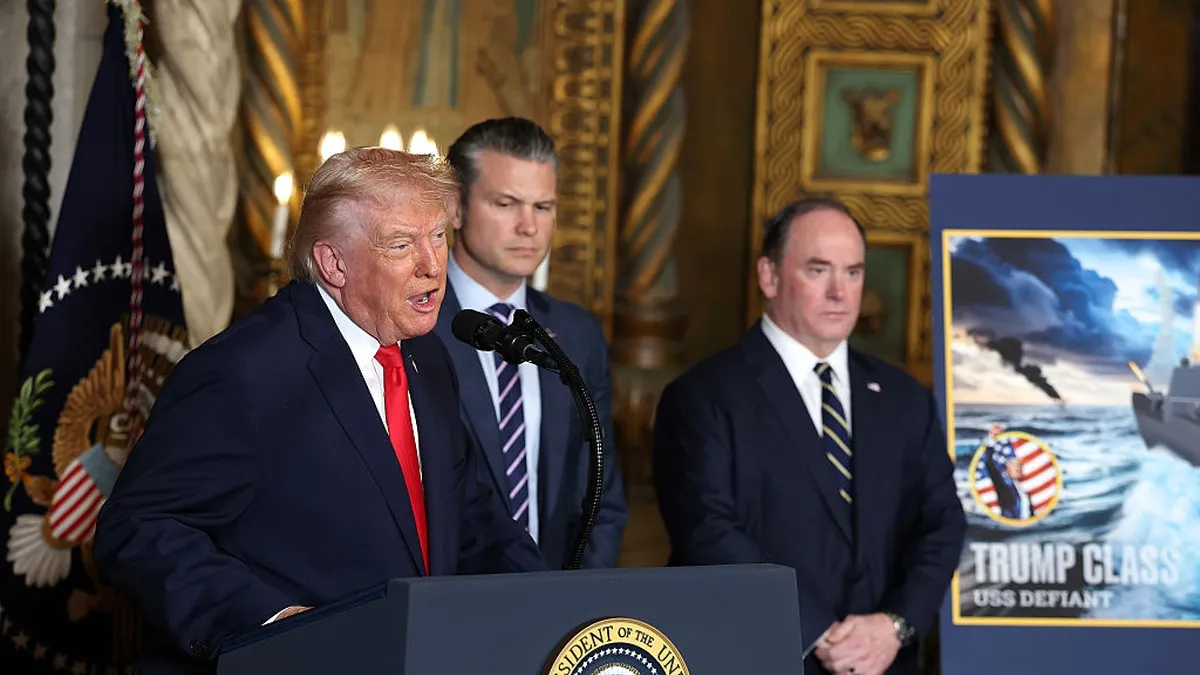
‘100 times more powerful’: Trump announces new class of Navy warships with a shocking twist that breaks military tradition
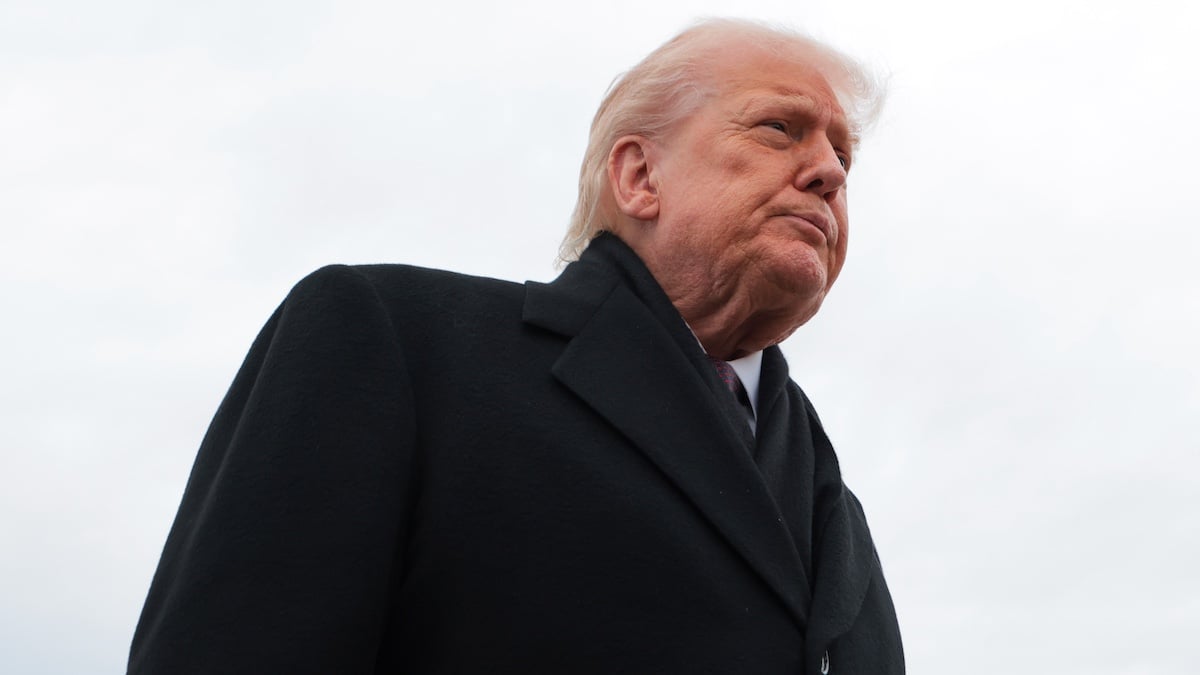
Epstein’s depraved letter to another predator has surfaced, and it could be the one piece of evidence that finally corners Donald Trump
A 1995 sexual assault allegation has also surfaced.
Woman who tried to have her husband killed is dead, and what happened between them after she left prison is hard to believe

Depuis 2024, le circuit de la légitimité politique a «disjoncté»

Dans l’est de la RDC, le M23 et le Rwanda sont plus que jamais en position de force

Chasse aux couvre-chefs à l’hôpital: à l’audience, la laïcité devient «l’éléphant dans la pièce»
Le tribunal administratif de Paris a examiné ce mardi la requête d’une infirmière demandant la suspension de son licenciement par les Hôpitaux de Paris. Si on lui reprochait au départ le port d’un calot pour motif religieux, il n’est désormais plus question que d’hygiène.