Le Journal

France-Fidji : les Bleus s’en sortent sans convaincre

France-Fidji en images
Les plus belles images de la rencontre qui opposait, ce samedi à Bordeaux, le XV de France aux Fidji.

ATP Finals : Carlos Alcaraz domine Félix Auger-Aliassime et rejoint Jannik Sinner en finale

Alcaraz en mode « express » rejoint Sinner pour une fin de saison palpitante

Basket (F) : Après leur défaite à l’Euro, les Bleues prennent leur revanche sur l'Italie
L’équipe de France féminine de basket a pris le dessus face aux Italiennes (66-57) en match amical.

4 PS4 exclusives that proved that art style always trump graphical fidelity
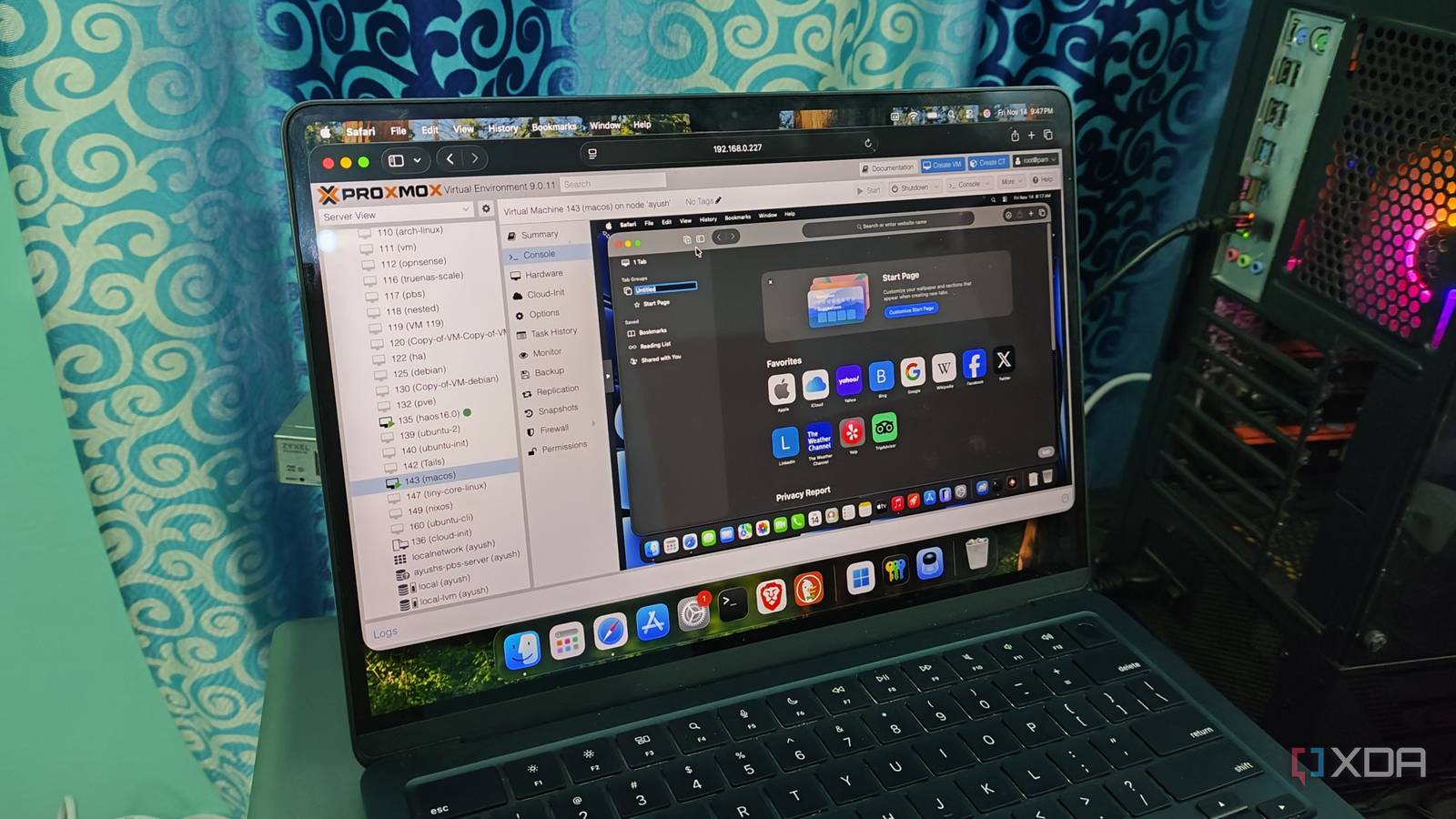
I installed macOS on Proxmox, and it works surprisingly well
4 cases where your RAM may not run at advertised speed
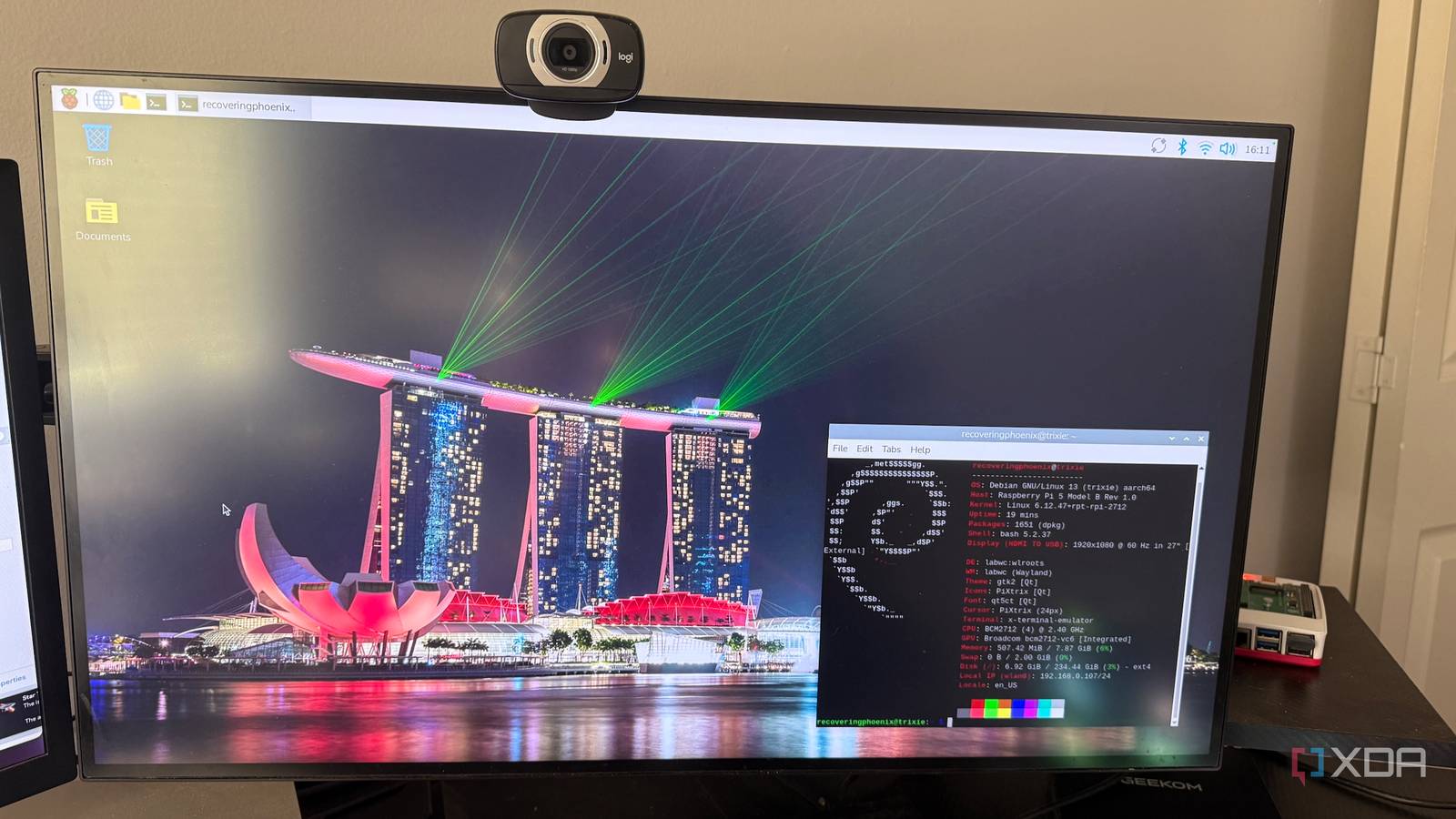
5 USB upgrades that make your Raspberry Pi 5 a better home server
A Raspberry Pi 5 can be a powerful little home server, but it gets even better when you start extending its capabilities with the right USB accessories. These upgrades let you push past the board’s limits and make it feel more like a complete system. They also help you improve reliability while giving you more flexibility to grow your setup over time. If you want a smoother, faster, and more resilient home server, these USB additions can make a noticeable difference.
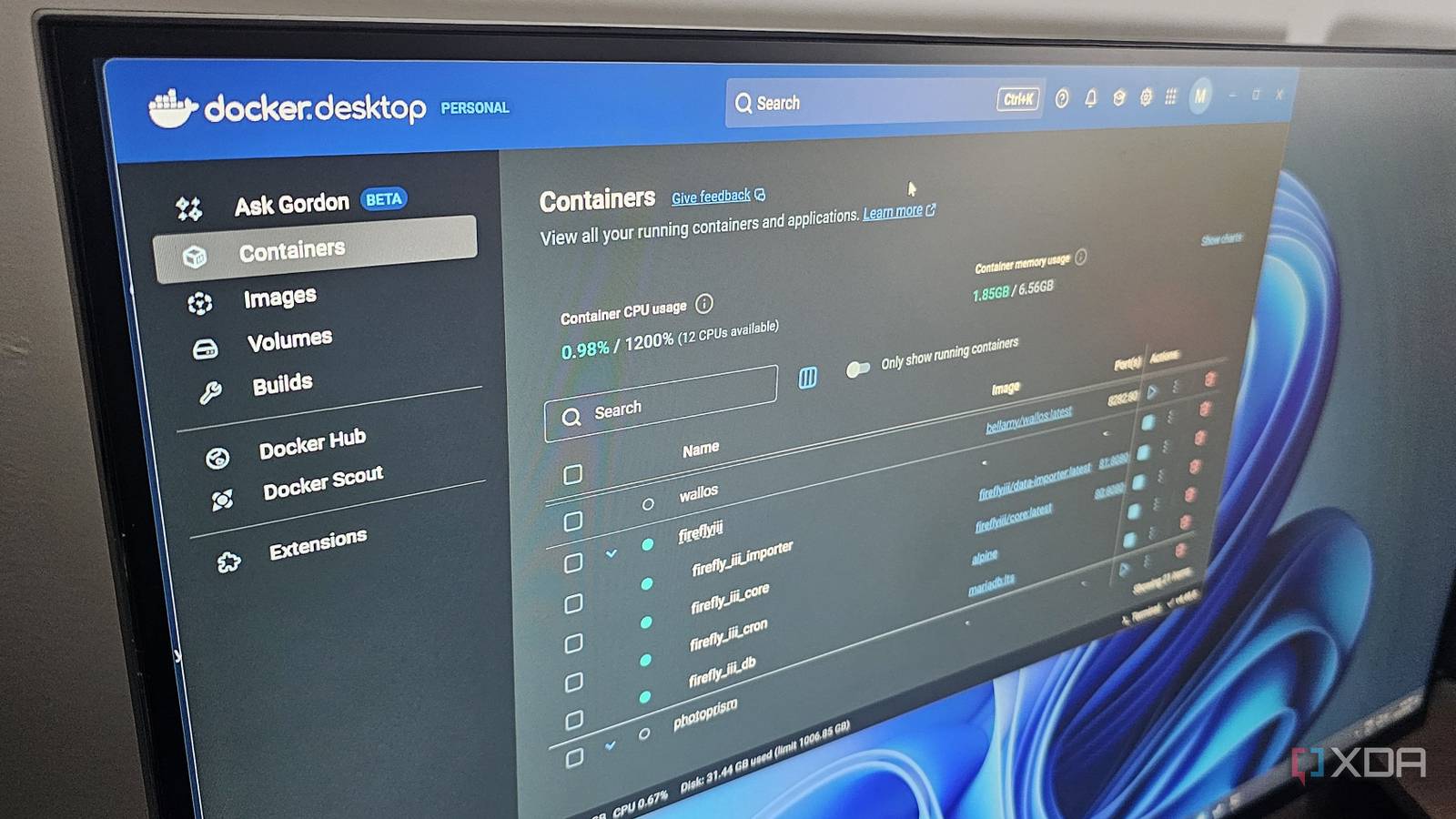
The single best Docker desktop feature that turned me into a power user
For years, Docker Desktop has been the workhorse of modern development. It delivered critical features like reliable Volume Mounts for fast I/O and the simplicity of Docker Compose for spinning up complex environments. However, these powerful tools often demand knowledge of the command line.
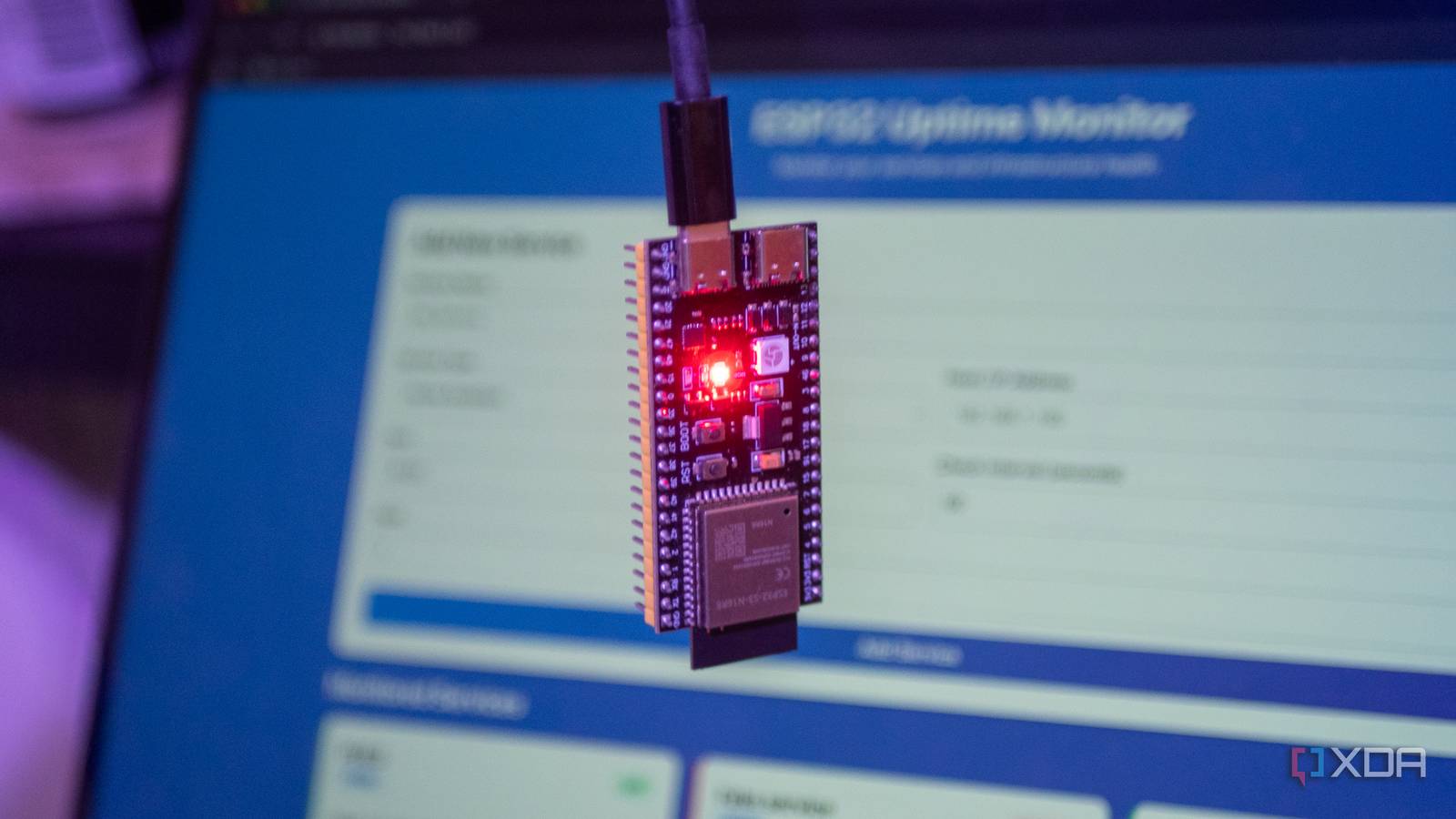
I built a $5 uptime monitor using an ESP32 and it's surprisingly powerful
Uptime Kuma is a fantastic software package that you can use to monitor your self-hosted services, but what if you could build your own monitoring software using an ESP32, instead? The ESP32 uses very little power, but is more than powerful enough to craft HTTP requests, send ICMP packets to query whether a host is responding or not to ping requests, and host a small web server to view the results. As a challenge, I turned my ESP32-S3 into a full-fledged uptime monitoring device, and it works surprisingly well.