
Le Journal
A record number of Americans are anxious about health care costs going into next year
Americans are going into 2026 more anxious about health care costs than at any other point in recent years, a new West Health-Gallup survey finds. Almost half of adults, 47%, say they’re worried they won’t be able to afford health care next year — the highest level since West Health and Gallup began tracking in 2021, the survey published Tuesday found. Concerns about prescription drug costs have climbed steadily, the survey found — rising from 30% in 2021 to 37% in 2025, also the highest level recorded. And the share of adults who say health care costs cause “a lot of stress” in their daily lives has nearly doubled since 2022, rising from 8% to 15%. The survey also found that about 1 in 3 adults reported delaying or skipping medical care over the last year because they couldn’t afford it. The annual survey, conducted in June through August, was based on roughly 20,000 respondents across all 50 states and Washington, D.C., and asked 27 questions about people’s health care experiences. Health care has become a central issue in politics. Senate Democrats’ push to extend enhanced subsidies for the Affordable Care Act led to the longest government shutdown in history. The ACA tax credits, which have protected people from double-digit premium increases, are set to expire Dec. 31. Republicans blocked the effort, and the Trump administration has vowed to “fix Obamacare” but has yet to release a detailed plan. “The survey shows health care affordability isn’t just a political debate, it’s a problem many people are experiencing now,” said Larry Levitt, executive vice president for health policy at KFF, a nonpartisan research group. “Americans have been struggling to keep up with rising health costs generally and health care specifically.” He wasn’t involved in the survey. The survey didn’t touch on the subsidies’ expiring. Nor did it include questions about Medicaid work requirements that will go into effect in 2027. Taken together with the coverage losses that would follow, many people could face even greater challenges paying for health care in the years ahead, said Timothy Lash, president of West Health, a nonpartisan group that researches health care costs and aging. “The urgency around this is real,” Lash said. “When you look at the economic strain that is on families right now, even if health care prices didn’t rise, the costs are rising elsewhere, which only exacerbates the problem.” Lash said every metric in the survey has either held steady or gotten worse. “Americans are saying, ‘Hey, now that I really think about it, I’m paying too much and I’m not getting enough,’” Lash said. “Health care is not what it needs to be right now.” Health care Nov 9 Trump floats giving Americans cash for health care and tariff dividends Health care Oct 26 Is it cheaper to pay for medical care without health insurance? Insurance Feb 22 How rising health care claim denials are hurting Americans Differences across states How people experience health care varied greatly across states. Iowa, Massachusetts, Washington, D.C., and Rhode Island ranked highest for overall health care experiences, particularly in how easily residents can afford, access and get health care when and where they need it. Texas, New Mexico, Nevada and Alaska ranked at the bottom of the list. While 66% of people in Nebraska — which ranked 10th overall — said it’s easy to get the health care they need, just 30% in New Mexico and 31% in Nevada agreed. But even in the top-ranked states, many people still face difficulties, Lash said. About 15% of people in the top 10 states said they’ve been unable to pay for prescription drugs in the past three months, compared with 29% in the bottom 10. About 25% of people in the top 10 states reported skipping recommended lab tests or medical procedures because of the cost over the last year, compared with 40% of people in the bottom 10. Skipping or forgoing medical care was most common in states like Texas (43% reported doing so), Montana (43%)…
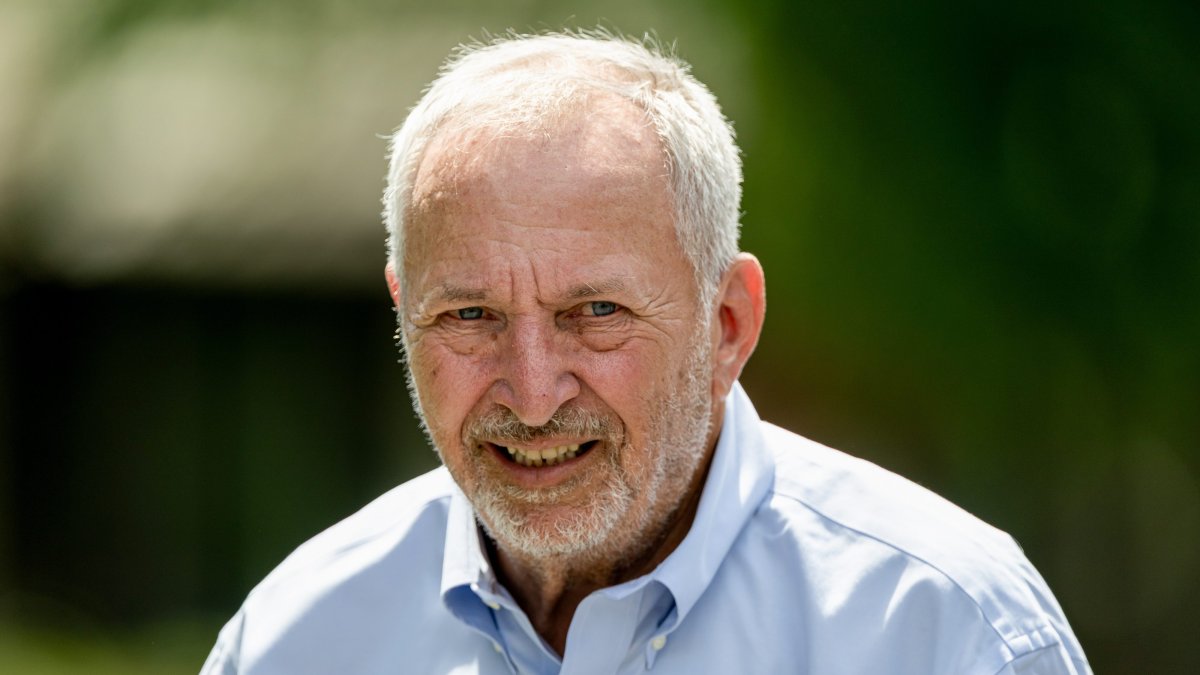
‘I am deeply ashamed': Larry Summers to step back from public commitments after new Epstein emails

Owner badly burned after massive fire at Opa-locka auto shop

Nicki Minaj faces backlash after accepting role in Trump administration
Fans aren't impressed.

Alan Carr finally addresses claim he’ll replace Tess and Claudia on Strictly

Coronation Street star confirms teary final scenes with co-star as he exits after 12 years

Entretien - « Pour être rentable, un véhicule électrique doit rouler » affirme Vincent Schachter, président de Pelikan Mobility

Land trust expands Long Trail corridor protection, creates ‘forever wild’ preserve
The new Journey’s End Wilderness Preserve in Jay, Vermont includes 342 acres of forever wild forests and wetlands at the northern terminus of the Long Trail, about a mile south of the Canadian border. Photo courtesy of the Northeast Wilderness Trust " data-medium-file="https://vtdigger.org/wp-content/uploads/2025/11/Journeys-End-2-300x225.jpg" data-large-file="https://vtdigger.org/wp-content/uploads/2025/11/Journeys-End-2-1200x900.jpg?crop=1" /> The new Journey’s End Wilderness Preserve permanently protects 342 acres adjacent to the Long Trail corridor and Jay State Forest in Vermont. Read the story on VTDigger here: Land trust expands Long Trail corridor protection, creates ‘forever wild’ preserve.

West Rutland’s downtown racks up two dozen more affordable, energy efficient apartment units

Shakeups to central Vermont businesses reveal divided views of Montpelier’s future

Shaping a new path: How one Vermont artist found her calling in radiology

Aave launches retail savings app with up to 9% APY to compete with banks
With higher yields and flexible deposits, Aave’s new app marks a deeper move into the consumer banking terrain as inflation drives demand for better savings tools.