Le Journal
Dylan Efron Reveals His Real First Name

Wayna Pitch dévoile son line-up 2026

Earn 2X points at Fairway Jockey on everyone’s favorite stocking stuffer: golf balls!
For a limited time, when you buy golf balls from Fairway Jockey, you can cash in too, with 2X points on all golf-ball purchases. The post Earn 2X points at Fairway Jockey on everyone’s favorite stocking stuffer: golf balls! appeared first on Golf.

2025 Grant Thornton Invitational Friday TV coverage: How to watch Round 1

This common golf advice is killing your driving accuracy
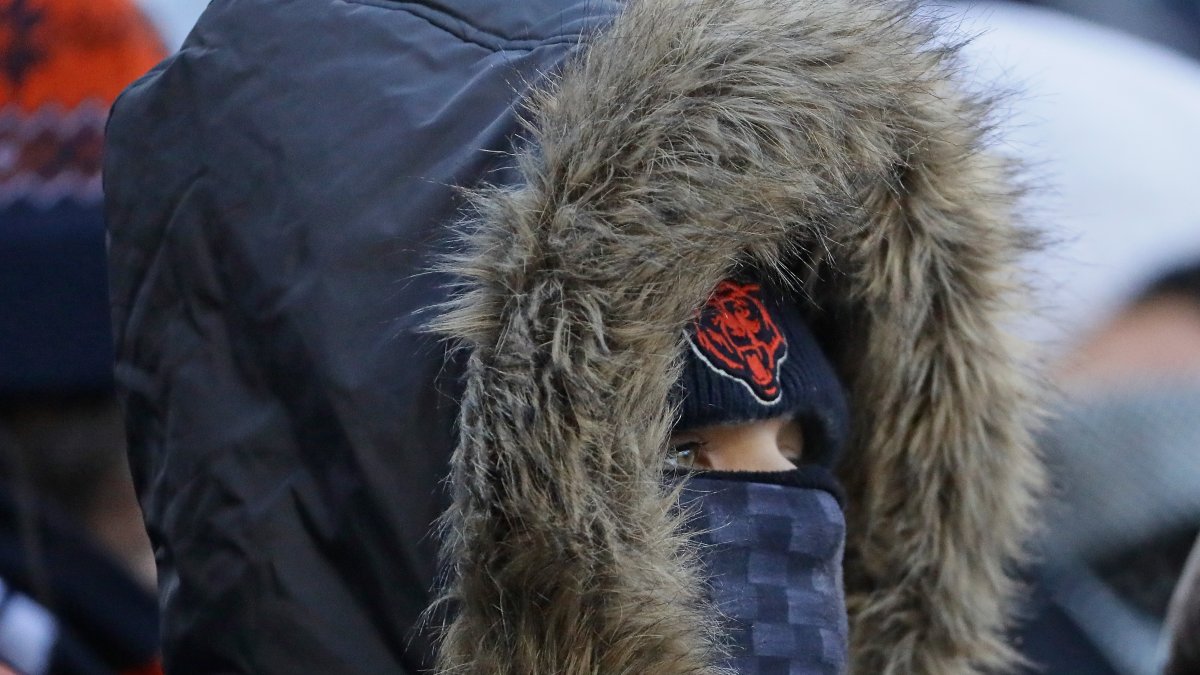
With wind chills of -15 possible, Chicago Bears warn fans to be prepared for Sunday's game
Sunday’s Chicago Bears game against the Cleveland Browns at Soldier Field isn’t just going to be cold — it could feel as low as -15 degrees for the 12 p.m. kickoff, the NBC 5 Storm Team said. And while winter weather may be “part of the authentic Chicago game day experience,” the team warned fans to be prepared. “Forecasters call for frigid temperatures potentially dropping below zero,” the team said in a release. The release went on to say the team was implementing a number of “enhanced game day measures” designed to help keep gamegoers warm from what could be one of the coldest games in history. According to the team, three warming centers at Soldier Field will be activated Sunday: at the Loop Landing behind Section 146, on the Service Level down the southwest tunnel near the Dr. Pepper Patio, and the NW colonnade at the top of the stairs by Gate 31. Battery-operated clothing — like heated vests — can be worn to the game, the Bears said, though they may be subject to additional security screening. Blankets are also allowed at Bears games, but they must either be carried in by hand or in an approved clear bag that meets the stadium’s policy. Cardboard to sit or stand on is not allowed in. Cold beverages like hot chocolate, cider and coffee will be available throughout the stadium, the Bears said, at and fans can order them to their seats. Chili will be sold at select stands, and hand warmers will also be available for purchase at any of the Bears Pro Shops, the team said. Fans were also encouraged to drink water throughout the game to avoid cold-weather dehydration. “While winter weather is part of the authentic Chicago game day experience, fans are encouraged to dress in layers, stay alert to changing conditions and prioritize safety throughout Sunday’s matchup,” the release added. This story uses functionality that may not work in our app. Click here to open the story in your web browser.
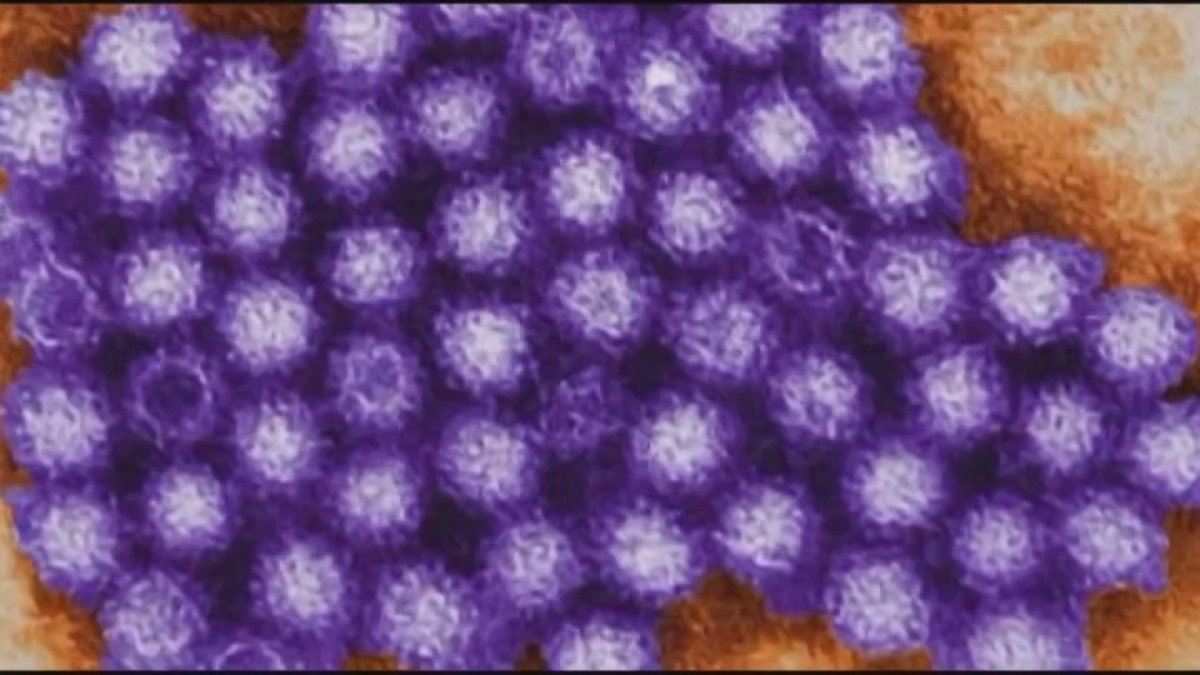
Highly contagious, hard-to-kill stomach virus spreading in Midwest, Illinois
Cases of a highly contagious stomach virus are on the rise in Illinois and the Midwest, and health officials are warning people to take extra precautions as numbers could be even higher than reported heading into the holiday gathering season. What’s more, this virus is particularly hard to kill and many may not even realize they’re spreading it. According to data from the Centers for Disease Control and Prevention, norovirus cases have been climbing nationally, especially in the lead-up to and after the Thanksgiving holiday. The virus, which is particularly hard to kill, is also known as “winter vomiting disease.” But while national numbers have shown early signs of decline in the most recent data from the week of Nov. 29, Midwest numbers continued to climbed. The DuPage County Health Department put out a social media alert to residents Tuesday warning that “cases of norovirus are continuing to increase.” “Norovirus is very contagious, and anyone can get infected and sick,” the health department wrote on Facebook. Dr. Jonathan Martin, an infectious disease physician with Cook County Health, said the rise in cases this time of year is not uncommon, but the virus is not one that is typically tested for and the spread could be even higher than what has already been reported. “That’s one of the viruses that we don’t routinely test for. It is a clinical diagnosis, and it would be rare that someone who is not hospitalized is actually tested for that virus,” he told NBC Chicago. Wastewater data has also shown a spike in cases across parts of Michigan and Indiana, according to WastewaterSCAN. Amanda Bidwell, scientific program manager for the WastewaterSCAN program, told NBC News that norovirus wastewater concentrations have increased nationwide by 69% since October, according to data through Nov. 21. “Right now, we’re in the high category for norovirus at the national level,” she said, noting that rates are high in the Northeast and Midwest region. The CDC reports an average of about 2,500 reported norovirus outbreaks in the United States each year. An outbreak is defined as “two or more similar illnesses resulting from a common exposure that is either suspected or laboratory-confirmed to be caused by norovirus.” What is norovirus? According to the CDC, “norovirus is a very contagious virus that causes vomiting and diarrhea.” It is sometimes referred to as the “stomach flu” or a “stomach bug” or “winter vomiting disease.” The disease is known for spreading quickly and being particularly hard to kill. “It is very hardy,” Martin said. “Because of that … it’s not uncommon for everybody in the household to get this infection.” What are the symptoms of norovirus? “Acute onset” cases often present “pretty typical symptoms” like nausea, vomiting and diarrhea, according to Martin. Symptoms typically develop within 12 to 48 hours after exposure. The CDC notes that while diarrhea, vomiting and nausea are among the “most common,” other symptoms include: Most common symptoms: Diarrhea, vomiting, nausea, stomach pain Other symptoms: Fever, headache, and body aches The virus can be differentiated from other winter viruses because it doesn’t often include symptoms like congestion or cough, Martin said. “The illness usually lasts twenty-four to forty-eight hours. And to differentiate it from infections like COVID or flu, you really don’t have a lot of congestion or cough. So if it’s isolated just to the GI tract, nausea, vomiting and diarrhea, odds are that’s the virus that you’re dealing with,” he said. There’s also the potential for complications associated with the virus, which could require medical attention. “The biggest complication of this virus is dehydration,” Martin said. “So it would be important if you do have this infection, if you are having multiple bouts of these episodes at home, it would be important to keep yourself hydrated. Any amount of fluids that you can keep in your body would be helpful. And if you start to fall behind on…

Illinois to legalize physician-assisted death after Gov. Pritzker signs bill
Gov. JB Pritzker has signed the “Medical Aid in Dying” bill, legalizing physician-assisted death in Illinois, his office announced Friday. The legislation allows certain terminally ill patients to end their lives with a doctor’s help. The law will take effect on Sept. 12, 2026, to allow the Illinois Department of Public Health time to implement processes and protocols outlined in the legislation. There are strict requirements for patients and physicians. “I have been deeply impacted by the stories of Illinoisans or their loved ones that have suffered from a devastating terminal illness, and I have been moved by their dedication to standing up for freedom and choice at the end of life in the midst of personal heartbreak,” Pritzker said in a statement. Eleven other states and Washington D.C. already authorized medical aid in dying, according to the nonprofit Compassion & Choices, which advocates for the expansion of end-of-life care options. The nonprofit said Illinois is the first state in the Midwest to enact the law. Delaware’s law takes effect on Jan. 1, 2026. New York state lawmakers passed legislation earlier this year, and New York Gov. Kathy Hochul must make a decision by the end of 2025. Also called Deb’s Bill, the legislation was inspired by Deb Robertson, a retired Lombard social worker with a rare terminal illness. “Today, I know the end for me could be near. But I’m pleased to have been able to play some role in ensuring that terminally ill Illinoisans have access to medical aid in dying,” Robertson said in a statement. Patients who are at least 18 years old who wish to request medication to end their lives must have a terminal illness. Here are the requirements, according to Pritzker’s office: Two physicians must provide an in-person examination and conclude the patient’s illness will result in death within six months. Doctors must inform the patient about all of their end-of-life care options, including comfort care, hospice, palliative care and pain control. The patient must have the mental capacity, confirmed by their physician, to make medical decisions. If the physician has questions about mental fitness, the patient will be referred to a licensed mental health professional. If the mental health professional determines that the patient does not have mental capacity, the patient will not qualify. The patient must make written and oral requests in order to receive the aid-in-dying medication, among other requirements. Only the patient can make the request. The patient’s written request must be signed by the patient and witnessed by at least two people who attest that the patient has the mental capacity to make the decision. The patient must make the request voluntarily and not be coerced or under duress. The patient must be able to self-administer the medication. The patient has the right to withdraw their request at any time or choose not to ingest it. Disability rights organizations, religious leaders and other opponents held a candlelight vigil outside Pritzker’s Chicago office Thursday evening, ahead of the bill signing, urging the governor to veto the legislation. Groups that do not support the bill believe physician-assisted death is “life-threatening” to people who are vulnerable or disabled at a time when federal legislation threatens to strip Medicaid coverage from hundreds of thousands of people in Illinois. They also believe people with disabilities will feel pressured into choosing the option to die simply because living independently has become unaffordable or inaccessible. “This is an emotional and deeply personal issue for many families, including mine. When my mother passed at home, I know she would have chosen this path to ease our pain, not her own. That’s exactly why strong safeguards matter,” House Minority Leader Tony McCombie said in a statement. “This bill goes too far without the protections Illinois families deserve. Coroners, who will be responsible for determining causes of death,…
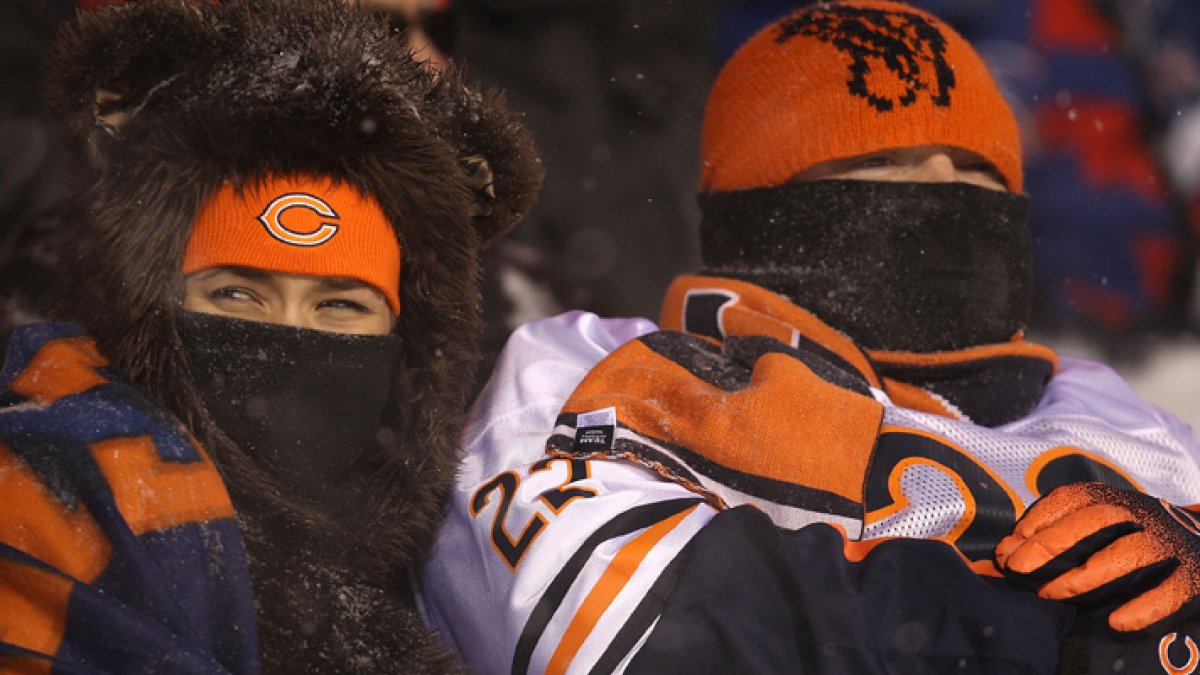
Here comes the cold: Chicago-area weekend wind chills as low as -30 degrees possible

House Democrats release more photos from Jeffrey Epstein's estate
3 arrested in connection with home invasion, robberies in 2 suburbs